Iran's escalating maritime attacks in the Strait of Hormuz have prompted urgent calls for international naval escorts as global energy markets face renewed instability.
Iran's escalating maritime attacks in the Strait of Hormuz have prompted urgent calls for international naval escorts as global energy markets face renewed instability. The strategic waterway, which handles approximately 20% of global oil shipments, has become a flashpoint for regional tensions, with commercial vessels increasingly targeted by Iranian forces.
The Strait of Hormuz, a narrow passage between Iran and Oman, serves as the critical chokepoint for oil exports from Saudi Arabia, Iraq, Kuwait, and the United Arab Emirates. Recent incidents have included drone strikes on merchant vessels, harassment of commercial shipping, and seizures of tankers, forcing major energy companies to reroute shipments and increase insurance costs.
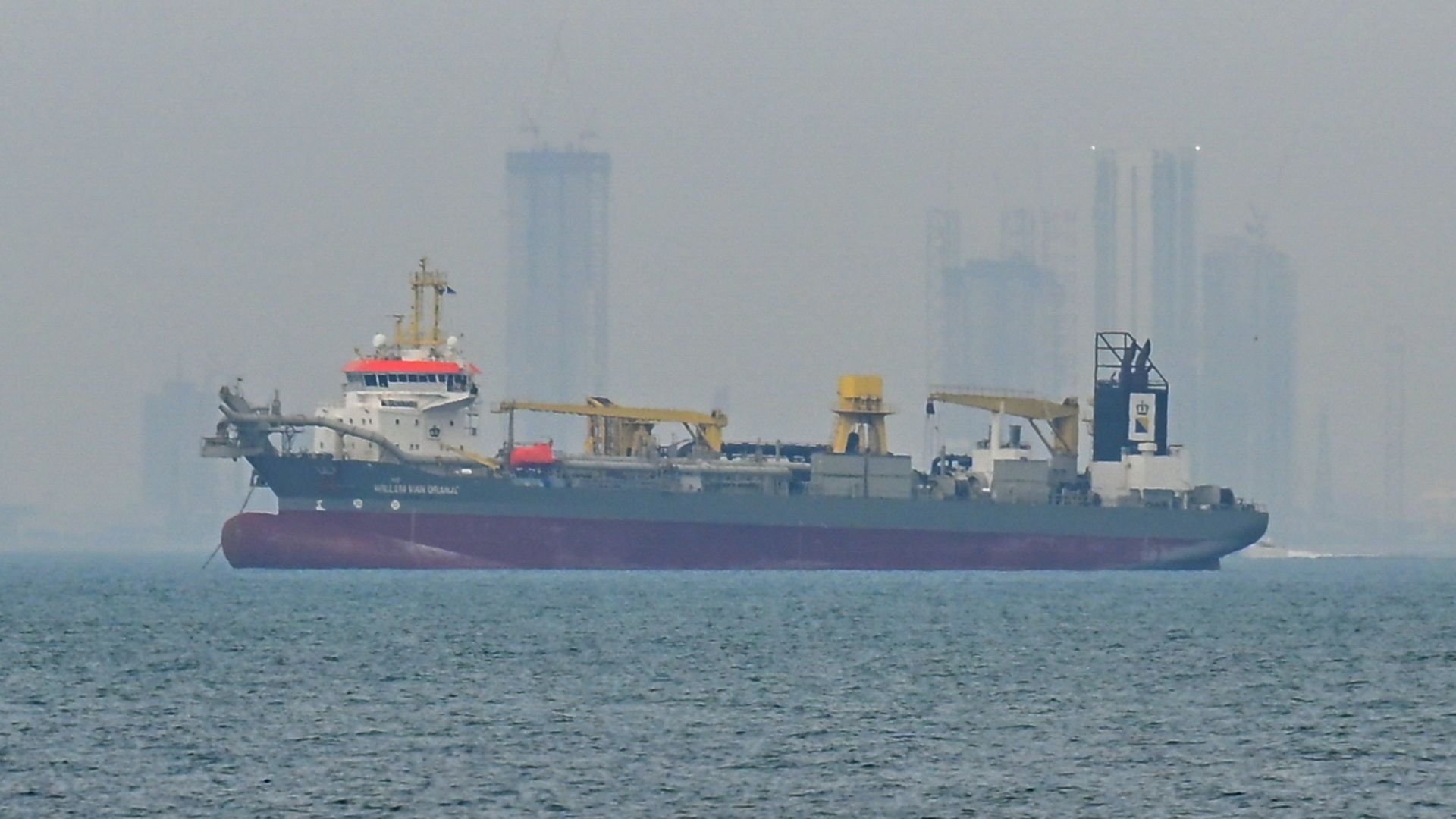
Industry analysts report that shipping rates through the region have surged by 30-40% since the beginning of the year, with insurance premiums for vessels transiting the strait doubling in some cases. The United Kingdom Maritime Trade Operations (UKMTO) has documented a 150% increase in reported security incidents compared to the same period last year.
Major shipping companies including Maersk, Mediterranean Shipping Company (MSC), and Hapag-Lloyd have suspended operations through the strait temporarily, opting for longer routes around Africa's Cape of Good Hope. This rerouting adds approximately 3,500 nautical miles to voyages and increases transit time by 10-14 days, significantly impacting global supply chains.
The United States, United Kingdom, and allied nations have begun discussions about establishing a multinational naval escort coalition similar to the Operation Prosperity Guardian initiative launched in 2023. Under this framework, warships would provide armed protection for commercial vessels, though questions remain about the sustainability of such operations given the scale of maritime traffic through the region.
Energy market analysts warn that sustained disruption could push oil prices above $90 per barrel, with potential spikes reaching $100 if major export facilities are damaged or blocked. The International Energy Agency estimates that a complete closure of the strait would remove 17 million barrels per day from global markets, creating immediate supply shortages and economic shockwaves.
Regional powers have responded with increased military deployments. The U.S. Navy has augmented its Fifth Fleet presence in Bahrain, while the UK has deployed additional Royal Navy vessels to its base in Bahrain. France and Italy have also contributed naval assets to regional security operations.
Iran maintains that its actions are defensive responses to perceived threats, particularly Israeli and U.S. naval activities in the region. Iranian officials have warned that any attempt to establish military escorts for commercial shipping would be viewed as a hostile act, potentially escalating tensions further.
The European Union has called for de-escalation and proposed diplomatic channels to address maritime security concerns, though member states remain divided on the appropriate response. Germany and several northern European nations have expressed reluctance to participate in military escort operations, preferring diplomatic solutions.
For global commerce, the situation represents a significant disruption to established shipping patterns. The strait handles approximately 20.5 million barrels of crude oil and 3.5 billion cubic feet of liquefied natural gas daily. Any sustained disruption affects everything from gasoline prices to manufacturing supply chains, with Asian economies particularly vulnerable given their dependence on Middle Eastern energy imports.
Maritime security experts emphasize that the current situation differs from previous tensions due to the increased sophistication of Iranian naval capabilities, including advanced drones, anti-ship missiles, and naval mines. The potential for miscalculation or accidental escalation remains high, particularly given the narrow confines of the strait and the volume of commercial traffic.
As diplomatic efforts continue, the commercial shipping industry faces difficult decisions about risk management and route planning. The cost of naval escorts, if implemented, would likely be passed on to consumers through higher energy and goods prices, creating economic ripple effects far beyond the Middle East.
The coming weeks will prove critical in determining whether diplomatic solutions can restore stability to one of the world's most vital maritime passages, or whether military escorts become a permanent feature of global energy transportation.
Comments
Please log in or register to join the discussion