
Iranian missile strikes have caused major disruptions to AWS data centers in Bahrain and Dubai, with multiple zones declared "hard down" and services completely unavailable. The attacks are part of escalating regional tensions that threaten global semiconductor supply chains.
Iranian missile strikes have caused major disruptions to AWS data centers in Bahrain and Dubai, with multiple zones declared "hard down" and services completely unavailable. The attacks are part of escalating regional tensions that threaten global semiconductor supply chains.
According to reports from Big Technology, AWS issued an internal memo stating that operations in the two data centers have been disrupted and that the company is working to migrate affected clients' workloads to other regions. The Islamic Revolutionary Guard Corps (IRGC) has conducted strikes against AWS sites in the Middle East since the start of the war in early March.
"Hard Down" Status for Multiple Zones
The AWS sites in the Middle East each have three compute zones, with both data centers reporting "hard down" and "impaired but functioning" zones. In its internal communications, AWS stated: "These two regions continue to be impaired, and services should not expect to be operating with normal levels of redundancy and resiliency."
The company is actively working to free and reserve as much capacity as possible in the region for customers, advising services to scale to the minimal footprint required to support customer migration. Most concerning is AWS's admission that "We do not have a timeline for when DXB and BAH will return to normal operations."
Broader Tech Industry Impact
Amazon isn't the only tech company that the ongoing conflict between the United States and Iran has directly hit. The Middle Eastern country has threatened to strike Nvidia, Microsoft, and others as early as the second week of March, after the alleged targeting of a Tehran bank that killed several employees. It has reiterated the threat at the start of April and even struck an Oracle data center later that week.
Semiconductor Supply Chain Disruption
While damage to data centers in the Middle East is concerning for the region, the global tech industry has bigger concerns. The regional war has disrupted the flow of oil and its derivatives, especially those that go through the Strait of Hormuz. These include aluminum, helium, and LNG — all of which are crucial in the semiconductor supply chain.
Even if the war ends today, the damage to infrastructure could mean it takes months or even years for supplies to return to pre-war levels. This disruption comes at a time when the semiconductor industry is already facing significant challenges with capacity constraints and supply chain bottlenecks.
The attacks highlight the vulnerability of critical infrastructure in geopolitically sensitive regions and the potential for regional conflicts to have global ripple effects on technology services and supply chains. As AI and data center buildouts continue to accelerate worldwide, the stability of these regions becomes increasingly important for maintaining global tech operations.
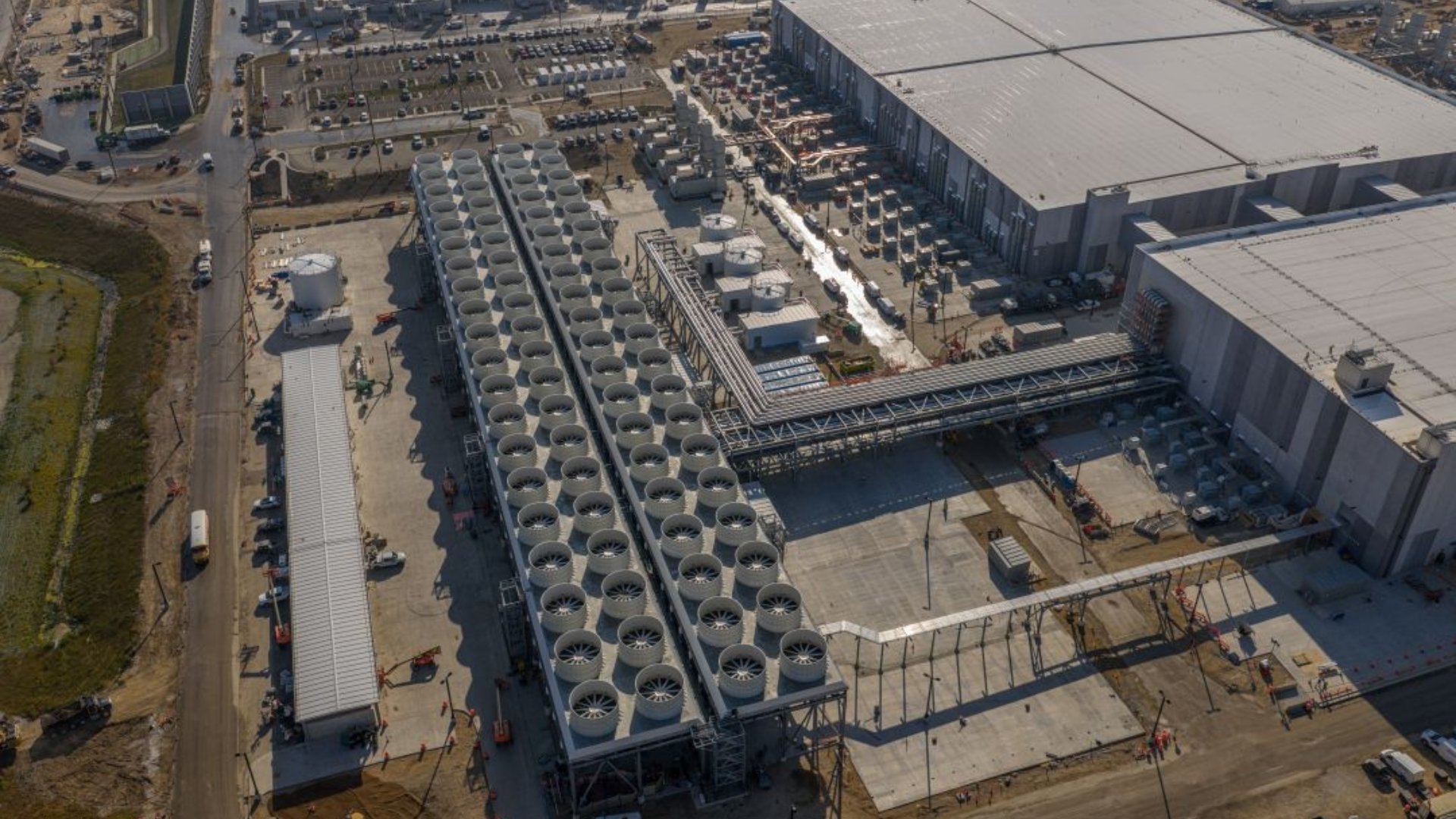
The situation underscores the interconnected nature of modern technology infrastructure, where conflicts in one region can have cascading effects on cloud services, semiconductor manufacturing, and ultimately the availability of consumer electronics and computing devices worldwide.
Comments
Please log in or register to join the discussion