
Israel faces unprecedented Democratic opposition in Congress as the Iran conflict deepens, marking a historic shift in US-Israel relations.
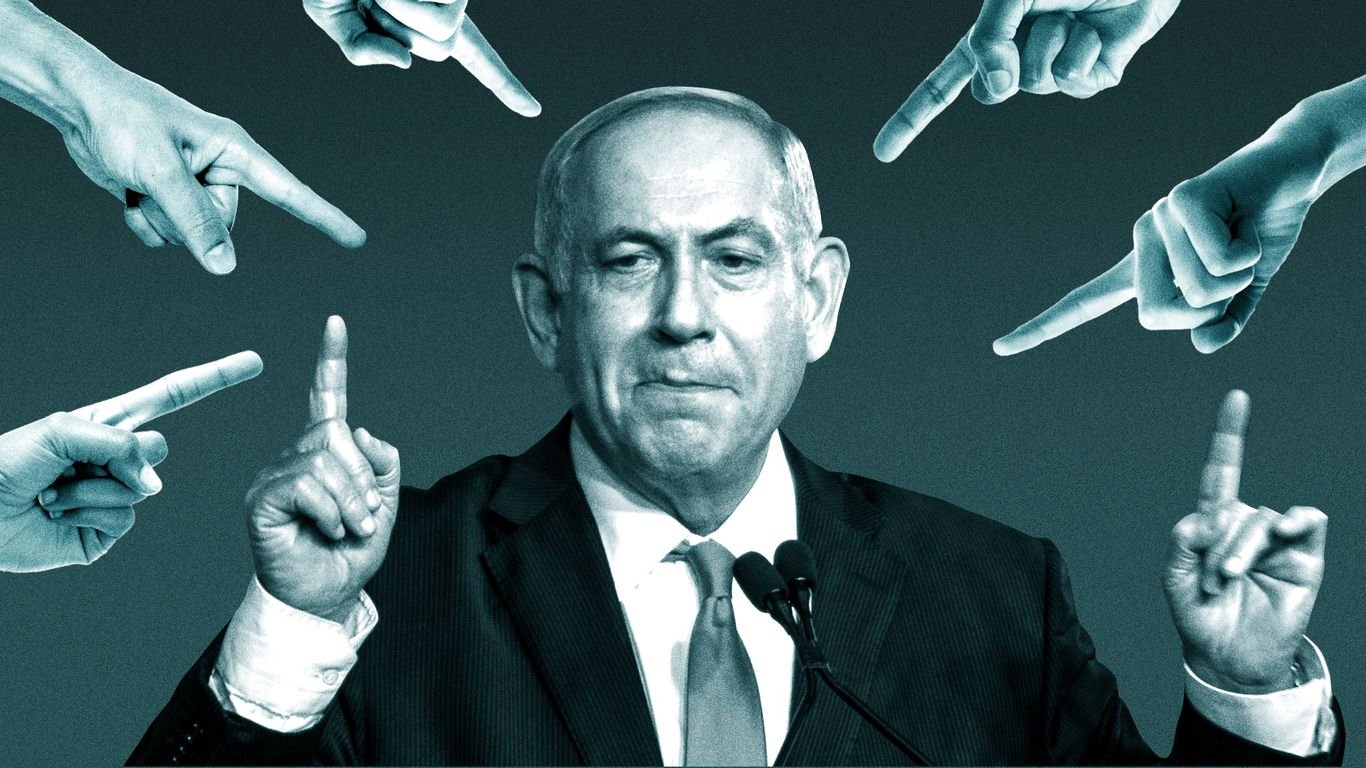
Israel's war with Iran has triggered a seismic shift in US congressional support, with Democratic lawmakers increasingly breaking ranks with the traditional bipartisan consensus on Israel. This marks a historic low point in Israel's relationship with Congress, particularly among Democrats who have long been the party's staunchest supporters of the US-Israel alliance.
The Breaking Point
The current conflict has exposed deep fissures within the Democratic Party over Israel policy. While Republicans have maintained near-unanimous support for Israel's military actions, Democratic lawmakers are increasingly voicing criticism of Israeli tactics and calling for restraint. This divergence represents a fundamental realignment in US foreign policy that could have lasting implications for the Middle East.
Numbers Tell the Story
Recent votes on military aid to Israel have revealed the extent of Democratic defections. In the House, nearly 100 Democrats voted against or abstained from supporting additional military assistance to Israel, a stark contrast to previous conflicts where Democratic support remained above 80%. The Senate has seen similar patterns, with key Democratic committee chairs expressing reservations about unconditional support for Israeli military operations.
What's Driving the Shift
Several factors are contributing to this realignment:
Generational Change: Younger Democratic lawmakers, who came of age during the Iraq War and the Palestinian intifadas, hold significantly different views on Middle East policy than their predecessors.
Progressive Pressure: The growing influence of progressive Democrats has pushed the party toward a more critical stance on Israeli policies, particularly regarding Palestinian rights.
Domestic Politics: With the 2024 election approaching, some Democrats are recalibrating their positions to appeal to younger, more diverse voters who are less supportive of traditional US-Israel policy.
The Iran Factor
The current conflict with Iran has intensified these divisions. While Israel views Iran as an existential threat requiring decisive action, many Democrats worry about the broader regional implications of an expanded conflict. This has led to increased calls for diplomatic solutions and concerns about being drawn into another Middle East war.
Strategic Implications
This shift in congressional support has significant consequences for US foreign policy:
Military Aid: Future military assistance to Israel may face more scrutiny and conditions, potentially affecting Israel's strategic calculations.
Diplomatic Leverage: The US may have less influence over Israeli decision-making if Israel perceives declining American support.
Regional Stability: The weakening of the US-Israel alliance could alter the balance of power in the Middle East, potentially emboldening Iran and its proxies.
The Road Ahead
As the conflict continues, the pressure on Democratic lawmakers is likely to intensify. Key considerations include:
Election Year Politics: How Democratic candidates balance traditional support for Israel with growing progressive demands for a more even-handed approach.
Military Strategy: Whether Israel's military actions in response to Iranian threats will further erode Democratic support.
Diplomatic Efforts: The potential for renewed peace talks and whether the US can play a constructive role amid partisan divisions.
Historical Context
This moment represents a dramatic departure from decades of bipartisan support for Israel. Since the 1967 Six-Day War, Israel has enjoyed consistent backing from both parties in Congress. The current rift suggests a fundamental restructuring of US Middle East policy that could persist regardless of which party controls Washington.
Looking Forward
The long-term implications of this shift remain uncertain. While Israel still maintains strong support from Republicans and many Democrats, the erosion of the bipartisan consensus could fundamentally alter the US-Israel relationship. As the Iran conflict continues to evolve, the pressure on both countries to find common ground while respecting domestic political realities will only increase.
What This Means for Tech and Business
The geopolitical realignment could have ripple effects across multiple sectors:
Defense Industry: Companies may need to diversify their portfolios as US military aid priorities shift.
Cybersecurity: Increased focus on protecting critical infrastructure from Iranian cyber threats.
Energy Markets: Potential volatility in oil prices affecting tech companies' operational costs.
International Business: Companies operating in the region may need to reassess their risk exposure and strategic planning.
The coming months will be crucial in determining whether this represents a temporary realignment or a permanent shift in US-Israel relations. As both countries navigate this challenging period, the business and tech communities will need to adapt to a new geopolitical reality that may significantly impact their operations and strategic planning.
Comments
Please log in or register to join the discussion