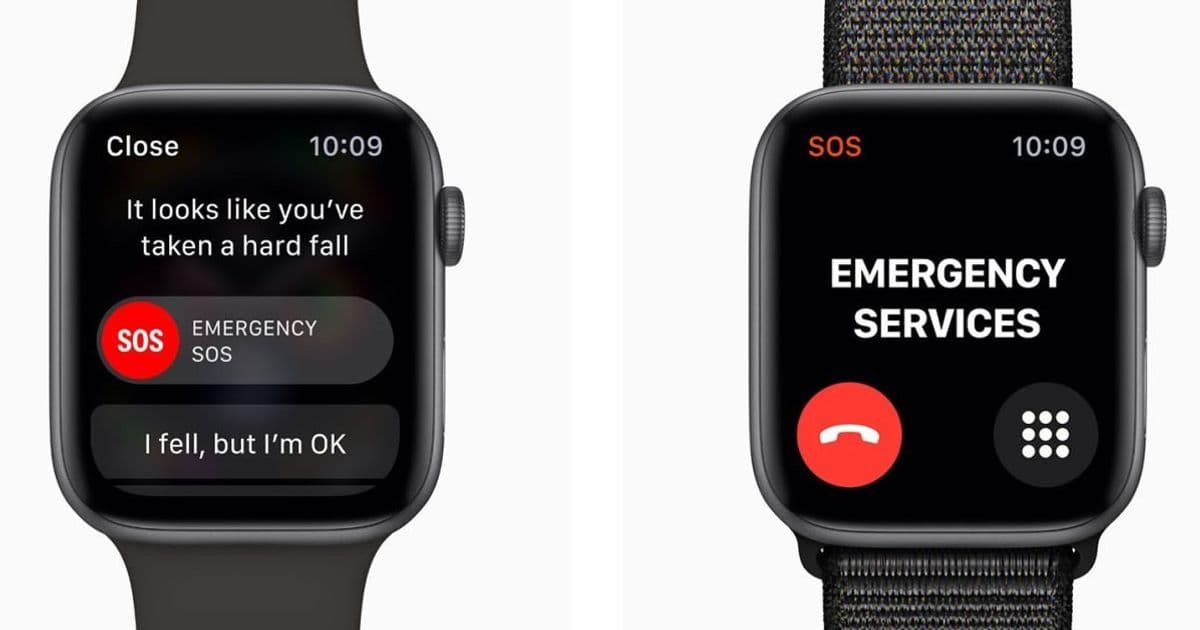
The International Trade Commission has launched a patent investigation targeting Apple Watch, Samsung, Google, and Garmin smartwatches over fall detection technology, with a Texas-based company seeking import bans that could disrupt the wearable market.
The International Trade Commission (ITC) has initiated a new patent investigation that could have significant implications for the smartwatch industry, targeting not just Apple Watch but also devices from Samsung, Google, and Garmin. The investigation stems from a complaint filed by UnaliWear, a Texas-based company, alleging that multiple wearable devices infringe on patents covering fall detection technology.
The Investigation Details
According to the ITC's Notice of Institution of Investigation, UnaliWear alleges violations of section 337 based on the importation, sale for importation, and sale within the United States of certain wearable devices with fall detection capabilities. The complaint specifically cites infringement of two U.S. patents: Patent No. 10,051,410 ("the '410 patent") and Patent No. 10,687,193 ("the '193 patent").
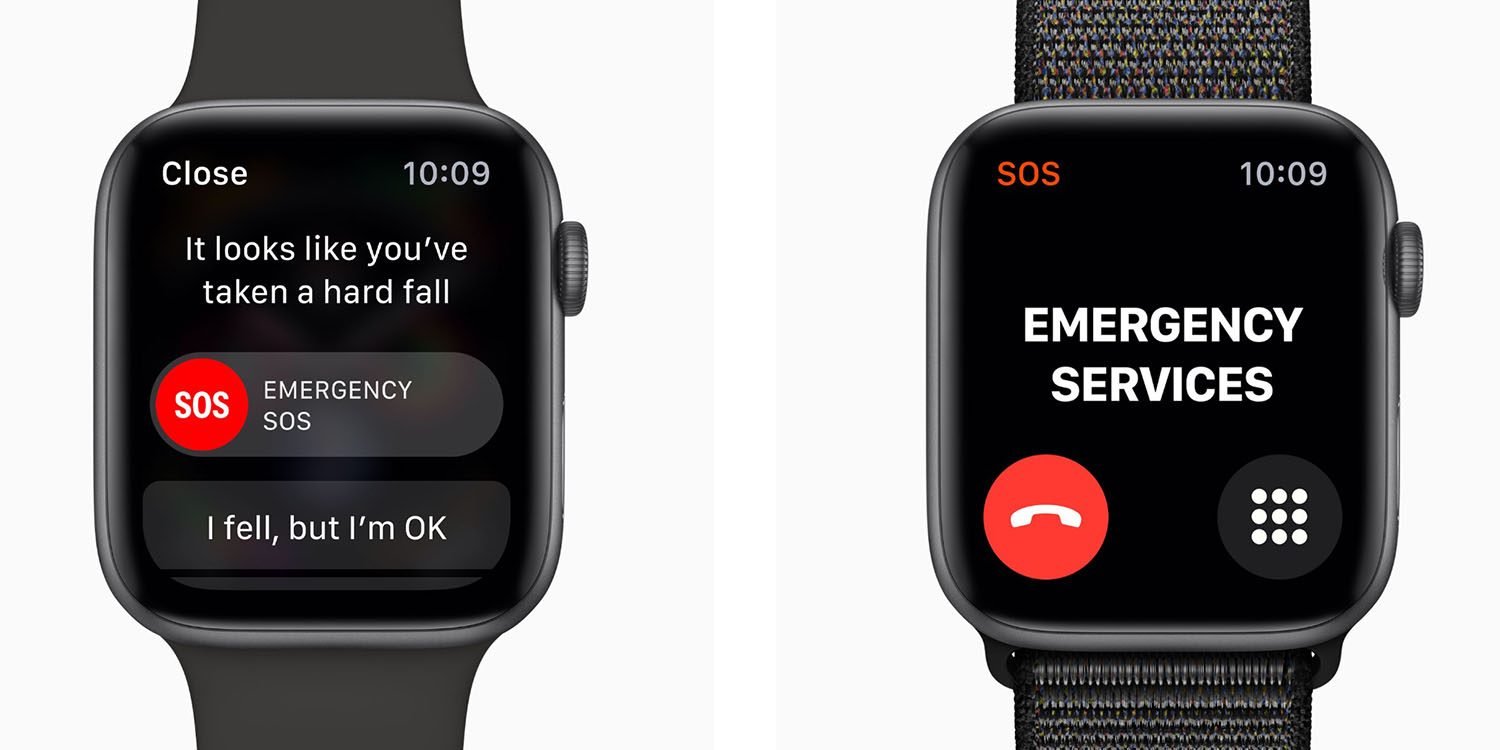
The investigation isn't limited to Apple's ecosystem. The complaint explicitly targets "electronic watches with the capability to detect when a user has suffered a fall, and components thereof," which encompasses a broad range of modern smartwatches. This means the investigation could affect:
- Apple Watch Series (all models with fall detection)
- Samsung Galaxy Watch series
- Google Pixel Watch
- Garmin's smartwatch lineup with fall detection
- Other wearables with similar capabilities
What UnaliWear is Seeking
UnaliWear is requesting two key remedies from the ITC:
- Limited Exclusion Order: This would ban the importation of accused devices into the United States
- Cease and Desist Orders: These would prohibit the sale of infringing devices already present in the U.S. market
If successful, this could result in a scenario similar to the Apple Watch import ban imposed during the Masimo blood oxygen monitoring dispute. That case led to Apple temporarily removing blood oxygen monitoring from Apple Watch Series 9 and Ultra 2 in the U.S. before finding a workaround.
The 20-Day Response Window
The ITC has given respondents 20 days to file a response to the complaint. The agency's documentation clearly states that failure to respond could result in a default judgment:
"Failure of a respondent to file a timely response to each allegation in the complaint and in this notice may be deemed to constitute a waiver of the right to appear and contest the allegations... and may result in the issuance of an exclusion order or a cease and desist order or both directed against the respondent."
This creates a tight timeline for legal teams at Apple, Samsung, Google, and Garmin to prepare their defense strategies.
Context: Apple's Ongoing Patent Challenges
This investigation marks the latest in a series of patent disputes affecting the Apple Watch. As noted in the original report, Apple has faced multiple patent challenges related to health and medical features in recent years:
- AliveCor dispute: Centered on ECG technology
- Masimo dispute: Focused on blood oxygen monitoring, which led to a temporary U.S. import ban
The Masimo case is particularly instructive for developers and manufacturers. Apple was able to reverse the ban through a combination of legal maneuvering and technical workarounds, but the dispute remains ongoing. This precedent suggests that even if UnaliWear succeeds initially, Apple and other manufacturers may have paths to continue sales while litigation continues.
Technical Implications for Developers
For mobile developers working on wearable apps and platforms, this investigation highlights several important considerations:
1. Patent Landscape Awareness
Developers building health and safety features for wearables need to be aware of the patent landscape. Fall detection isn't just a software feature—it involves specific algorithms, sensor fusion techniques, and hardware configurations that may be patented.
2. Cross-Platform Development Challenges
If specific fall detection implementations are found to infringe, developers building cross-platform wearable apps may need to:
- Implement platform-specific workarounds
- Adjust algorithms to avoid patented methods
- Consider alternative detection approaches
- Monitor legal developments that could affect API availability
3. Platform Requirements and SDK Considerations
Apple's HealthKit and Google's Health Connect provide APIs for fall detection, but the underlying implementation may be subject to patent claims. Developers should:
- Review platform documentation for any patent-related disclaimers
- Consider the legal implications of using platform-provided fall detection APIs
- Evaluate whether custom implementations might be necessary
The Broader Wearable Ecosystem Impact
This investigation extends beyond just the major players. It affects the entire wearable ecosystem:
Smartwatch Manufacturers
- Apple: Must defend its fall detection implementation across all Apple Watch models
- Samsung: Galaxy Watch series with fall detection capabilities are implicated
- Google: Pixel Watch and potentially Wear OS devices with fall detection
- Garmin: Popular fitness smartwatches with safety features
App Developers
Developers creating health and safety apps for these platforms may need to:
- Monitor legal developments that could affect API availability
- Prepare contingency plans for feature restrictions
- Consider alternative safety features that don't rely on patented methods
Enterprise and Healthcare Applications
Many organizations use smartwatches for employee safety and patient monitoring. A potential import ban could disrupt:
- Corporate wellness programs
- Remote patient monitoring initiatives
- Elderly care and assisted living applications
Historical Precedent: The Masimo Case
The Masimo dispute provides a roadmap for what might happen next. That case followed this pattern:
- ITC investigation initiated
- Initial determination finding infringement
- Exclusion order issued
- Apple implemented workarounds
- Ban was temporarily lifted
- Ongoing litigation continues
For developers, the key takeaway from Masimo was that Apple was able to continue sales by modifying the blood oxygen monitoring feature. This suggests that even if UnaliWear succeeds, manufacturers may find technical workarounds to maintain market presence.
What Developers Should Watch
Immediate Actions (Next 20 Days)
- Monitor ITC filings for respondent responses
- Watch for any preliminary injunctions or temporary restrictions
- Review current app dependencies on fall detection APIs
Medium-Term Considerations (Next 3-6 Months)
- Track ITC investigation timeline and potential initial determinations
- Evaluate alternative safety features for wearable apps
- Consider implementing platform-agnostic safety features
Long-Term Strategy
- Monitor patent landscape for fall detection and related health features
- Consider diversifying safety features beyond fall detection
- Stay informed about cross-platform development implications
The Technical Reality of Fall Detection
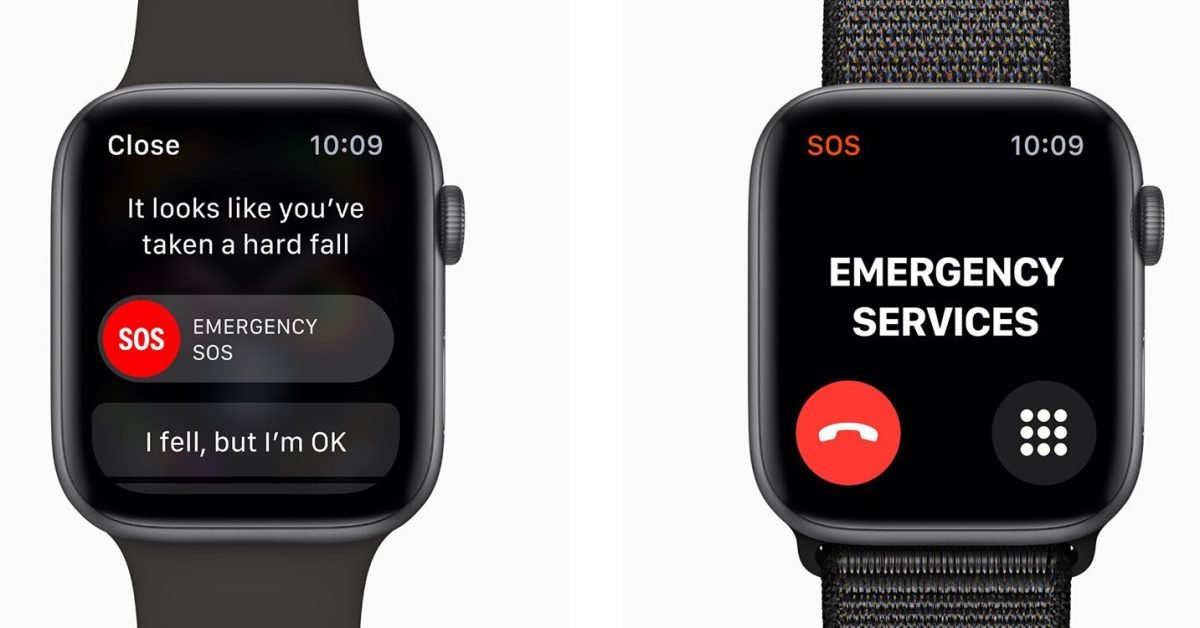
Understanding what's at stake requires examining how fall detection actually works in modern smartwatches. The technology typically involves:
Sensor Fusion
- Accelerometers detecting sudden changes in motion
- Gyroscopes measuring orientation changes
- Barometers detecting altitude changes (for stair falls)
- GPS for location context
Algorithm Implementation
- Machine learning models trained on fall patterns
- Threshold-based detection algorithms
- False positive reduction through contextual analysis
- Heart rate monitoring integration for post-fall assessment
User Experience Considerations
- Automatic emergency calling
- Fall history logging
- Integration with emergency contacts
- Privacy-preserving data handling
The specific implementation details—how sensor data is processed, what thresholds are used, how false positives are filtered—are where patent claims typically focus.
Cross-Platform Development Implications
For developers building apps that work across multiple wearable platforms, this investigation creates uncertainty:
API Availability
If specific fall detection implementations are restricted, platform APIs may change:
- Apple HealthKit fall detection API could be modified
- Google Health Connect might need updates
- Platform-specific workarounds may become necessary
Feature Parity Challenges
Maintaining consistent user experiences across platforms becomes more complex if:
- One platform removes fall detection while others retain it
- Different platforms implement different technical approaches
- Legal restrictions vary by region
Testing and Validation
Developers may need to:
- Test apps under multiple legal scenarios
- Implement feature flags for fall detection
- Create fallback safety features
The Legal Timeline
Understanding the investigation timeline helps developers plan:
- Response Period: 20 days for respondents to file initial responses
- Investigation Phase: ITC will investigate patent claims and alleged infringement
- Initial Determination: Administrative law judge will make preliminary findings
- Commission Review: ITC commissioners will review the determination
- Remedy Phase: If infringement is found, remedies will be determined
This process typically takes 12-18 months, but emergency actions could come sooner.
What This Means for Mobile Development
For iOS Developers
- Monitor Apple's developer documentation for any changes to HealthKit fall detection APIs
- Consider implementing custom fall detection as a contingency
- Review app store guidelines for any updates related to health features
For Android/Wear OS Developers
- Watch for updates to Google's health platform APIs
- Evaluate alternative safety features that don't rely on patented methods
- Consider platform-specific implementations
For Cross-Platform Developers (React Native, Flutter, etc.)
- Implement abstraction layers for safety features
- Prepare for platform-specific feature availability
- Consider third-party libraries that might be affected
The Business Impact
Beyond the technical considerations, this investigation could affect:
Market Dynamics
- Potential temporary removal of fall detection from major smartwatches
- Competitive advantages for manufacturers with alternative implementations
- Consumer confusion and potential market disruption
Innovation Incentives
- Patent disputes can both protect innovation and stifle it
- The outcome may influence future R&D investment in health features
- Smaller players may face barriers to entry
Regulatory Landscape
- Increased scrutiny of health features in wearables
- Potential for more patent litigation in the health tech space
- Evolution of ITC's role in tech patent disputes
Developer Action Items
Immediate (This Week)
- Document current use of fall detection in your apps
- Review platform-specific implementation details
- Monitor ITC case updates
Short-term (Next Month)
- Evaluate alternative safety features
- Test apps with potential fall detection restrictions
- Update app documentation to note potential feature changes
Medium-term (Next Quarter)
- Implement feature flags for fall detection
- Develop fallback safety features
- Create contingency plans for platform API changes
The Bigger Picture
This investigation represents more than just another patent dispute. It highlights:
- The increasing complexity of health tech patents as wearables become more sophisticated
- The global nature of patent disputes affecting multiple manufacturers simultaneously
- The challenge of balancing innovation with intellectual property protection
- The need for developers to stay informed about legal developments that affect their platforms
Conclusion
The ITC investigation into Apple Watch and competitor fall detection patents creates uncertainty for the entire wearable ecosystem. While the investigation is in its early stages, developers should:
- Monitor developments closely
- Prepare contingency plans
- Consider diversifying safety features
- Stay informed about platform-specific changes
The outcome will likely set precedents for future health tech patent disputes and could influence how wearable manufacturers approach safety features going forward.
For the latest updates on this investigation and its impact on mobile development, follow the ITC's official filings and monitor announcements from Apple, Samsung, Google, and Garmin.
This article will be updated as more information becomes available from the ITC and the involved companies.
Comments
Please log in or register to join the discussion