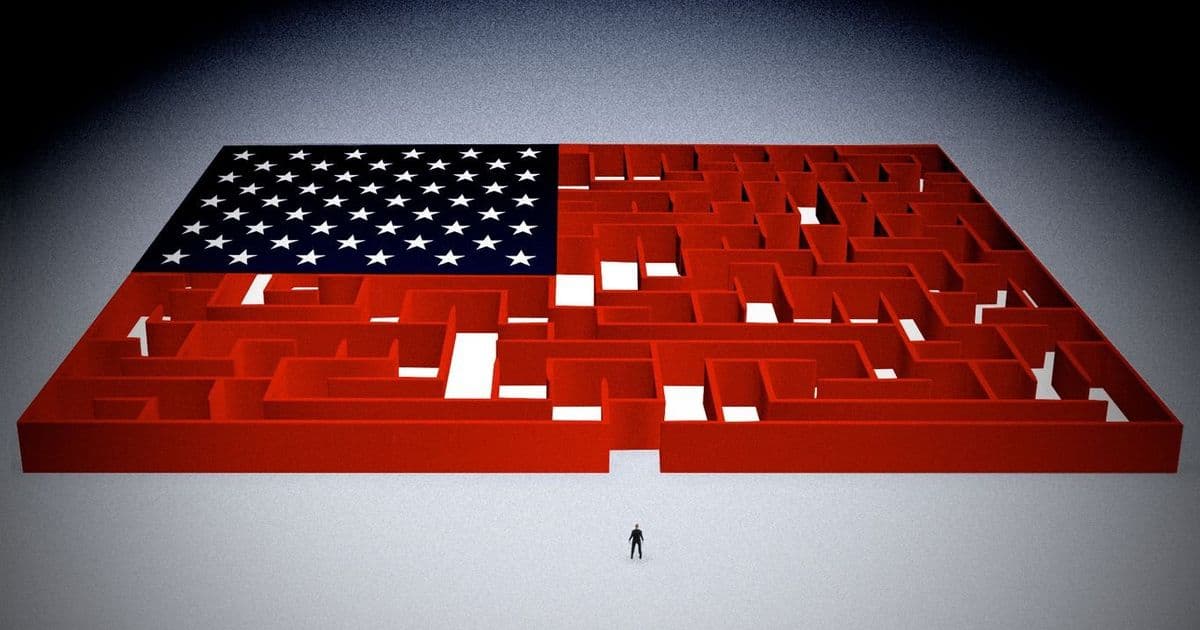
JPMorgan Chase CEO Jamie Dimon warns of the highest geopolitical risks facing America since World War II, citing multiple global conflicts and economic uncertainties that could reshape the international order.
Jamie Dimon, the longtime CEO of JPMorgan Chase, has issued a sobering assessment of the current global landscape, warning that America faces more geopolitical risk today than at any point since World War II. In his annual shareholder letter, Dimon outlined a series of interconnected threats that could fundamentally reshape the international order and pose significant challenges to U.S. economic and strategic interests.
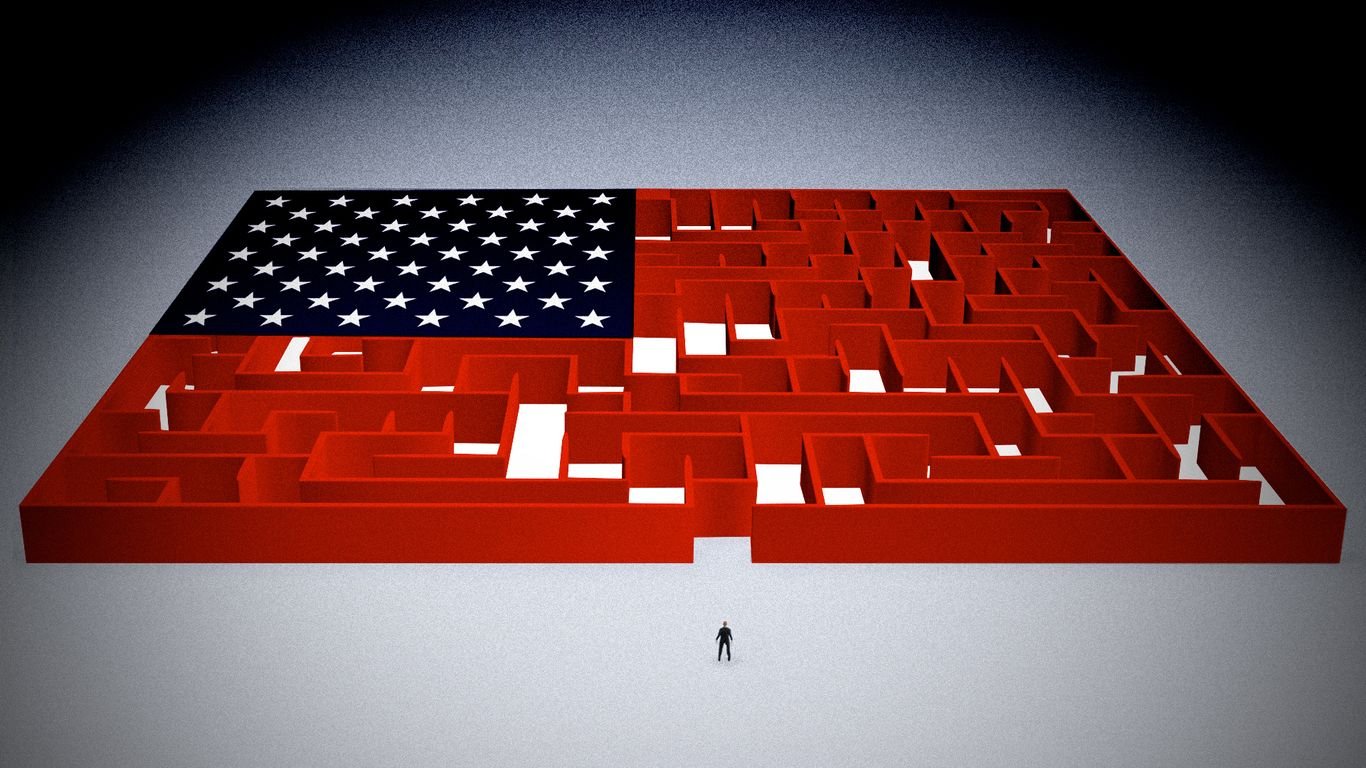
Dimon's warning comes at a time of unprecedented global instability. The ongoing war in Ukraine, rising tensions between the United States and China, persistent conflicts in the Middle East, and the growing threat of nuclear proliferation have created a complex web of risks that Dimon argues surpasses even the Cold War era in terms of potential impact on American interests.
The financial sector veteran points to several specific factors driving his assessment. First, the erosion of the post-World War II international order has created power vacuums and increased the likelihood of conflict. Second, the rapid advancement of military technology, including hypersonic weapons and artificial intelligence, has made traditional deterrence strategies less effective. Third, the increasing economic interdependence between nations has created new vulnerabilities that adversaries could exploit.
Dimon's concerns extend beyond traditional military threats. He highlights the growing risk of cyber warfare, economic coercion, and the weaponization of financial systems. The recent sanctions against Russia have demonstrated both the power and limitations of economic statecraft, while also revealing how quickly financial tools can be turned against their creators.
The timing of Dimon's warning is particularly significant given the current state of the U.S. economy. While inflation has moderated somewhat, interest rates remain elevated, and economic growth has slowed. The Federal Reserve faces a delicate balancing act between controlling inflation and preventing a recession, all while navigating an increasingly complex geopolitical environment.
Dimon's assessment carries weight not only because of his position at America's largest bank but also due to his track record of prescient warnings. He famously predicted the 2008 financial crisis years before it occurred and has consistently advocated for stronger risk management practices in the financial sector.
The implications of Dimon's warning extend far beyond the banking industry. For businesses operating globally, the increased geopolitical risk means higher costs for risk management, potential supply chain disruptions, and the need for more robust contingency planning. For policymakers, it suggests the need for a comprehensive reassessment of America's strategic priorities and resource allocation.
Dimon specifically calls for increased investment in critical infrastructure, both physical and digital, to enhance national resilience. He also advocates for strengthening alliances and partnerships, particularly with countries in the Indo-Pacific region, to counterbalance China's growing influence.
The CEO's warning comes amid growing concerns about America's preparedness for a major conflict. A recent study by the RAND Corporation found that the U.S. military would face significant challenges in simultaneously deterring aggression from both China and Russia, highlighting the need for strategic prioritization and resource allocation.
Dimon's assessment also reflects broader concerns within the business community about the sustainability of the current international order. The rise of protectionist policies, the weaponization of trade relationships, and the increasing use of economic sanctions have created an environment of uncertainty that many businesses find challenging to navigate.
For investors, Dimon's warning suggests the need for a more defensive portfolio posture. This might include increased allocation to safe-haven assets, greater geographic diversification, and a focus on companies with strong balance sheets and resilient business models.
The geopolitical risks outlined by Dimon also have implications for the technology sector. The ongoing tensions with China have already led to restrictions on technology transfers and increased scrutiny of Chinese investments in U.S. tech companies. Dimon warns that these trends are likely to accelerate, potentially leading to a bifurcation of the global technology ecosystem.
Despite the grim assessment, Dimon remains optimistic about America's long-term prospects. He emphasizes the country's strengths, including its innovative capacity, entrepreneurial spirit, and the rule of law. However, he argues that maintaining these advantages will require proactive leadership and a willingness to make difficult choices.
Dimon's warning serves as a wake-up call for American business and political leaders. The convergence of multiple geopolitical risks, combined with domestic economic challenges, creates a complex environment that will require careful navigation. The stakes are high, and the consequences of miscalculation could be severe.
As the world becomes increasingly interconnected yet simultaneously more fragmented, Dimon's assessment suggests that traditional approaches to risk management may no longer be sufficient. Companies and policymakers alike will need to develop new frameworks for understanding and responding to the complex geopolitical challenges that lie ahead.
The coming years will test America's resilience and adaptability in ways not seen since the Second World War. How effectively the country responds to these challenges will shape not only its own future but also the future of the global order.
Comments
Please log in or register to join the discussion