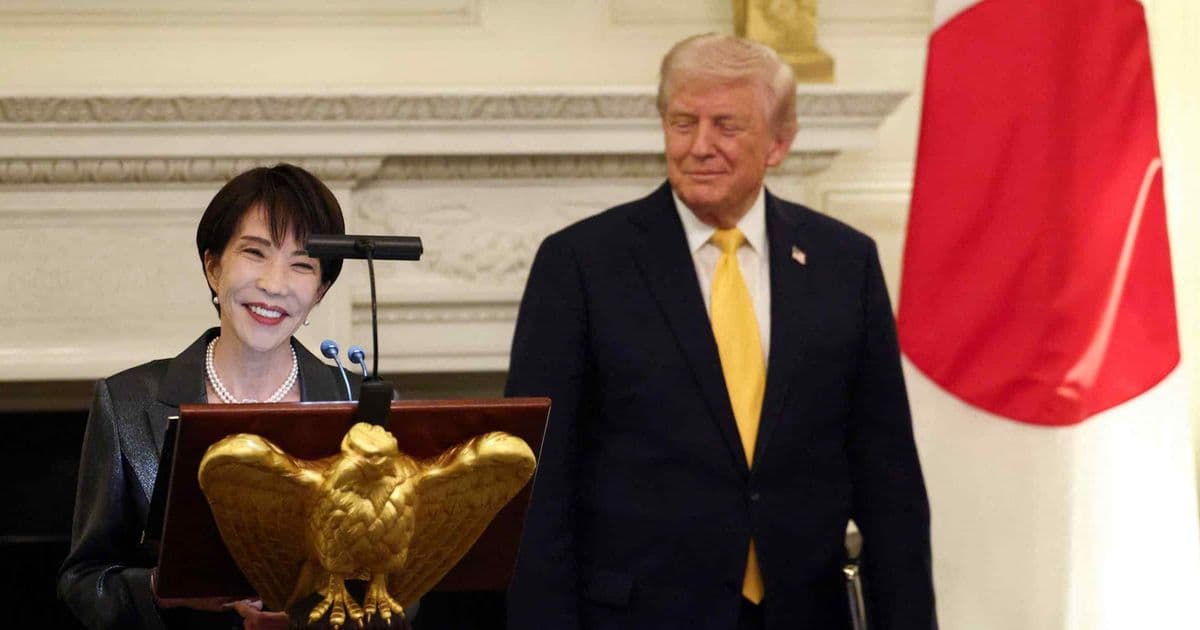
Japan’s plan to invite President Donald Trump for a stopover in Tokyo before his Beijing summit collapsed as the Iran‑Israel clash diverted U.S. diplomatic bandwidth. The missed opportunity highlights Tokyo’s limited leverage over U.S. China policy, raises questions about the effectiveness of Japan’s “strategic hospitality” and could reshape its approach to regional security coordination.
Japan’s missed chance to host Trump before the U.S.–China summit
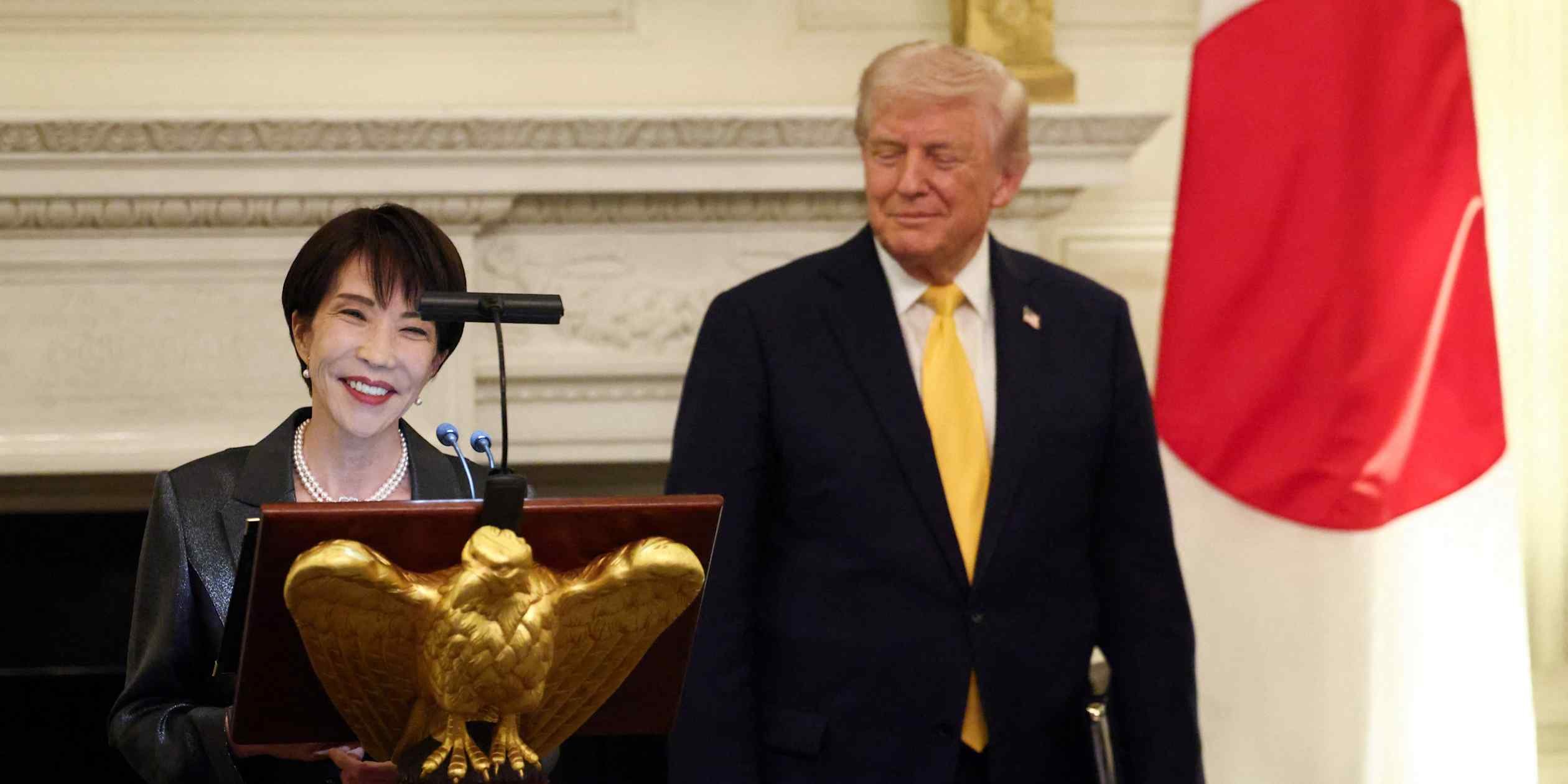
Tokyo had been quietly arranging a brief visit by President Donald Trump in early April, timed to precede his scheduled meeting with Xi Jinping in Beijing. The idea was to give Prime Minister Sanae Takaichi a platform to articulate Japan’s concerns over China’s military buildup in the East China Sea and to reinforce the U.S.–Japan security alliance ahead of the high‑stakes summit.
The plan unraveled when the sudden escalation of hostilities between Iran and Israel forced the White House to re‑prioritise its diplomatic agenda. U.S. officials redirected senior staff to the Middle East, leaving no bandwidth to coordinate a side‑trip for Trump. By the time the situation stabilized, the Beijing summit was already set, and the logistical window for a Tokyo stop had closed.
Market context: Why the timing mattered
- Currency markets: In the week leading up to the planned visit, the yen was trading at ¥155 per dollar, a 2.3 % depreciation from its three‑month average. Analysts had expected a modest rally if the visit had underscored a stronger U.S.–Japan alignment.
- Equities: The Nikkei 225 was up 1.8 % on the back‑of‑the‑envelope forecast that a Trump stop would buoy defense stocks, especially firms like Kawasaki Heavy Industries and Mitsubishi Heavy that supply maritime patrol aircraft.
- Bond yields: Japanese 10‑year government yields hovered near 0.07 %, barely above the U.S. Treasury benchmark, reflecting investors’ view that any diplomatic win would not materially shift fiscal risk.
The cancellation removed a potential catalyst that could have narrowed the yen‑dollar spread and provided a short‑term lift to the defense sector.
What it means for Japan’s diplomatic playbook
- Limited ability to dictate U.S. itinerary – Even a close ally like Japan cannot force a stopover when the U.S. president’s agenda is under pressure from an unrelated crisis. This underscores the asymmetry in the bilateral relationship: Tokyo can offer venues and logistics, but ultimate scheduling rests with Washington.
- Re‑evaluation of “strategic hospitality” – Prime Minister Takaichi’s administration has leaned on high‑profile visits to showcase Japan’s strategic priorities. With the Trump stop off the table, the government may shift toward more substantive policy tools such as joint exercises, intelligence sharing agreements, and accelerated procurement of advanced missile‑defence systems.
- Impact on regional signaling – China’s leadership had been closely watching the U.S.–Japan coordination ahead of the summit. The absence of a Japanese pre‑summit meeting reduces the perceived unity of the U.S.–Japan front, potentially emboldening Beijing to adopt a firmer stance on Taiwan and the Senkaku/Diaoyu islands.
- Domestic political fallout – Takaichi’s approval rating slipped from 38 % to 31 % in the weeks after the plan was disclosed, as opposition parties framed the episode as a diplomatic embarrassment. The Prime Minister is likely to face pressure to deliver tangible security outcomes before the next parliamentary session.
- Future diplomatic flexibility – The episode may encourage Tokyo to diversify its diplomatic outreach, deepening ties with other regional powers such as Indonesia, India and Australia. Recent “musical diplomacy” trips to Jakarta hint at a broader strategy to build a coalition that can offset reliance on a single U.S. visit.
Bottom line
Japan’s attempt to host President Trump before his Beijing summit illustrates the fragility of schedule‑driven diplomacy when global crises intervene. The fallout will likely push Tokyo to rely less on high‑visibility visits and more on concrete security collaborations, while also prompting a recalibration of how the country leverages its alliance with the United States to influence China’s regional behavior.
Comments
Please log in or register to join the discussion