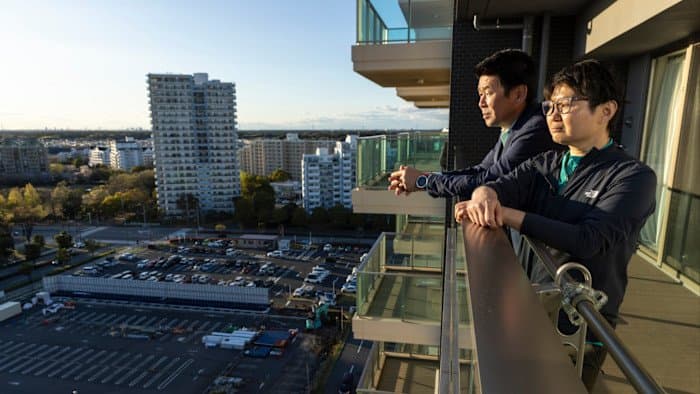
Japan's $23 billion data center market is projected to expand by nearly half over the next four years, with 90% of facilities concentrated in densely populated regions, triggering significant pushback from local communities concerned about resource strain and environmental impact.
Japan's data center market is on track to experience substantial growth, expanding by approximately 50% to reach $23 billion by 2030, according to a recent report from JLL. However, this expansion is concentrated geographically, with 90% of data center sites located in densely populated regions, creating tensions with local residents who raise concerns about resource consumption and environmental impacts.
The growth trajectory reflects Japan's increasing importance in the global AI infrastructure landscape. As AI models continue to scale in size and complexity, the demand for computational resources has intensified, driving companies to establish data centers in regions with reliable power infrastructure and connectivity. Japan's stable political environment, advanced technological infrastructure, and strategic location in Asia make it an attractive destination for these facilities.
The geographic concentration presents significant challenges. Tokyo and other major metropolitan areas already face substantial strain on their power grids and cooling systems. Data centers are notoriously energy-intensive, with some facilities consuming as much electricity as small cities. This creates a direct conflict with Japan's climate goals, as the country aims to reduce carbon emissions while simultaneously expanding its digital infrastructure.
Local communities have begun organizing resistance to new data center developments. Residents cite concerns about increased electricity costs, noise pollution from cooling systems, and the visual impact of large facilities on urban landscapes. In some cases, protests have delayed or halted planned construction projects, creating uncertainty for companies investing in Japan's data center market.
"The concentration of data centers in urban areas creates a perfect storm of resource competition," said Dr. Hiroshi Tanaka, a professor of urban planning at the University of Tokyo who has studied the issue. "We're seeing increased pressure on already strained power grids, competition with residential consumers for electricity, and significant challenges in waste heat management that could affect local microclimates."
From a technical perspective, the geographic concentration also creates single points of failure that could impact Japan's digital infrastructure resilience. Natural disasters, such as earthquakes and typhoons, pose significant risks to concentrated data center facilities. While Japan has robust disaster preparedness systems, the clustering of critical infrastructure increases systemic risk.
The industry response has been mixed. Some companies are exploring alternative technologies like immersion cooling and advanced power management systems to reduce environmental impact. Others are looking at developing data centers in less densely populated areas, though this comes with trade-offs regarding connectivity and latency for AI workloads that require low-latency connections.
Japan's government has attempted to balance these competing interests through regulatory frameworks that encourage data center development while imposing environmental and community impact requirements. However, the pace of technological advancement in AI has outpaced regulatory adaptation, creating a gap between policy and practice.
The growth projections assume continued demand for AI infrastructure, which faces its own uncertainties. While current trends suggest strong demand for computational resources, the development of more efficient AI models or alternative computing architectures could moderate this demand in the coming years.
For Japan to realize its potential as a data center hub while addressing community concerns, a multi-faceted approach will be necessary. This includes investment in renewable energy to power data centers, development of more efficient cooling technologies, and community engagement strategies that address local concerns while enabling necessary infrastructure development.
The situation in Japan reflects broader global tensions between digital infrastructure expansion and environmental sustainability. As AI continues to drive demand for computational resources, similar challenges are emerging in data center markets worldwide, making Japan's experience a case study for balancing technological advancement with environmental and community considerations.
For more information about JLL's research on data center markets, you can visit their official research page. Additional context about Japan's digital infrastructure strategy is available through the Ministry of Internal Affairs and Communications.
Comments
Please log in or register to join the discussion