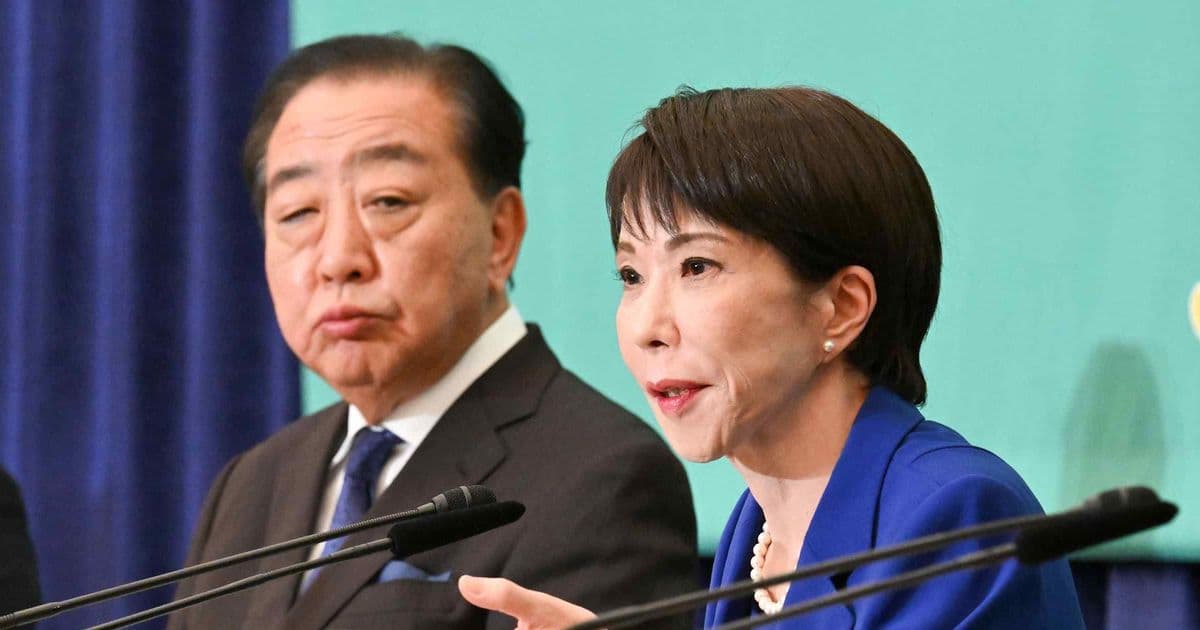
Japanese political leaders clash over consumption tax cuts and immigration policy ahead of snap elections, highlighting tensions between economic relief and fiscal stability as inflation strains households.
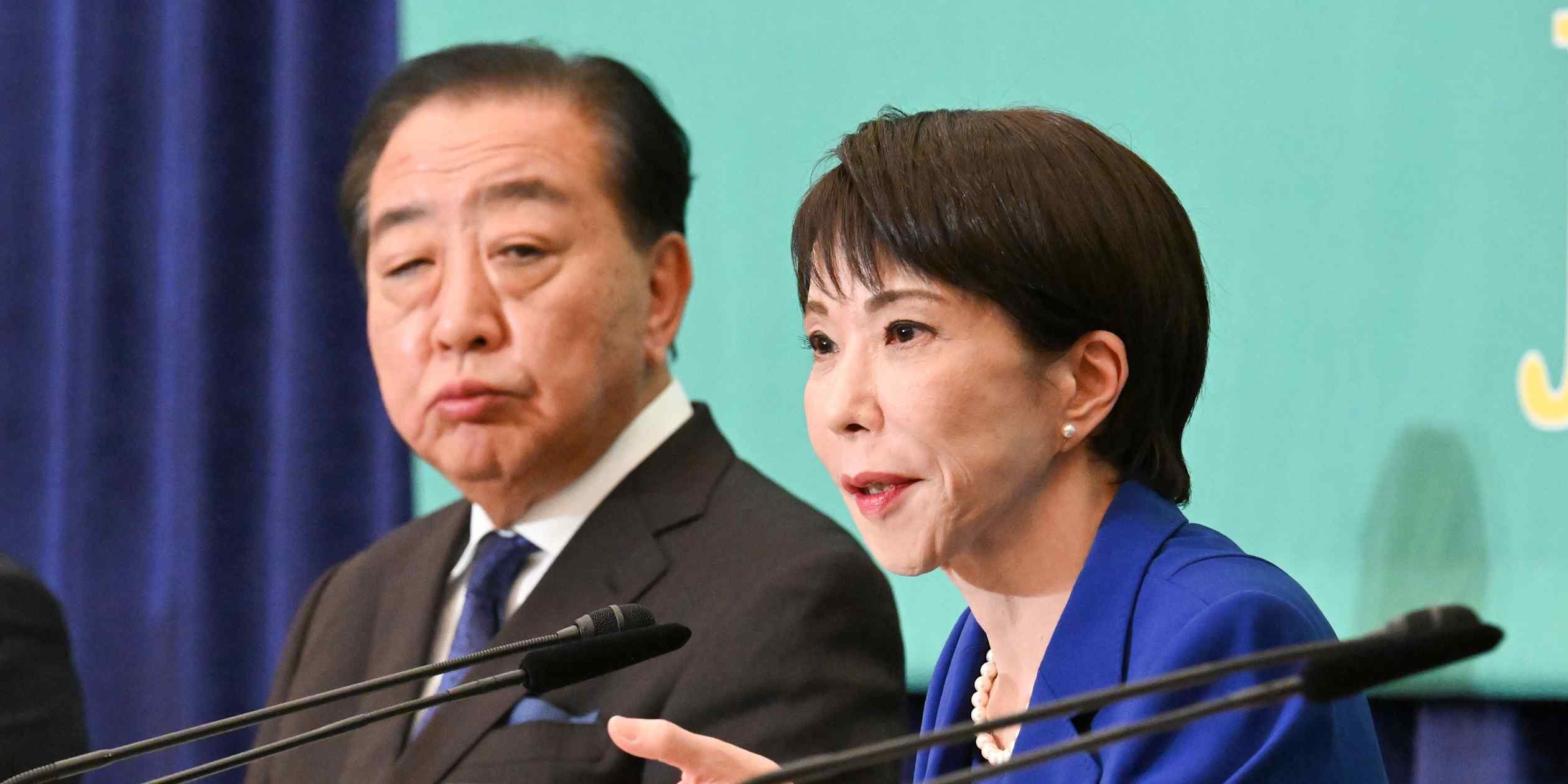
Japanese political leaders engaged in heated policy debates ahead of February's snap elections, revealing fundamental disagreements over consumption tax reductions and immigration reform that carry significant implications for Asia's second-largest economy. With inflation at 3.1% and wages stagnating, Prime Minister Sanae Takaichi's proposal for temporary food tax cuts faces opposition from fiscal hawks warning of Japan's 263% debt-to-GDP ratio—the highest among developed nations.
The debate centers on balancing immediate economic relief against long-term fiscal stability. Takaichi's Liberal Democratic Party advocates redirecting tax revenue from tourism growth toward subsidies, claiming this could save households ¥50,000 ($340) annually. However, opposition leaders counter that unfunded tax cuts would require deficit bonds, potentially triggering credit downgrades. Japan's 10-year bond yields recently hit 0.9%, reflecting market jitters about fiscal sustainability.
Immigration policy emerged as the second flashpoint. With foreign residents reaching a record 3.2 million—filling critical labor shortages in manufacturing and tech—proposals range from accelerated skilled worker visas to stricter integration requirements. Industry groups warn that restrictive policies could exacerbate Japan's 1.3 million worker deficit by 2030, particularly in semiconductor plants and construction sectors where foreign labor comprises over 15% of the workforce.
Market analysts highlight divergent sector impacts: Retail stocks rose 2.3% on tax cut prospects, while banks retreated over sovereign debt concerns. The debate mirrors global populist tax trends but clashes with Bank of Japan tightening signals, creating investor uncertainty. As campaigning formally opens, the outcome will determine whether Japan prioritizes short-term consumption boosts or structural reforms to address demographic and fiscal challenges.
Comments
Please log in or register to join the discussion