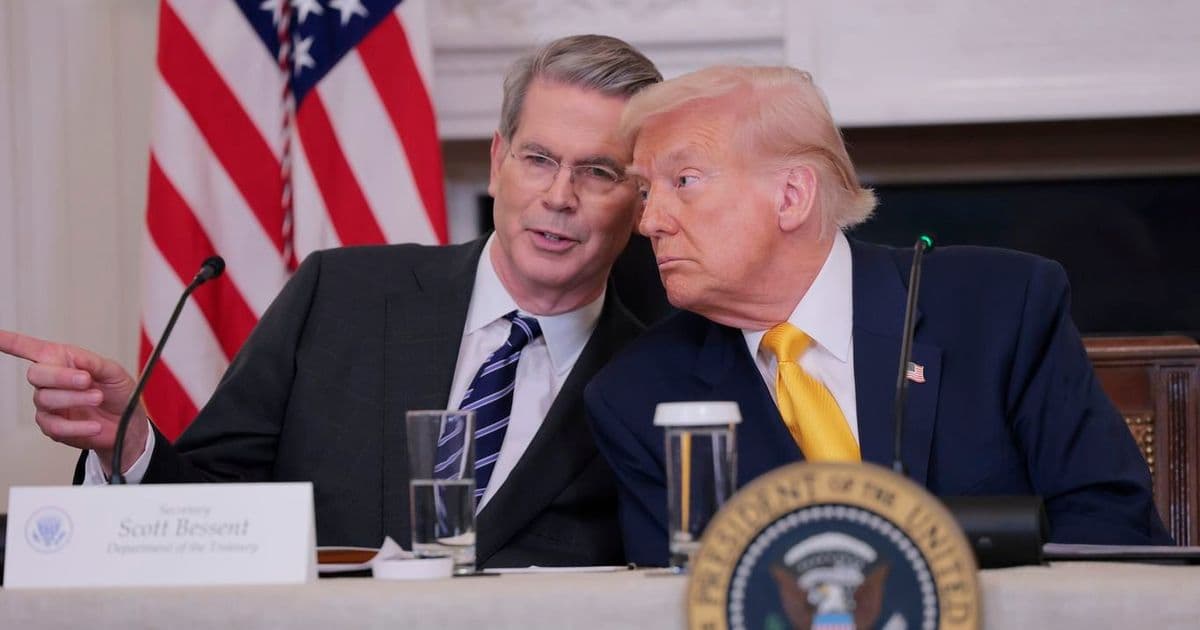
U.S. officials announce imminent naval escort operations in the critical Strait of Hormuz shipping lane as tensions with Iran escalate, potentially disrupting global oil markets.
The Trump administration is preparing to launch naval escort operations in the Strait of Hormuz "soon," according to Treasury Secretary Scott Bessent, marking a significant escalation in U.S. military posture toward Iran amid rising regional tensions.
Strategic Maritime Security Initiative
The Strait of Hormuz, a narrow waterway between Iran and Oman, handles approximately 20% of global oil shipments and serves as a critical chokepoint for international energy markets. The U.S. decision to implement naval escorts comes as Iran has threatened to close the strait in response to economic sanctions and military pressure.
Treasury Secretary Bessent, speaking at a recent press conference, indicated that the escort operations would begin "in the coming days," though specific details about the scope and scale of the mission remain undisclosed. The announcement follows weeks of escalating rhetoric between Washington and Tehran over Iran's nuclear program and regional influence.
Economic Implications
Energy analysts warn that any disruption to shipping through the Strait of Hormuz could send global oil prices soaring. Brent crude futures have already shown volatility in recent trading sessions, with traders pricing in the risk of supply interruptions.
"The Strait of Hormuz is the jugular vein of global energy markets," said energy market analyst Sarah Chen. "Even the threat of military action in this area can cause significant price spikes." The International Energy Agency estimates that a complete closure of the strait could remove up to 17 million barrels per day from global markets.
Military Response and Regional Dynamics
The U.S. Navy's Fifth Fleet, based in Bahrain, would likely spearhead the escort operations. Military experts suggest the mission could involve destroyer squadrons, aircraft carriers, and support vessels to ensure safe passage for commercial shipping.
Iran has repeatedly demonstrated its capability to disrupt maritime traffic, including attacks on oil tankers in 2019 and the seizure of a British-flagged vessel. The country possesses a sophisticated arsenal of anti-ship missiles, naval mines, and fast attack craft that could challenge U.S. naval forces.
Diplomatic Fallout
The escort announcement comes as diplomatic efforts to revive the Iran nuclear deal have stalled. European allies have expressed concern about the potential for miscalculation leading to open conflict. Germany and France have called for de-escalation, warning that military confrontation could have catastrophic consequences for regional stability.
China and Russia, both major energy consumers with interests in the region, have also cautioned against provocative actions. Both countries maintain significant economic ties with Iran and could view U.S. naval operations as a threat to their strategic interests.
Historical Context
This is not the first time the U.S. has deployed naval escorts in the Persian Gulf. During the Tanker War in the 1980s, when Iran and Iraq targeted each other's shipping, the U.S. Navy conducted Operation Earnest Will, escorting Kuwaiti tankers through the strait. That operation lasted over a year and involved direct confrontations with Iranian forces.
More recently, in 2019, the U.S. established a maritime security coalition called Operation Sentinel to protect commercial vessels in the region following attacks on oil tankers. That initiative included participation from several allied nations but faced challenges in coordinating multinational naval operations.
What Happens Next
The timing of the escort operations could prove crucial. With global oil demand recovering from pandemic lows and OPEC+ supply management policies already constraining production, any supply disruption would hit markets at a particularly vulnerable moment.
Energy traders are closely monitoring developments, with some already implementing risk management strategies. Shipping companies are reportedly considering insurance implications and potential rerouting options if tensions escalate further.
Military analysts suggest the escort operations could serve multiple purposes: ensuring freedom of navigation, demonstrating U.S. resolve, and potentially deterring Iranian aggression. However, the presence of U.S. warships in such close proximity to Iranian territory also raises the risk of accidental confrontations or deliberate provocations.
The coming days will be critical in determining whether this military posture leads to de-escalation through deterrence or contributes to a dangerous spiral of escalation that could have profound implications for global energy markets and regional security.
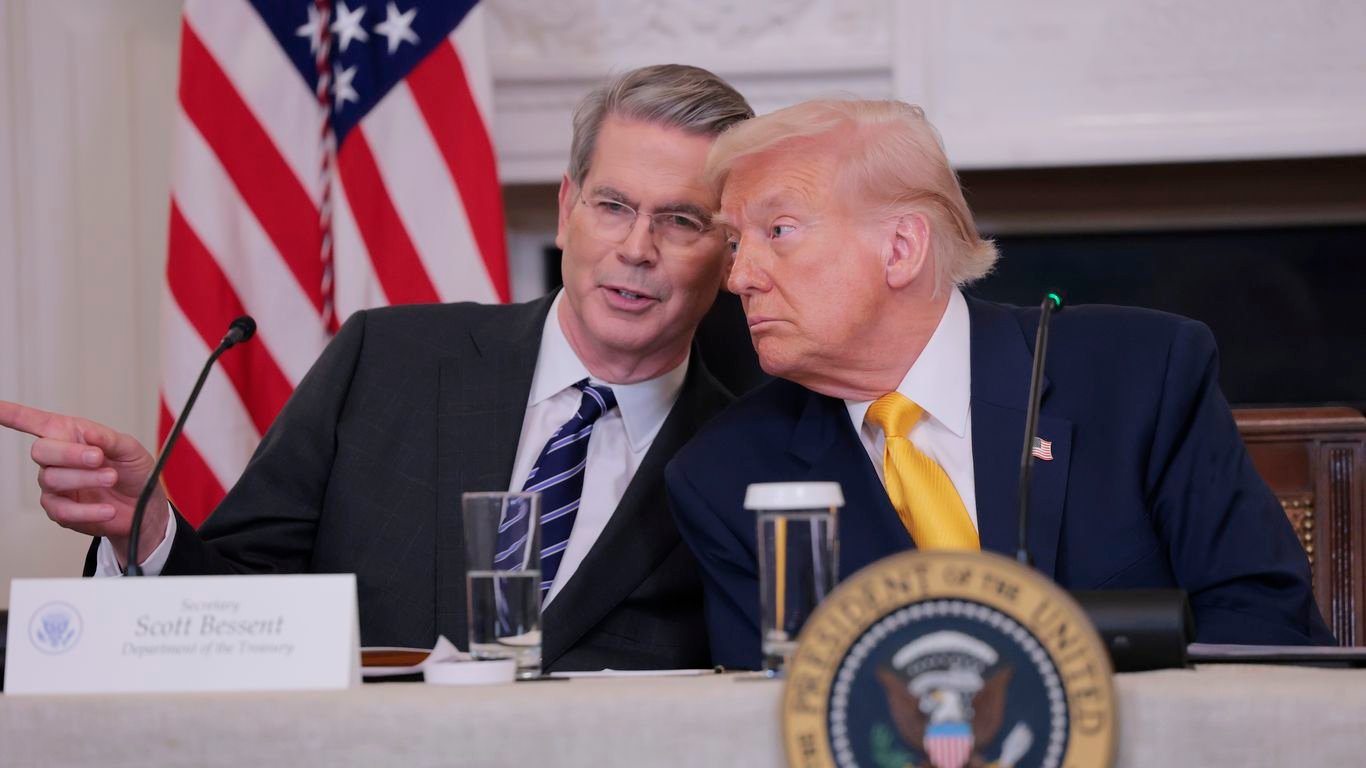
The strategic importance of the Strait of Hormuz cannot be overstated. This narrow waterway represents one of the most critical maritime chokepoints in the world, where even small military actions can have outsized impacts on global energy markets and international relations.
Comments
Please log in or register to join the discussion