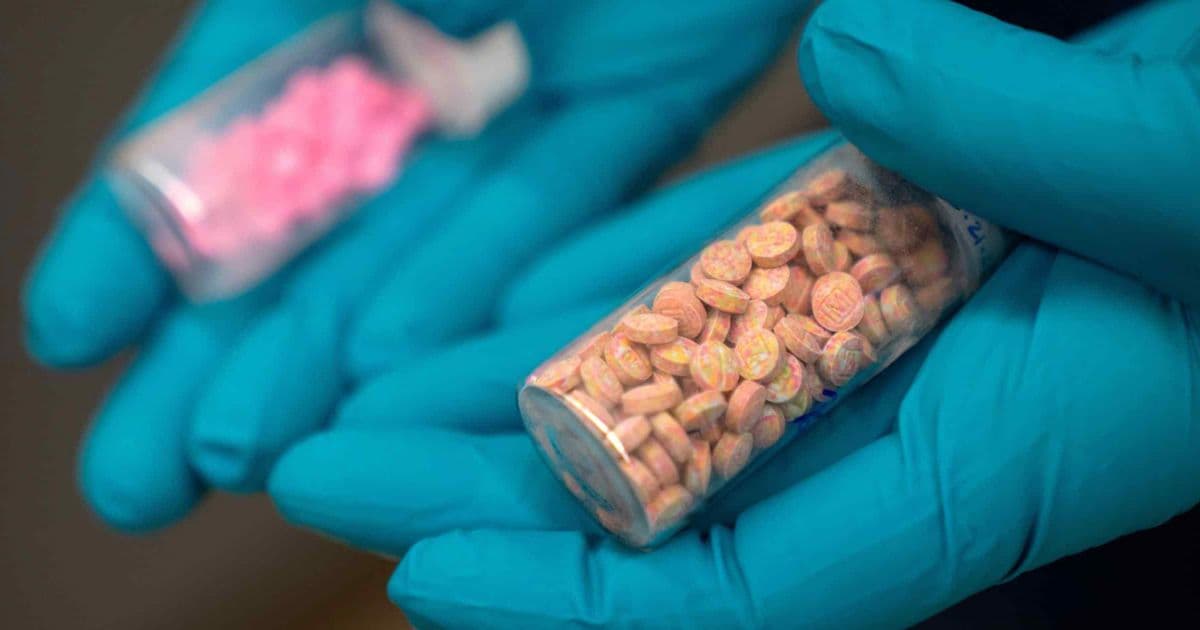
A senior DEA official confirmed that Japan is now a transit hub for synthetic opioid precursors bound for the United States, expanding a network previously traced to China and Mexico. The disclosure signals heightened scrutiny of Japanese chemical exporters, potential tightening of export controls, and a ripple effect on related market segments such as specialty chemicals, logistics, and compliance services.
Japan’s newly acknowledged place in the fentanyl supply chain
The U.S. Drug Enforcement Administration announced on Friday that Japanese entities are part of a trans‑Pacific route funneling fentanyl precursors into the United States. This marks the first time the agency has publicly linked Japan to the illicit supply chain, which until now was largely framed as a China‑Mexico‑U.S. corridor.
According to the DEA spokesperson, shipments of N‑phenethyl‑4‑piperidone (NPP) and 4‑ANPP – key intermediates used to synthesize fentanyl – have been intercepted in Tokyo’s Narita airport and at the Port of Yokohama. The chemicals originated from a cluster of small‑scale manufacturers in the Kansai region, were consolidated in Osaka, and then shipped via container vessels bound for the West Coast of the United States.
Market context: chemical export volumes and regulatory exposure
Japan’s specialty‑chemical sector generated ¥1.2 trillion (≈ $8.6 billion) in export revenue in FY2025, with a significant share tied to pharmaceuticals and fine chemicals. The Ministry of Economy, Trade and Industry (METI) reported that 12 % of those exports are classified under HS code 2934, which covers “synthetic organic chemicals” – the same category used for many fentanyl precursors.
The DEA’s statement is likely to trigger a series of policy responses:
- Stricter licensing – METI is expected to tighten the pre‑export review process for HS 2934 items, potentially adding a mandatory end‑use verification step similar to the U.S. Entity List.
- Increased compliance costs – Companies such as Mitsubishi Chemical and Sumitomo Dainippon that already operate global compliance units may need to expand their teams. Industry estimates suggest an additional ¥150 million in annual compliance spend per firm.
- Logistics impact – Major freight forwarders handling chemical cargoes could see a 5‑7 % rise in insurance premiums, as insurers adjust risk models to reflect the new transit point.
These developments intersect with broader trends. The global fentanyl‑related seizure volume hit a record 2,300 kg in 2025, according to the United Nations Office on Drugs and Crime (UNODC). At the same time, the U.S. pharmaceutical market is grappling with a $20 billion cost burden from opioid‑related health care and litigation, creating pressure on foreign suppliers to demonstrate tighter controls.
Strategic implications for stakeholders
Japanese chemical producers
Firms that export bulk precursors now face a dual challenge: preserving market access to the United States while avoiding designation as “high‑risk” exporters. A proactive approach could involve:
- Implementing blockchain‑based traceability for each batch of precursor chemicals, providing auditors with immutable records of end‑use declarations.
- Partnering with U.S. compliance firms to align with the DEA’s Emerging Threats Program, thereby reducing the likelihood of future interdictions.
U.S. law‑enforcement and policy makers
The acknowledgement of Japan’s role expands the geographic scope of the DEA’s “Fentanyl‑Focused Task Force.” Budget allocations for the FY2027 fiscal year are expected to rise by 15 %, earmarked for overseas liaison officers and joint operations with Japanese customs.
Investors and market analysts
Analysts covering the specialty‑chemical sector are revising earnings forecasts for the next two years. Nomura Securities cut its 2026 consensus estimate for Mitsubishi Chemical’s net profit by 3 %, citing “potential export‑control headwinds.” Conversely, firms that provide compliance‑as‑a‑service (CaaS) – such as Thomson Reuters World-Check and LexisNexis Risk Solutions – are projected to benefit from a 12‑18 % revenue uplift as demand for due‑diligence tools spikes.
Public‑health agencies
U.S. health‑policy groups warn that any disruption in the illicit supply chain may temporarily shift demand toward more potent analogues, increasing overdose risk. The Centers for Disease Control and Prevention (CDC) is therefore urging the Department of Health and Human Services to allocate an extra $250 million for community‑based overdose‑prevention programs in states most affected by fentanyl influxes.
What it means for the broader fight against synthetic opioids
Japan’s emergence as a transit node underscores the truly global nature of the fentanyl supply chain. The pattern mirrors earlier crackdowns on Chinese precursor exporters, suggesting that interdiction efforts will increasingly target secondary hubs rather than a single source.
For businesses, the key takeaway is clear: compliance cannot be an afterthought. Companies that embed rigorous end‑use verification, invest in supply‑chain transparency, and engage early with regulators will be better positioned to navigate the tightening environment.
For policymakers, the revelation adds urgency to multilateral coordination. The United Nations Office on Drugs and Crime has called for a “Pan‑Pacific Task Force” that would bring together customs, law‑enforcement, and health agencies from Japan, the United States, Mexico, and China to share intelligence and harmonize export‑control standards.
In the coming months, we can expect a cascade of regulatory announcements, heightened enforcement actions at Japanese ports, and a re‑pricing of risk across the specialty‑chemical and logistics markets. Stakeholders that anticipate these shifts now will be the ones that maintain both compliance credibility and financial performance.
Comments
Please log in or register to join the discussion