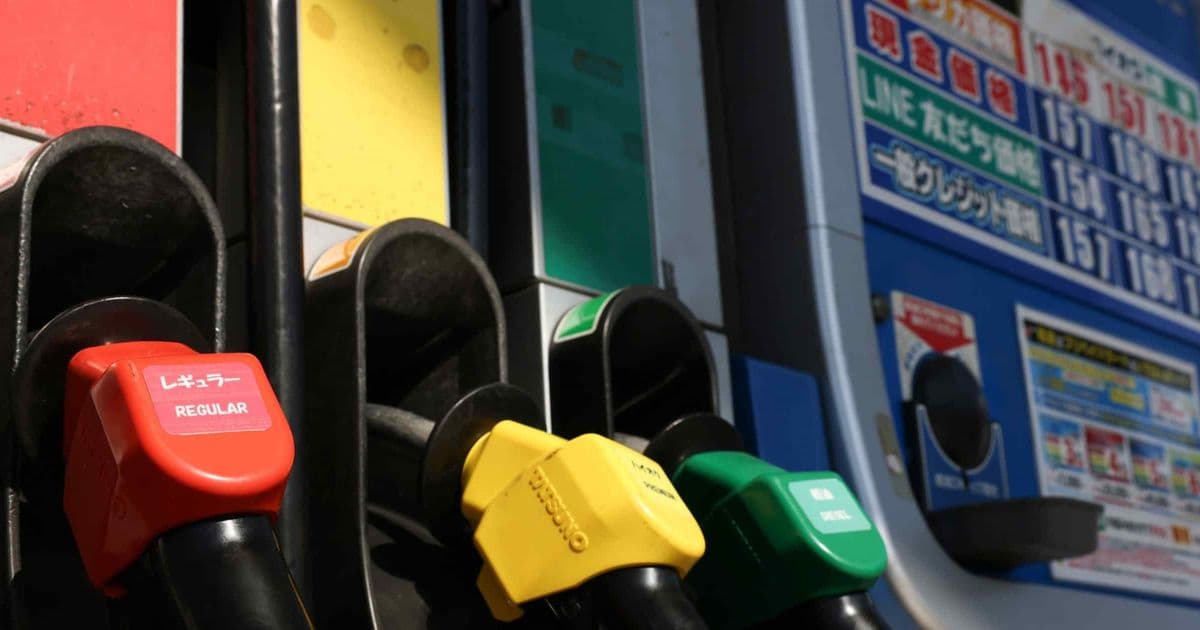
Prime Minister Sanae Takaichi announced a supplementary budget aimed at cushioning households from soaring gasoline prices, while confirming that the government will not issue additional net deficit‑financing bonds. The move reflects a tight fiscal stance amid rising energy costs linked to the Iran‑U.S. conflict.
Japan’s extra budget targets fuel relief without new deficit bonds
Prime Minister Sanae Takaichi told reporters on Monday that the cabinet will submit a supplementary budget to the Diet in the coming weeks. The package is designed to offset the impact of higher gasoline and energy prices that have surged after the escalation of hostilities between Iran and the United States.
The key point of the announcement was a clear ruling‑out of any net increase in deficit‑financing bonds. Takaichi said the government will not issue additional bonds to cover the shortfall created by the extra spending, keeping the overall debt issuance level roughly unchanged.
Market context
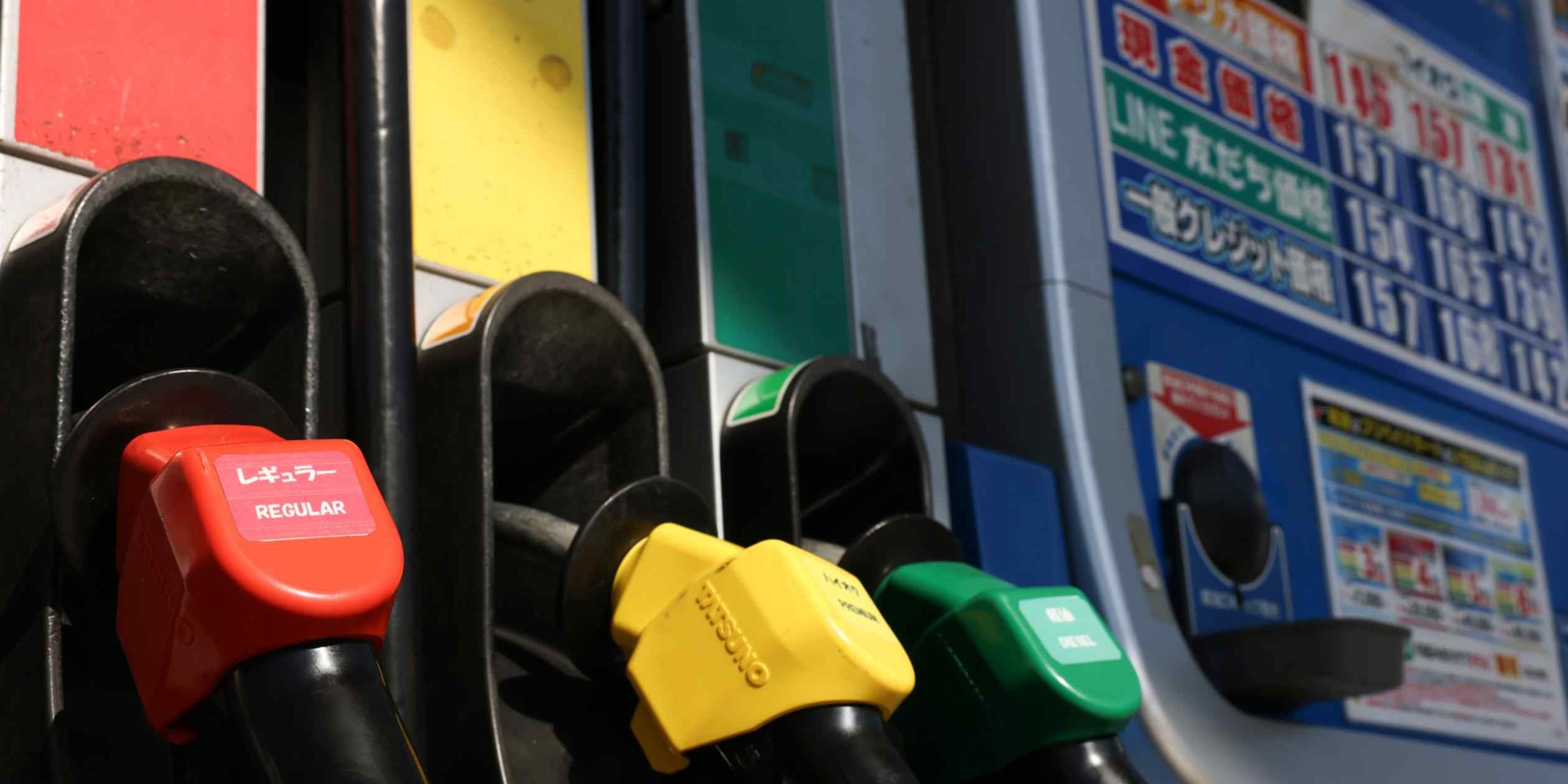
Energy price shock: Since the Iran‑U.S. confrontation began in early May, crude oil spot prices have risen by roughly 12 % and Japanese gasoline futures are trading about 8 % above pre‑conflict levels. The Ministry of Economy, Trade and Industry estimates that the average retail price of gasoline could climb to ¥165 per liter – roughly $1.20 – if no policy response is taken.
Fiscal backdrop: Japan’s general‑government debt stands at 266 % of GDP, the highest among advanced economies. The Finance Ministry’s latest debt‑service projection puts the interest burden at ¥23 trillion ($150 bn) for fiscal 2026, leaving little room for large‑scale borrowing.
Bond market reaction: Long‑term Japanese Government Bond (JGB) yields have hovered near 0.9 % after hitting a record low earlier this year. Investors have been wary of any policy that could widen the fiscal gap, which would push yields higher and increase the cost of servicing existing debt.
What it means for the economy and investors
Targeted subsidies, not blanket stimulus – The supplementary budget will allocate ¥1.2 trillion to a gasoline subsidy program that caps the retail price at roughly ¥150 per liter, a level close to the historic $1‑per‑liter benchmark. By focusing on fuel, the government avoids a broader stimulus that could further fuel inflation.
Fiscal discipline signal – By refusing to issue new net deficit bonds, the administration signals to bond markets that it remains committed to a “steady‑as‑she‑goes” debt trajectory. This should help keep JGB yields from spiking, preserving the low‑cost financing environment that Japanese corporations rely on for capital expenditures.
Sectoral impact – Transportation‑heavy industries—logistics, automotive, and tourism—stand to benefit directly from the subsidy, as fuel costs constitute 12‑15 % of operating expenses for typical firms in these sectors. Analysts at Nomura project a 0.4 % uplift in quarterly earnings for major carriers if the subsidy is fully effective.
Policy risk – The approach hinges on the assumption that the Iran‑U.S. conflict will not expand into a broader regional war. A further escalation could push oil prices above ¥200 per liter, rendering the subsidy insufficient and forcing the government to reconsider additional fiscal measures, potentially including bond issuance.
Long‑term outlook – The move underscores a broader trend in Japanese fiscal policy: targeted, short‑term relief paired with a strict debt‑limit mindset. While this may protect bond market stability, it also limits the government’s ability to use fiscal tools for a more expansive economic stimulus, especially as the country grapples with an aging population and sluggish domestic demand.
Bottom line: Japan’s supplementary budget offers a narrowly focused shield against soaring fuel prices without expanding the nation’s already massive debt load. The decision reflects a delicate balancing act—providing immediate household relief while preserving market confidence in Japan’s fiscal trajectory. Investors should watch the subsidy rollout closely, as its effectiveness will influence corporate earnings in energy‑intensive sectors and could set the tone for future fiscal policy in an increasingly volatile global energy market.
Comments
Please log in or register to join the discussion