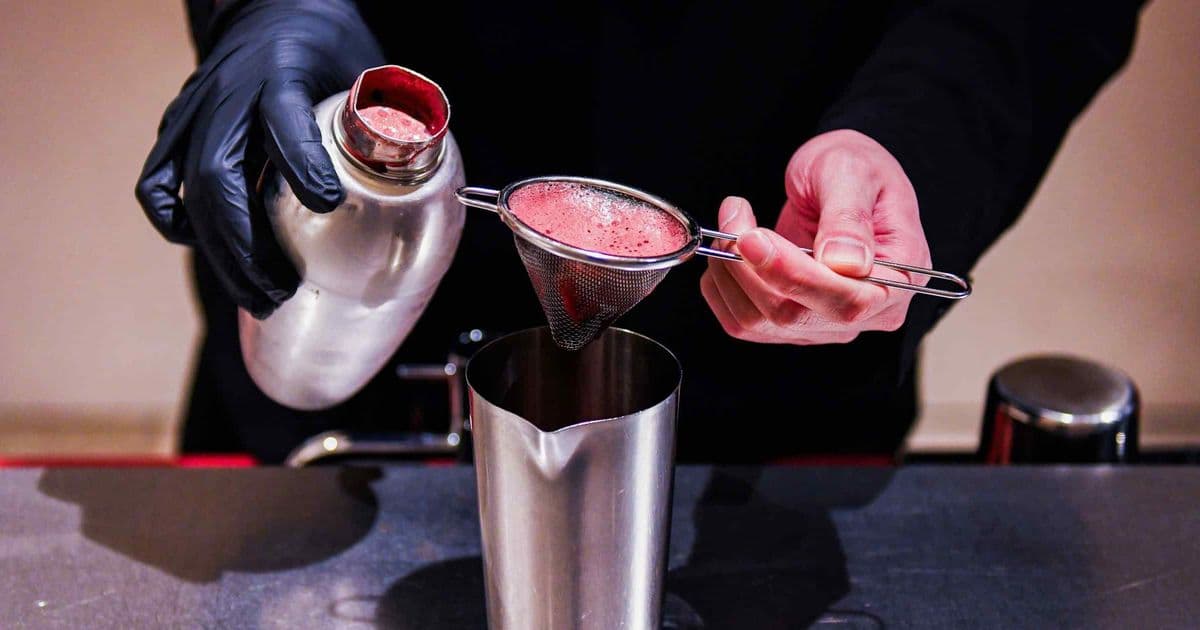
Japanese coffee shops are embracing the 'omakase' concept, letting baristas craft personalized coffee experiences for customers willing to pay premium prices.
Japan's coffee culture is experiencing a fascinating evolution as cafes across Tokyo and other major cities embrace the "omakase" concept, traditionally associated with sushi dining, and apply it to the caffeinated world.
The Rise of Barista-Led Coffee Experiences
The term "omakase" - meaning "I leave it up to you" - has found a new home in Japan's thriving coffee scene. At cafes like Lonich in Tokyo, customers are increasingly willing to surrender control of their coffee experience to skilled baristas who craft personalized tasting courses.
This trend represents a significant shift from Japan's traditionally meticulous coffee culture, where precision and consistency have long been paramount. Now, adventurous coffee lovers are paying premium prices for the element of surprise and the opportunity to discover new flavor profiles they might never have chosen themselves.
What Makes Omakase Coffee Different
Unlike standard cafe experiences where customers specify their drink preferences, omakase coffee courses typically involve:
- A curated selection of beans from different regions
- Multiple brewing methods showcased in a single sitting
- Detailed explanations of flavor notes and origins
- Seasonal or limited-availability offerings
- Personalized adjustments based on customer feedback
The experience often unfolds over 30-60 minutes, transforming a simple coffee break into an educational journey through the world of specialty coffee.
The Business Model Behind the Trend
Cafe owners report that omakase coffee courses command prices 30-50% higher than standard drinks, reflecting both the premium ingredients used and the expertise required to execute these experiences properly.
"Customers are paying not just for coffee, but for the knowledge and curation that goes into each cup," explains one Tokyo cafe owner. "It's similar to wine tasting - people want to learn and discover new things."
Cultural Context and Market Reception
The omakase coffee trend aligns perfectly with Japan's broader cultural appreciation for craftsmanship and expertise. Just as diners trust sushi chefs to select the freshest fish, coffee enthusiasts are placing their faith in baristas' ability to showcase coffee at its best.
This concept has gained particular traction among younger consumers who view coffee as more than just a morning pick-me-up, but as a sophisticated beverage worthy of exploration and appreciation.
Challenges and Future Growth
While the trend is growing, it faces some hurdles:
- Limited seating capacity due to the time-intensive nature of omakase experiences
- Higher operational costs for premium beans and specialized equipment
- The need for highly trained staff who can explain complex flavor profiles
- Weather and seasonal variations affecting bean availability
Despite these challenges, industry analysts predict continued growth in this segment, particularly as Japan's coffee market matures and consumers seek increasingly sophisticated experiences.
Global Implications
The success of omakase coffee in Japan may influence coffee cultures worldwide, particularly in markets where specialty coffee is already well-established. Cities like New York, London, and Melbourne could see similar concepts emerge as baristas look for new ways to differentiate their offerings.
The trend also reflects a broader shift in food and beverage service toward experiential consumption, where the story behind the product and the expertise of the creator become as important as the product itself.
As Japan's coffee scene continues to evolve, the omakase approach represents an intriguing fusion of traditional Japanese hospitality with modern specialty coffee culture - one that's brewing up new possibilities for both cafe owners and coffee lovers alike.
Comments
Please log in or register to join the discussion