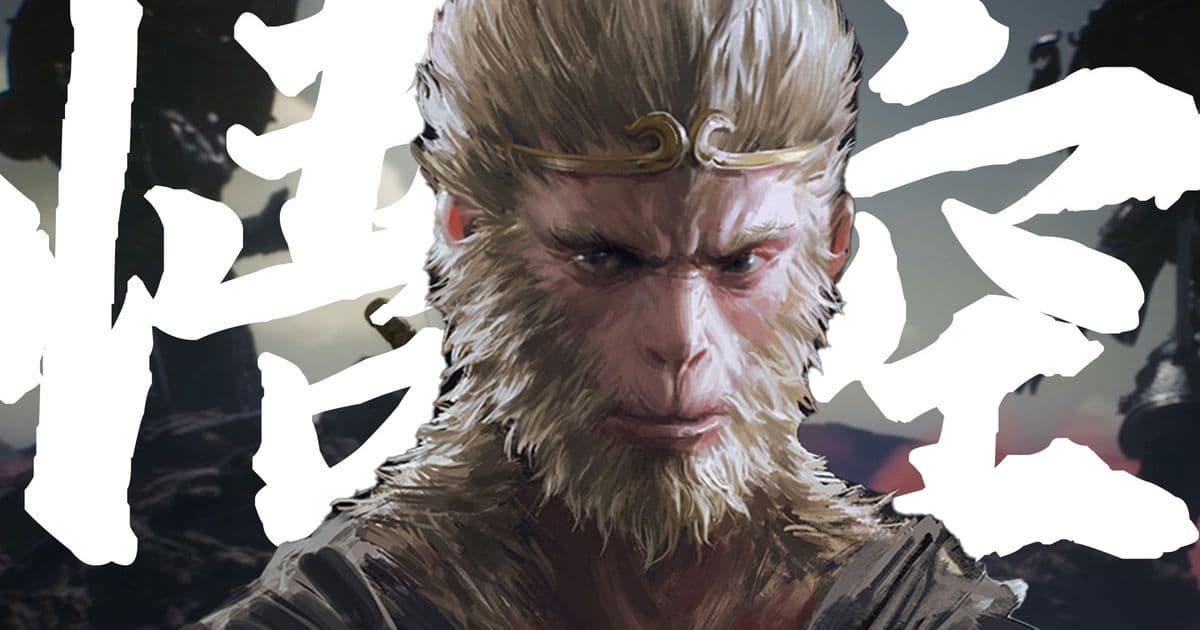
How Game Science transformed a disposable Journey to the West antagonist into one of modern gaming's most compelling boss characters through environmental storytelling and layered mythology.
The Tiger Vanguard stands as one of Black Myth: Wukong's most memorable encounters, but his journey from literary footnote to gaming icon reveals how Game Science reimagined Journey to the West's episodic structure for modern audiences.
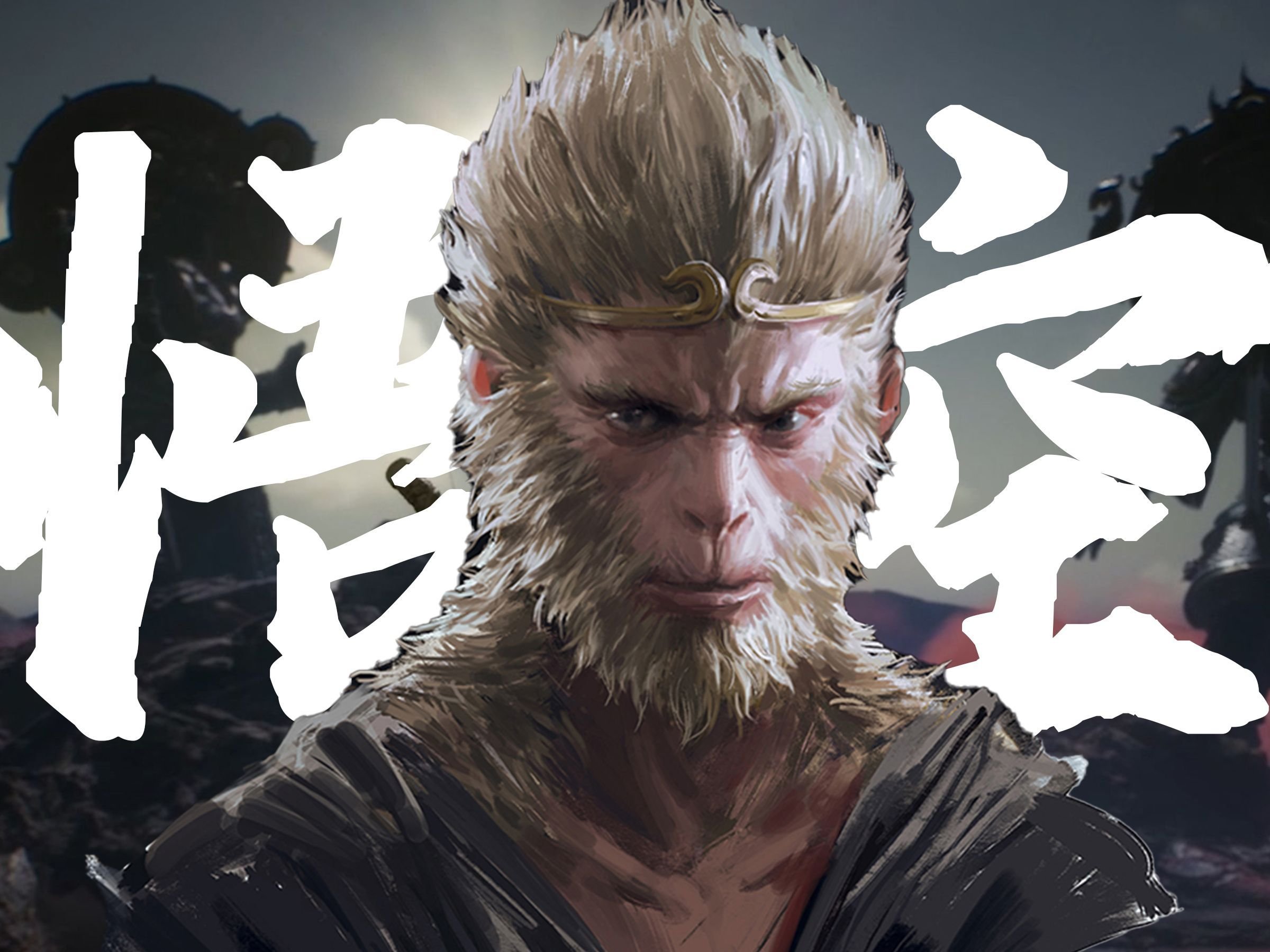
The Original Tiger Vanguard: A Disposable Plot Device
The character's roots trace back to Chapter 20 of the 16th-century classic, where he serves as the "Forward General" under the Yellow Wind Demon. Tasked with patrolling Yellow Wind Ridge and capturing travelers, this original Tiger Vanguard employs a "golden cicada shedding its shell" trick—discarding his tiger skin as a decoy—to capture Tang Sanzang. His fate is swift and forgettable: defeated in battle by Zhu Bajie's rake, killed while attempting to flee. Literary scholars note he exemplifies the novel's episodic nature—here today, gone tomorrow, largely unlamented.
Environmental Storytelling: The Blood-Pool Chamber
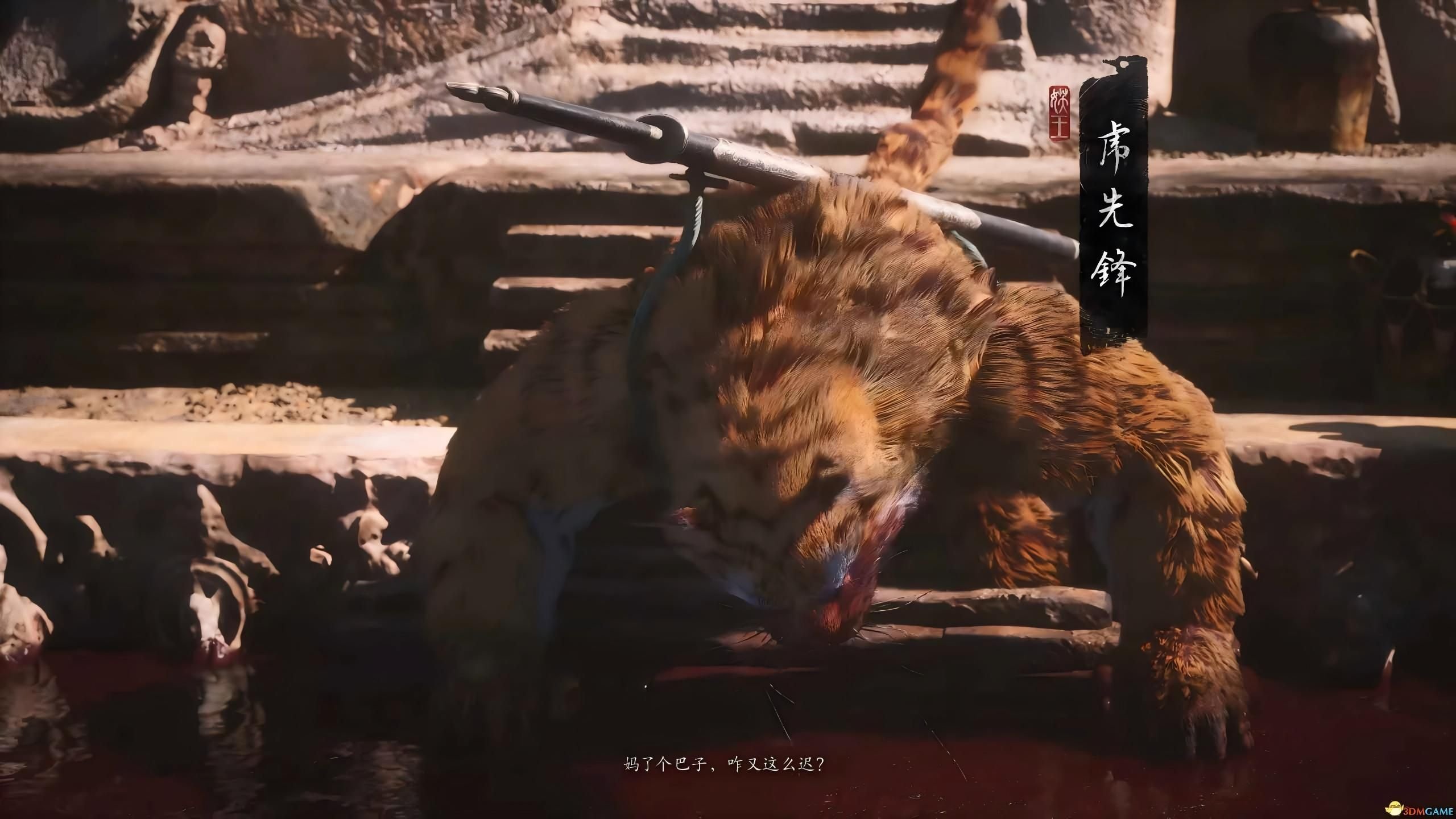
Game Science's interpretation transforms this disposable antagonist through masterful environmental design. The Tiger Vanguard's arena—a dimly lit chamber with a floor of shallow, stagnant blood—immediately establishes brutality and history. This setting captures Journey to the West's darker undertones, where lairs featured "skeletons like hills and bones like forests." The blood pool serves as more than aesthetic; it testifies to countless challengers who have fed this apex predator.
Gameplay as Character Development
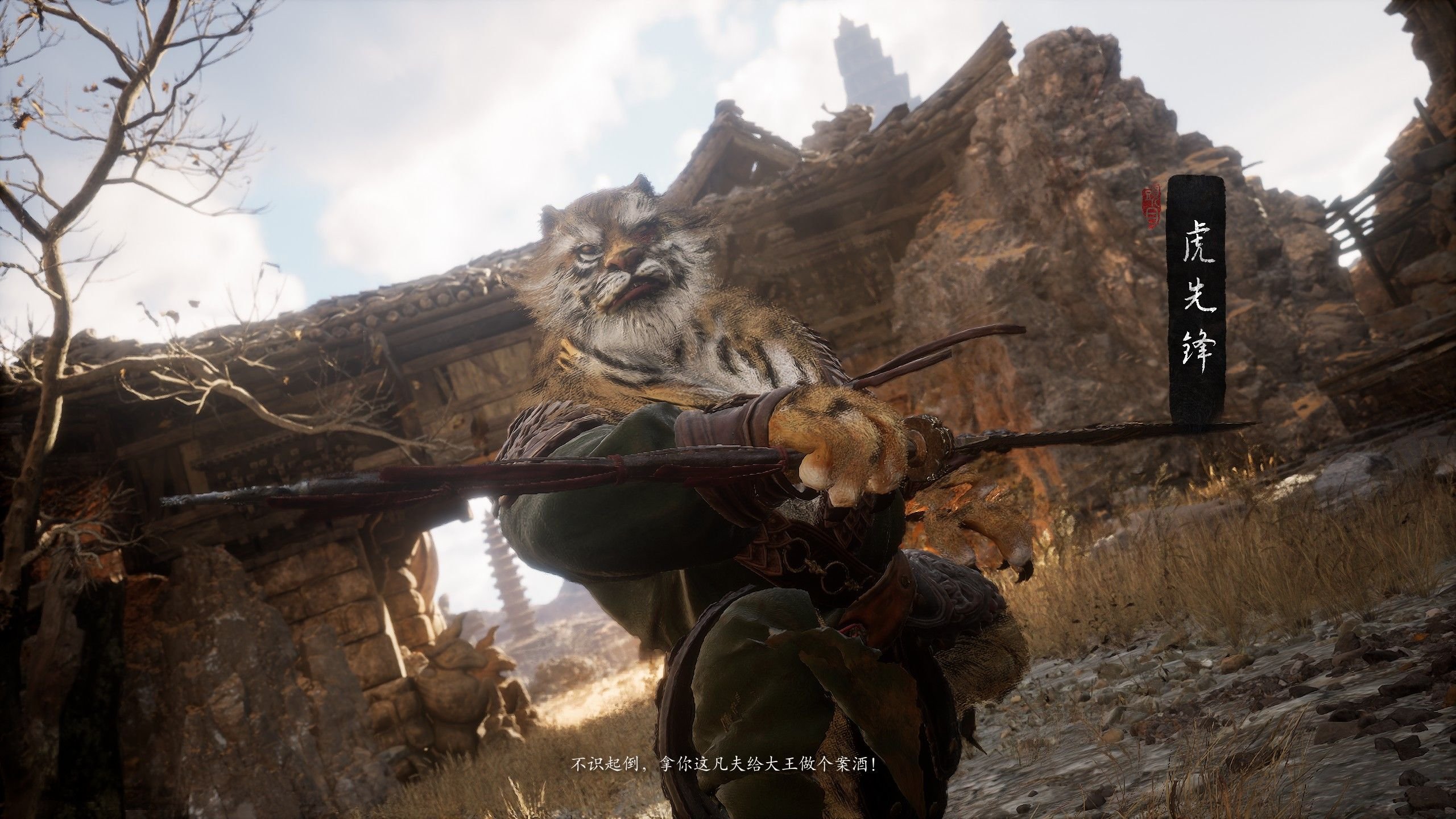
The fight itself becomes a character study. Players expecting a straightforward beast battle face shock when the massive blade on his back remains largely unused. Instead, he employs brutal martial arts—rapid-fire combos, sweeping kicks, explosive lunges. His moveset includes sand tornadoes, aerial crashes, and petrification abilities where he turns to stone, sometimes defensively, sometimes as a feint to teleport behind players. Phrases like "Overpowering!" and "Just kidding!" punctuate his combos, adding taunting personality to mechanical challenge.
The Weight of Legacy: Family and Sacrifice
Black Myth's lore reveals the Tiger Vanguard as the son of the original character, inheriting both martial prowess and legacy. After his father's death, he and his younger brother governed remaining yaoguai, protecting humans in exchange for worship as "Tiger Gods." This fragile peace shatters when the Yellow Wind Sage returns with rat demons. The younger brother, burning with rage over their father's death, goads rebellion. When the Yellow Wind Sage gravely wounds the younger brother with a Buddha-head-shaped Dharma artifact, the elder Tiger Vanguard submits to save his sibling, banishing the wounded brother forever.
This backstory transforms him from simple antagonist to tragic figure. He hates his master yet serves, perhaps venting rage by devouring rats. His famous line upon defeat—"If you can't beat 'em, kneel"—acknowledges his compromised position. Every attack carries frustration and fury of a proud warrior forced into servitude.
Why He Sticks With Players
The Tiger Vanguard's memorability stems from emotional resonance beyond mechanical difficulty. He represents something rare in modern gaming: a character who imprints from first encounter. The arena's blood-soaked chamber, his fighter's movements rather than beastly ones, his mocking taunts—all create personality that transcends "hard boss" status. Players feel something beyond frustration: empathy for a king reduced to general, protector turned jailer.
Universe-Building Through Recontextualization
This transformation exemplifies Black Myth's grander ambitions. By asking "what happened next" and exploring consequences, Game Science elevates episodic antagonists into complex figures. The Tiger Vanguard is no longer defined by death but by survival and impossible choices. This layered storytelling invites players to empathize with monsters they must defeat.
A Window Into Black Myth's Soul
The character serves as microcosm of the game's central theme: the world isn't simply good versus evil, gods versus demons, but filled with those wronged, who made difficult choices, trying to survive in a world that moved on without them. By weaving family, loyalty, and subjugation into a thrilling boss fight, Game Science turned a 500-year-old footnote into one of modern gaming's most beloved characters.
Conclusion: More Than a Roadblock
The Tiger Vanguard represents how video games can honor literary origins while expanding them meaningfully. He's not merely a roadblock on the Destined One's journey but a window into the Black Myth universe itself—a world where every character, no matter how fierce, has a story worth telling. This is the cornerstone of Game Science's universe-building: transforming disposable plot devices into memorable, emotionally resonant figures that elevate the entire experience beyond simple action gameplay.
Comments
Please log in or register to join the discussion