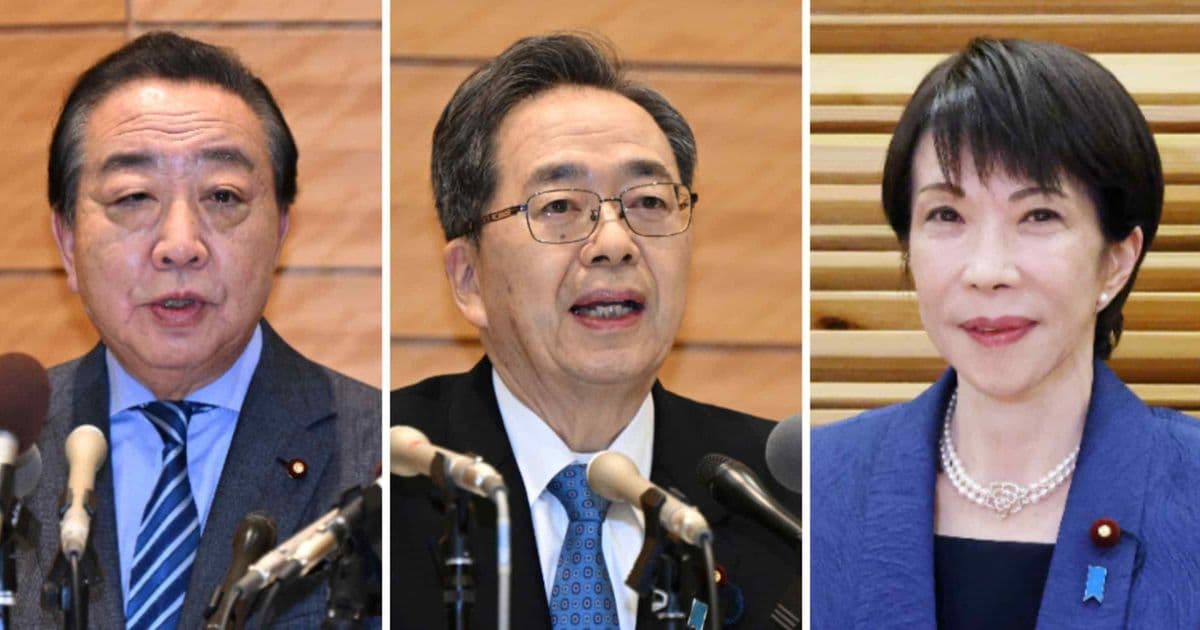
Japan's newly formed Centrist Reform Alliance positions itself as a moderate alternative to Prime Minister Sanae Takaichi's conservative policies, advocating fiscal restraint and diplomatic engagement with China ahead of anticipated elections.
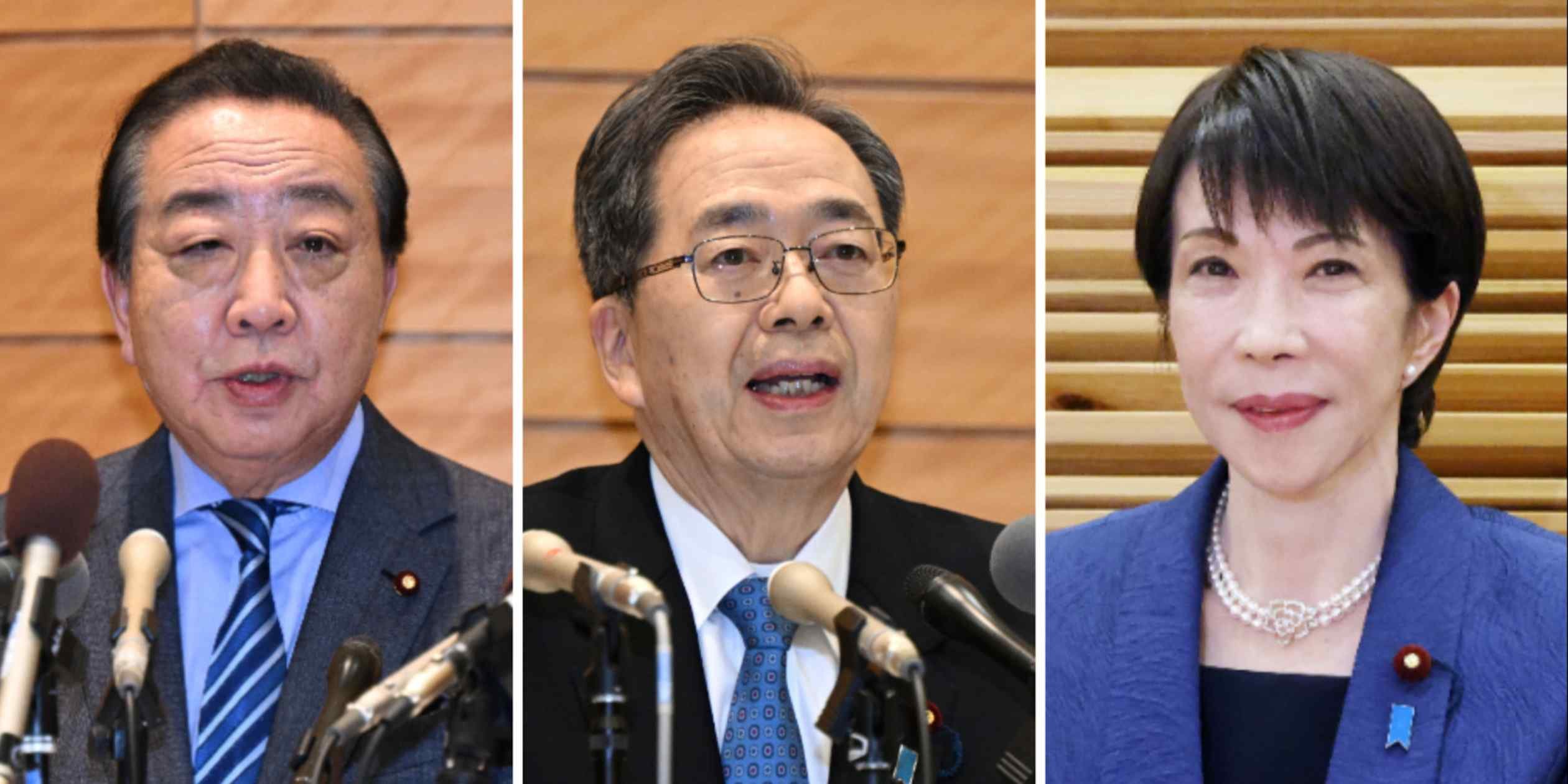
The Constitutional Democratic Party and Komeito formally launched their Centrist Reform Alliance on Friday, presenting a clear policy alternative to Prime Minister Sanae Takaichi's conservative government ahead of expected snap elections. The coalition explicitly positions itself against what it characterizes as Japan's political "rightward tilt," emphasizing fiscal discipline and less confrontational foreign policies.
CDP leader Yoshihiko Noda and Komeito chief Tetsuo Saito outlined five core priorities during their joint announcement: creating sustainable social security systems, building an inclusive society, doubling per capita GDP, implementing pragmatic diplomatic and defense policies, and advancing political reform. These pillars will anchor the alliance's platform, set for full release Monday.
Economic Contrasts The alliance directly challenges Takaichi's economic approach, particularly her administration's heavy reliance on deficit spending. Noda criticized the 18 trillion yen ($114 billion) supplementary budget—60% funded by bonds—warning that markets question Japan's fiscal sustainability amid a weakening yen and rising government bond yields.
"Outlining a credible path to fiscal consolidation is essential to address market concerns," Noda stated. The alliance proposes temporary consumption tax cuts financed without deficit-covering bonds, contrasting sharply with Takaichi's expansionary policies that opponents argue exacerbate inflation through yen depreciation.
Foreign Policy Divisions Diplomatic strategy presents another key battleground. The alliance advocates rebuilding dialogue with China following tensions over Takaichi's remarks on Taiwan. "Maintaining friendly relations with neighboring countries that allow for discussion reflects our commitment to centrist reform," Saito explained.
While acknowledging East Asia's security challenges, the coalition opposes Takaichi's proposals to lift defense spending beyond 2% of GDP and relax arms export restrictions. They reject any revision of Japan's pacifist constitution, specifically the clause prohibiting "war potential," and oppose modifying the nation's three non-nuclear principles.
Election Challenges With Takaichi expected to dissolve the lower house for elections potentially occurring in February, the alliance faces immediate tests. Their promises of generous household support to counter inflation risk accusations of election-oriented spending, particularly given limited details about funding mechanisms beyond consumption tax adjustments.
The coalition's stance on collective self-defense remains ambiguous. While the CDP historically sought to "remove unconstitutional parts" of relevant security legislation, internal disagreements persist about maintaining current provisions—highlighting tensions within the new alliance.
Political analysts note the coalition's success hinges on translating abstract centrist principles into concrete policies that resonate with voters concerned about economic instability and regional security. As Japan prepares for potential political upheaval, this alliance represents the most organized opposition to Takaichi's vision since her consolidation of power.
Comments
Please log in or register to join the discussion