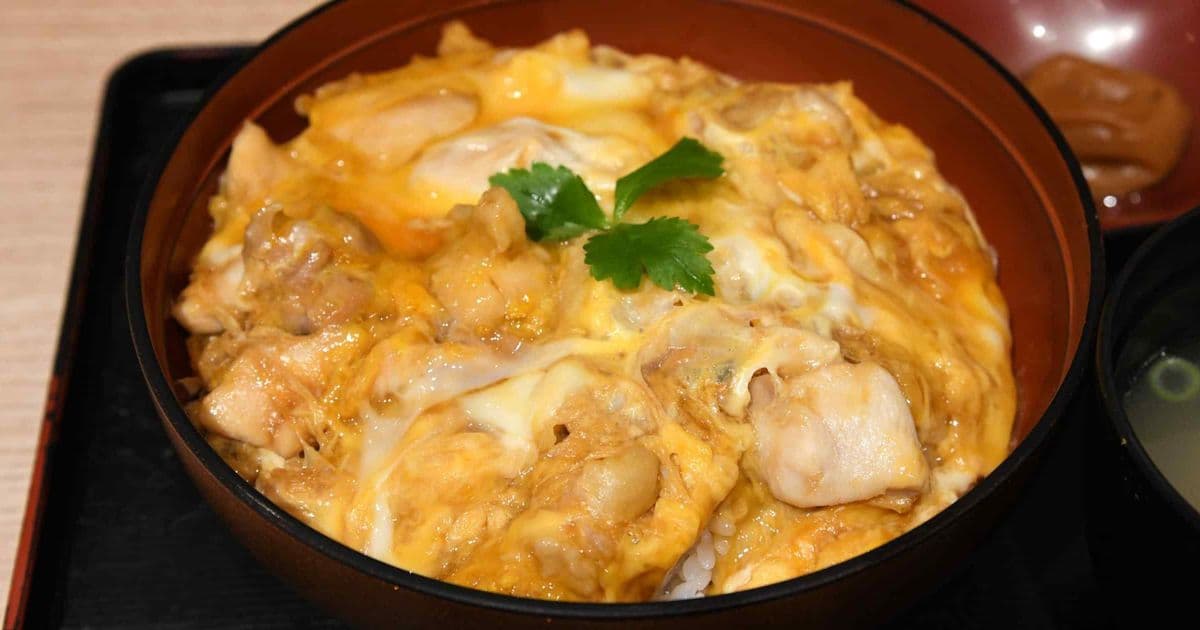
Old River, the operator of Japan's Tori Sanwa restaurant chain, is expanding into the Philippines, targeting markets in Asia and beyond as Japan's domestic restaurant market faces a projected shrinkage due to demographic decline.
Old River, the operator of the Tori Sanwa restaurant chain known for its signature oyakodon chicken rice bowls, is making a strategic move into the Philippines. This expansion represents a calculated response to Japan's shrinking restaurant market, which is expected to contract as the country's population continues to dwindle. The company is positioning itself for growth in Southeast Asian markets and beyond, leveraging Japan's culinary reputation in a region with a growing appetite for Japanese cuisine.
The Market Context: Japan's Demographic Headwinds
Japan's food service industry is confronting a significant structural challenge. The country's population has been in decline since its peak in 2008, with the National Institute of Population and Social Security Research projecting a drop from approximately 125 million in 2023 to below 100 million by 2053. This demographic shift directly impacts consumer markets, including restaurants, as the domestic customer base shrinks and ages.
The restaurant sector, in particular, faces a double bind: fewer potential customers and rising labor costs due to a tightening workforce. According to the Japan Food Service Association, the industry's total sales peaked at ¥26.6 trillion in 2019 and have struggled to recover to pre-pandemic levels, with many operators reporting stagnant or declining revenue. This environment is pushing established Japanese brands to look overseas for growth opportunities.
The Philippines presents a compelling alternative. With a population of over 110 million and a median age of just 25, the country offers a young, growing consumer base. Urbanization is accelerating, and disposable incomes are rising, particularly in Metro Manila and other major cities. Japanese cuisine has already established a foothold in the Philippines through chains like Yoshinoya, Coco Ichibanya, and various sushi and ramen establishments, creating market familiarity and reducing entry barriers for new Japanese brands.
Tori Sanwa's Strategic Positioning
Tori Sanwa, operated by Old River, has built its reputation in Japan on the strength of oyakodon—a traditional dish featuring chicken and egg simmered in a sweet-savory sauce, served over rice. The chain differentiates itself through a focus on quality ingredients and consistent preparation, targeting a mid-market segment that values authenticity without premium pricing.
The expansion into the Philippines follows a pattern seen across Japan's food and beverage sector. In recent years, several Japanese restaurant operators have pursued international growth as a hedge against domestic stagnation. For example, CoCo Ichibanya, the Japanese curry chain, has announced plans to open 100 outlets in India, while other brands have targeted Southeast Asia, the United States, and Europe.
Old River's strategy likely involves a phased approach, starting with a flagship location in Metro Manila before expanding to other urban centers. The company will need to adapt its menu to local tastes while maintaining the core appeal of its Japanese offerings. This balance is critical: while Filipino consumers appreciate Japanese food, local preferences for sweeter, spicier, or more substantial flavors may require menu adjustments.
Operational Challenges and Opportunities
Expanding into the Philippines presents both opportunities and challenges. On the positive side, the Philippines has a well-developed retail and dining infrastructure, particularly in urban areas. The country's English proficiency and familiarity with Western business practices can ease operational setup for foreign companies. Additionally, the Philippine government has been promoting foreign investment, including in the food sector, through various incentives.
However, Old River will face significant hurdles. Supply chain logistics for authentic Japanese ingredients—such as specific soy sauces, mirin, and high-quality chicken—could be complex and costly. The company may need to establish local sourcing partnerships or invest in import logistics to maintain quality standards. Labor is another consideration; while the Philippines has a large workforce, training staff to execute Japanese culinary techniques consistently requires investment in training programs.
Competition is also intensifying. The Philippines already hosts numerous Japanese restaurant chains, and local operators are increasingly incorporating Japanese elements into their menus. To stand out, Tori Sanwa will need to emphasize its specific expertise in oyakodon and related chicken dishes, potentially positioning itself as a specialist rather than a general Japanese restaurant.
Broader Industry Implications
Tori Sanwa's move reflects a broader trend of Japanese companies seeking growth abroad as domestic markets mature or decline. This pattern is visible across multiple sectors, from automotive and electronics to food and beverage. For the restaurant industry, international expansion offers a path to scale that is increasingly difficult to achieve in Japan.
The success of Tori Sanwa's Philippine venture could serve as a model for other mid-sized Japanese restaurant operators considering similar moves. If successful, it may encourage more brands to explore Southeast Asia, where Japanese cuisine has already gained significant traction. Conversely, if the expansion faces difficulties, it could prompt a more cautious approach, with companies focusing on markets closer to Japan or with stronger existing Japanese cultural ties.
For consumers in the Philippines, the expansion means greater choice and access to authentic Japanese dishes. It also contributes to the ongoing culinary exchange between Japan and Southeast Asia, which has accelerated in recent decades. As more Japanese brands enter the Philippine market, they bring not only food but also business practices, training standards, and cultural elements that can influence local industries.
Looking Ahead
The success of Tori Sanwa's Philippine expansion will depend on several factors: menu adaptation, supply chain management, marketing strategy, and operational execution. The company will need to invest in understanding local consumer preferences while maintaining the authenticity that defines its brand. Pricing will be another critical element; the chain must position itself competitively against both Japanese and local alternatives.
As Old River moves forward with its plans, the broader Japanese restaurant industry will be watching closely. The outcome will provide valuable data on the viability of international expansion for mid-sized Japanese food service operators. It may also influence how other companies approach their own growth strategies, balancing the risks of entering new markets against the challenges of stagnation at home.
For now, the rollout of oyakodon chicken rice bowls in the Philippines represents a pragmatic business decision—one that acknowledges demographic realities at home while betting on the appeal of Japanese cuisine in a dynamic Southeast Asian market. The move underscores how even traditional, home-focused businesses must adapt to global economic and demographic shifts to secure their future growth.
Comments
Please log in or register to join the discussion