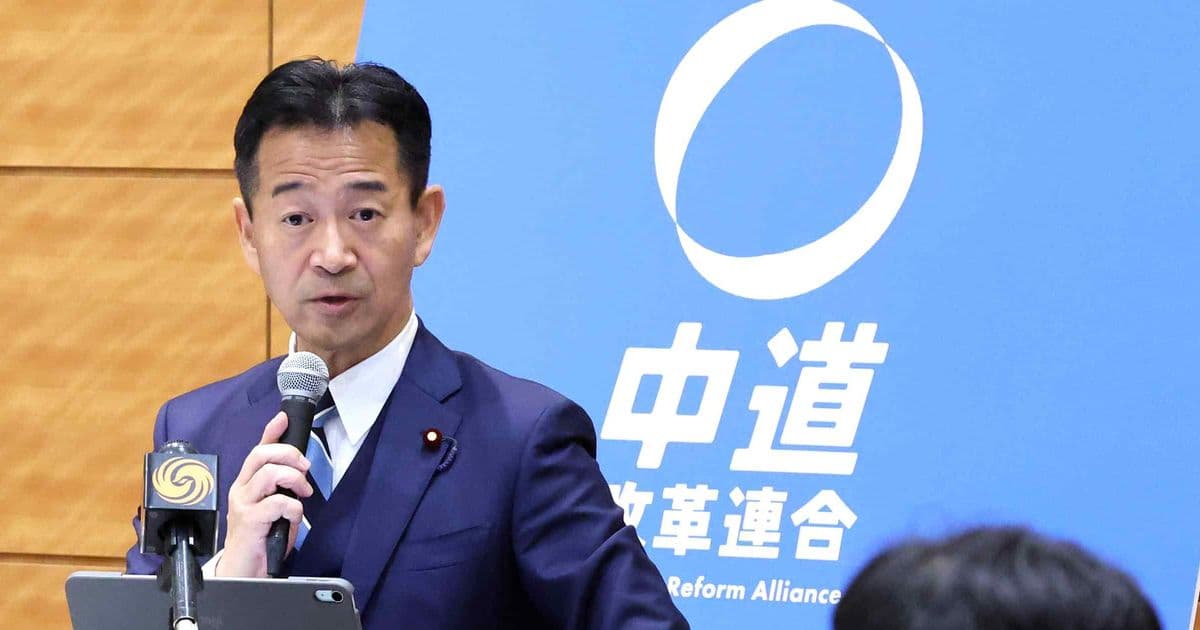
Japan's opposition party proposes a sovereign wealth fund to finance consumption tax cuts, sparking debate over state investment and fiscal strategy in the world's third-largest economy.
Japan's upcoming general election on February 8, 2026, has taken an unexpected turn with the main opposition camp proposing the creation of a sovereign wealth fund to finance a significant cut to the nation's consumption tax on food. This bold economic proposal, spearheaded by Mitsunari Okamoto of the Centrist Reform Alliance, has thrust Japan's fiscal strategy into the spotlight and ignited a heated debate about state investment and tax policy in the world's third-largest economy.
The Proposal: Tax Cuts Without Tax Increases
The opposition's plan centers on establishing a sovereign wealth fund that would generate new fiscal resources without requiring additional tax hikes. By investing state funds in various assets, the proposal aims to create returns that could offset the revenue lost from reducing the consumption tax on food items. This approach represents a significant departure from traditional fiscal policy, which typically relies on either tax increases or deficit spending to fund government initiatives.
Economic Context: Japan's Fiscal Challenges
Japan faces unique economic challenges that make this proposal particularly relevant. The country has the highest debt-to-GDP ratio among developed nations, exceeding 260% as of 2023. Despite this massive debt burden, Japan has maintained remarkably low interest rates for decades, creating an environment where traditional fiscal constraints appear less binding than in other economies.
The proposal comes at a time when Japan's ruling Liberal Democratic Party (LDP), led by Prime Minister Fumio Kishida, has been struggling with economic stagnation and demographic decline. The LDP's recent embrace of tax cuts mirrors a global shift toward populism, with governments worldwide seeking to stimulate consumer spending through fiscal measures.
The Sovereign Wealth Fund Debate
Creating a sovereign wealth fund would mark a significant shift in Japan's economic strategy. Currently, Japan does not operate a formal sovereign wealth fund, unlike many other developed nations. Norway's Government Pension Fund Global, for instance, manages over $1.4 trillion in assets, while Singapore's GIC manages more than $700 billion.
The proposal raises several critical questions:
- Investment Strategy: What assets would the fund invest in? Would it focus on domestic infrastructure, foreign equities, or alternative investments?
- Governance: How would the fund be managed to ensure transparency and prevent political interference?
- Risk Management: Given Japan's already substantial debt, how would the government manage the risks associated with large-scale state investment?
Political Implications
The sovereign wealth fund proposal represents a strategic move by the opposition to differentiate itself from the ruling LDP. Prime Minister Kishida's government has faced criticism for its handling of economic policy, particularly regarding inflation and wage growth. The opposition's plan offers a seemingly innovative solution to these challenges while promising immediate relief to consumers through tax cuts.
However, the proposal has not been without controversy. Critics argue that creating a sovereign wealth fund during a period of high national debt is fiscally irresponsible. They point to the potential for political misuse of investment decisions and the risks associated with market volatility.
Global Context: A Trend Toward Populist Economics
Japan's sovereign wealth fund debate reflects broader global trends in economic policy. Countries worldwide are grappling with similar challenges: how to stimulate growth, address inequality, and manage public debt in an era of low interest rates and demographic change.
In the United States, discussions about government investment in strategic industries have gained traction, particularly in areas like semiconductor manufacturing and green energy. European nations have similarly explored sovereign investment vehicles to support strategic objectives.
What This Means for Japan's Future
The outcome of this election could have profound implications for Japan's economic trajectory. If the opposition's proposal gains traction, Japan could embark on a new era of state-led investment, fundamentally altering its relationship with markets and its approach to fiscal policy.
Even if the proposal doesn't immediately succeed, it has already shifted the economic debate in Japan. The idea of using sovereign investment to fund public services represents a significant departure from traditional fiscal orthodoxy and could influence future policy discussions regardless of the election outcome.
Looking Ahead
As Japan prepares for this pivotal election, the sovereign wealth fund proposal serves as a reminder of the innovative approaches governments are considering to address complex economic challenges. Whether this particular idea succeeds or fails, it reflects a broader willingness to explore unconventional solutions to persistent problems of growth, debt, and demographic change.
The debate also highlights the tension between fiscal conservatism and the need for economic stimulus in an era of low growth. As Japan, like many developed nations, seeks to balance these competing priorities, the outcome of this election could provide valuable insights into the future of economic policy in aging societies with high debt burdens.
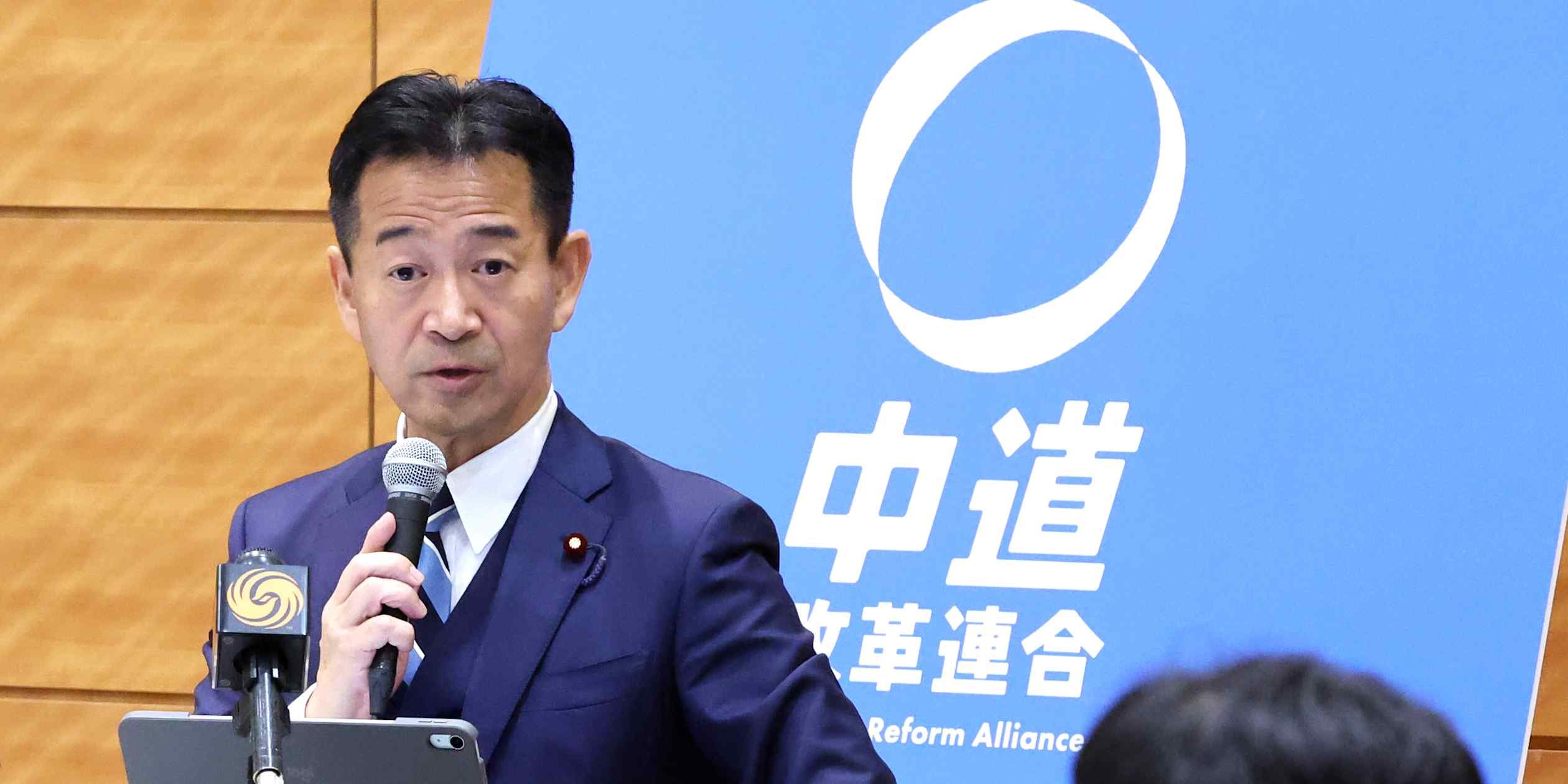
The sovereign wealth fund proposal represents more than just an election platform; it embodies a fundamental question about the role of state investment in modern economies. As Japan votes, the world will be watching to see whether this bold economic experiment gains the mandate it needs to reshape one of the world's most important economies.
Comments
Please log in or register to join the discussion