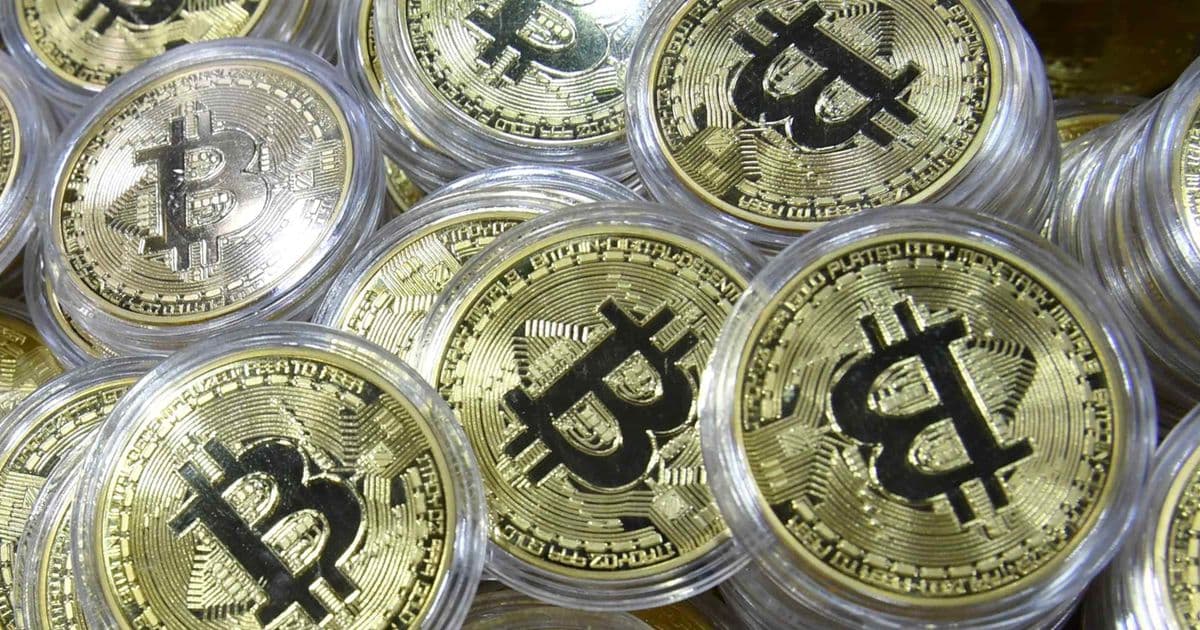
Japan's Financial Services Agency is preparing to add cryptocurrencies to the list of assets eligible for exchange-traded funds, with Nomura and SBI Holdings among the financial groups poised to launch the first products. The move would give retail investors regulated, exchange-traded access to digital assets, following similar approvals in the U.S. and Hong Kong. Industry estimates suggest Japanese crypto ETFs could eventually reach 1 trillion yen ($6.4 billion) in assets.
Japan's Financial Services Agency (FSA) is planning to authorize cryptocurrency exchange-traded funds (ETFs) as early as 2028, according to sources familiar with the matter reported by Nikkei Asia. The regulatory shift would add digital assets like bitcoin to the list of specified assets eligible for ETFs in Japan, while introducing stronger investor protection measures.
The move would mark a significant evolution in Japan's approach to digital assets, providing a regulated, exchange-traded vehicle for retail investors to gain exposure to cryptocurrencies. Major Japanese financial institutions Nomura Holdings and SBI Holdings are reportedly among the groups preparing to launch the country's first crypto ETFs, which would require approval for listing on the Tokyo Stock Exchange.
Regulatory Context and Market Implications
The FSA's decision comes as global regulators increasingly accept cryptocurrency ETFs as legitimate investment products. The United States approved its first spot bitcoin ETFs in January 2024, with products from BlackRock, Fidelity, and others now managing approximately $120 billion in net assets. Hong Kong followed suit later in 2024, approving several spot crypto ETFs.
Japan's regulatory approach has historically been cautious regarding cryptocurrencies. The country implemented strict rules for crypto exchanges in 2017 following the Mt. Gox hack, requiring exchanges to register with the FSA and maintain robust security and anti-money laundering protocols. The planned ETF approval represents a maturation of this regulatory framework, balancing innovation with investor protection.
Investment Landscape and Institutional Adoption
Cryptocurrencies have evolved from a niche technology into a recognized alternative asset class. Global crypto market capitalization has tripled over the past three years to approximately $3 trillion. This growth has attracted significant institutional capital, with pension funds, university endowments (including Harvard), and government-affiliated investors incorporating bitcoin ETFs into their portfolios.
For retail investors, cryptocurrency ETFs offer several advantages over direct ownership of digital tokens. Traditional crypto ownership requires setting up digital wallets, managing private keys, and navigating cryptocurrency exchanges—processes that many find complex and intimidating. ETFs trade on conventional stock exchanges using familiar brokerage accounts, providing the same ease of access as buying shares of Apple or Toyota.
Market Potential and Industry Estimates
Some analysts in Japan's asset management industry project that domestic crypto ETFs could eventually reach 1 trillion yen (approximately $6.4 billion) in assets under management. This estimate reflects both Japan's substantial retail investor base and the growing acceptance of digital assets as portfolio diversifiers.
The potential market size is significant given Japan's household financial assets, which total approximately 2,000 trillion yen. Even a small allocation from this pool could generate substantial demand for crypto ETFs. Japanese investors have shown interest in alternative assets, with many seeking diversification beyond traditional domestic stocks and bonds.
Technical and Operational Considerations
Crypto ETFs typically hold the underlying digital assets in custody with regulated custodians. For spot bitcoin ETFs, this involves purchasing and securely storing actual bitcoin. The ETF shares represent ownership of these underlying assets, with prices tracking the cryptocurrency's market value minus fees.
The operational framework for Japanese crypto ETFs would likely mirror existing structures used for other asset classes. Authorized participants would create and redeem ETF shares based on demand, while market makers would provide liquidity on the Tokyo Stock Exchange. The FSA's proposed safeguards would likely include requirements for:
- Qualified custodians for digital asset storage
- Regular audits and transparency reporting
- Risk disclosure requirements for retail investors
- Limits on leverage and speculative trading
Competitive Landscape
Nomura Holdings and SBI Holdings are well-positioned to capitalize on this opportunity. Nomura, Japan's largest brokerage, has been expanding its digital asset capabilities and already offers crypto custody services to institutional clients. SBI Holdings, through its SBI Crypto Investment subsidiary, has been actively involved in the cryptocurrency space and operates a crypto exchange.
Other Japanese financial institutions, including Mitsubishi UFJ Financial Group and Mizuho Financial Group, may also enter the market. The competition could drive innovation in product design, fee structures, and investor education.
Regional Context and Timing
The 2028 timeline allows time for regulatory rule-making, industry preparation, and market infrastructure development. The FSA will need to draft specific guidelines for crypto ETFs, consult with industry participants, and establish monitoring frameworks. The Tokyo Stock Exchange would also need to update its listing rules and trading systems to accommodate crypto ETFs.
This timeline positions Japan to join a growing list of jurisdictions with regulated crypto investment products. While the U.S. and Hong Kong moved earlier, Japan's approach may benefit from observing the evolution of those markets and addressing any regulatory gaps identified during implementation.
Investor Implications
For Japanese retail investors, crypto ETFs would provide a regulated, transparent way to participate in the digital asset market. The products would be subject to Japan's existing investor protection rules, including suitability assessments and disclosure requirements. This contrasts with direct cryptocurrency trading, which operates in a less regulated environment.
Institutional investors would also gain a new tool for portfolio construction. While many large institutions have already accessed crypto through U.S. ETFs or direct holdings, domestic Japanese products would offer local regulatory clarity and potentially better tax treatment.
The approval would also signal Japan's commitment to maintaining competitiveness in financial innovation. As other Asian markets like Singapore and Hong Kong develop their digital asset ecosystems, Japan's move helps ensure its financial sector remains relevant in the evolving global landscape.
Looking Ahead
The path to 2028 will involve several milestones. The FSA must first formally propose adding cryptocurrencies to the ETF asset list, followed by a public comment period and rule finalization. Financial institutions will need to develop products, establish custody arrangements, and prepare for regulatory approval. The Tokyo Stock Exchange will need to update its systems and listing requirements.
Industry participants will also need to address ongoing concerns about cryptocurrency volatility, market manipulation, and cybersecurity risks. The FSA's emphasis on stronger safeguards suggests regulators will require robust risk management practices and clear investor communications.
Japan's move toward crypto ETFs reflects a broader global trend of institutional adoption of digital assets. As the market matures and regulatory frameworks solidify, cryptocurrencies are increasingly viewed as a legitimate component of diversified investment portfolios. For Japan's financial sector, this represents both an opportunity to serve evolving investor needs and a challenge to maintain rigorous standards in a rapidly evolving asset class.
The success of crypto ETFs in Japan will ultimately depend on investor demand, product design, and the ability of financial institutions to effectively communicate both the opportunities and risks of cryptocurrency investment. With the 2028 timeline now in sight, Japan's financial industry has a clear runway to prepare for this significant market development.
Comments
Please log in or register to join the discussion