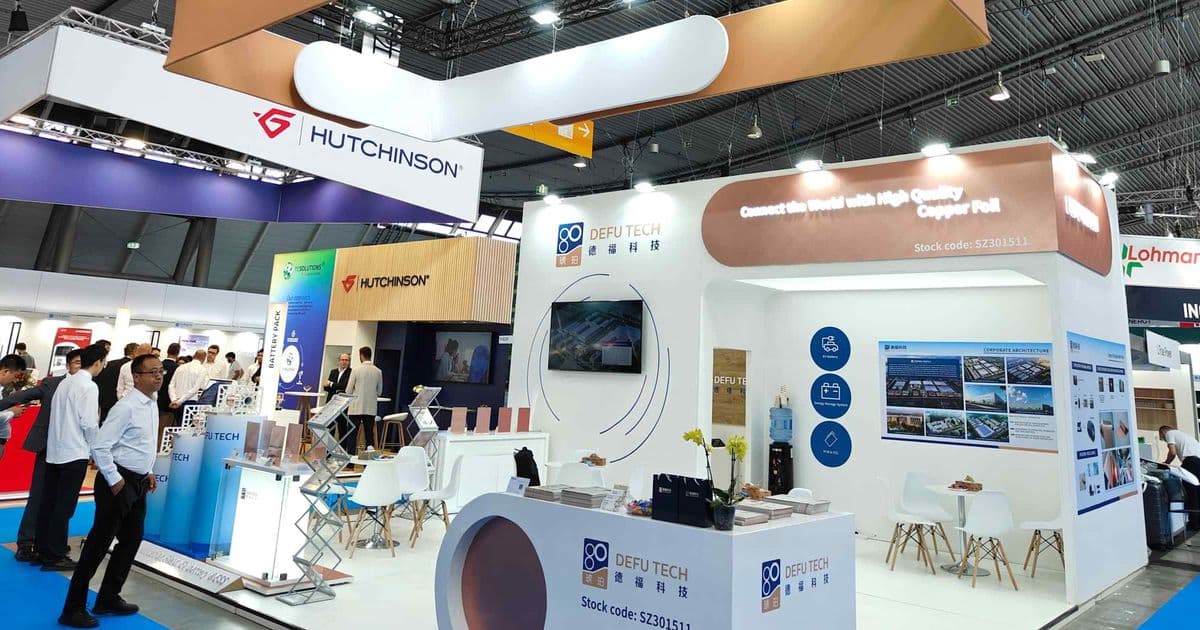
Chinese EV battery component manufacturer Jiujiang Defu Technology has terminated its planned $200 million acquisition of a Luxembourg-based peer after facing unexpected regulatory restrictions, signaling continued hurdles for Chinese investments in European strategic sectors.
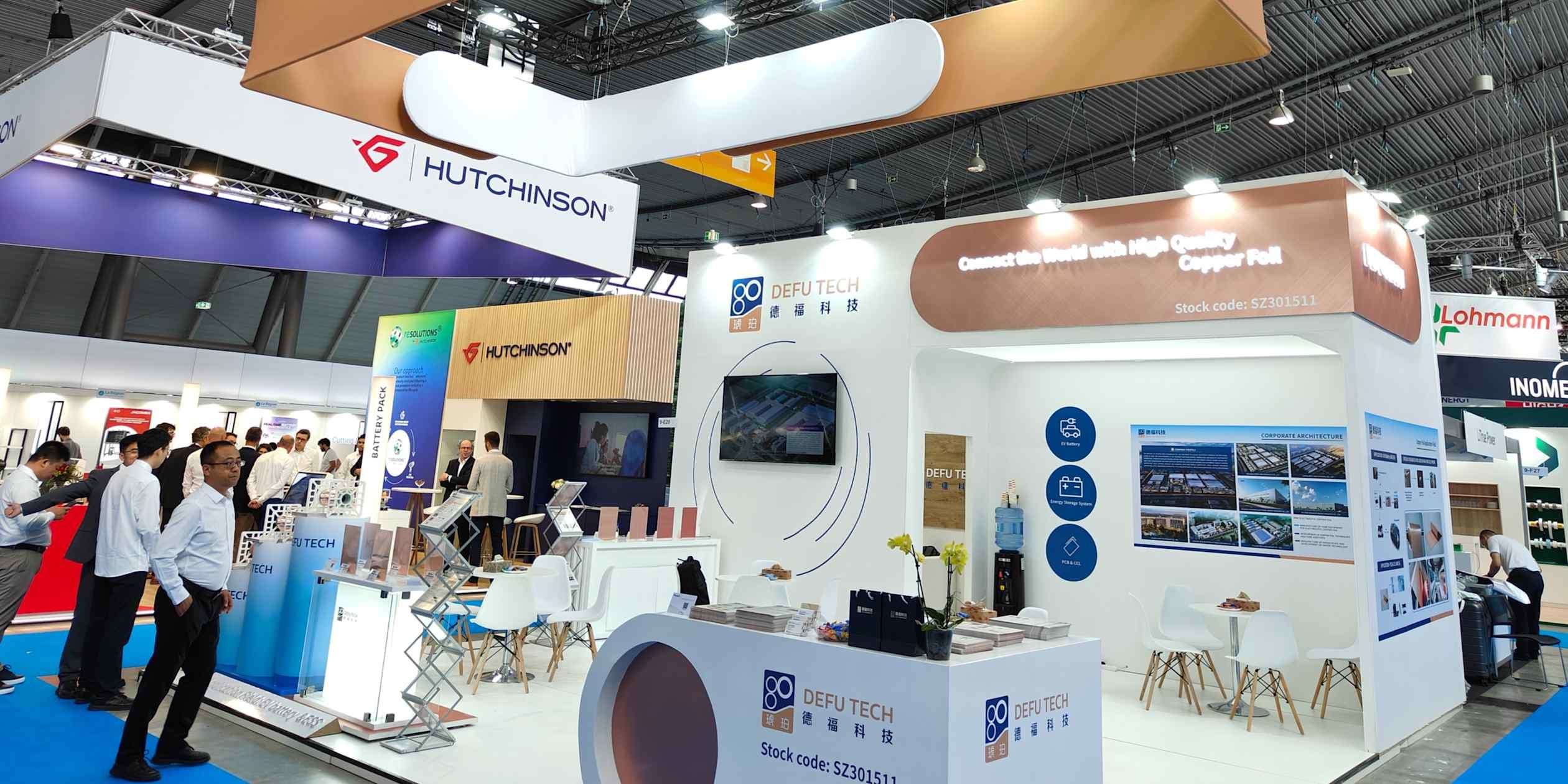
Jiujiang Defu Technology, a key Chinese supplier of electric vehicle battery components, has scrapped its planned $200 million acquisition of a Luxembourg-based industry peer. The company confirmed the termination on January 12, 2026, citing "extra local restrictions" imposed by Luxembourg authorities as the primary reason for the deal's collapse.
This failed transaction occurs against a backdrop of intensifying European regulatory scrutiny of Chinese investments, particularly within strategic sectors like electric vehicle supply chains. Luxembourg, despite its small size, maintains significant influence as a European financial hub and has recently aligned with broader EU efforts to scrutinize foreign investments more rigorously.
The collapse highlights concrete financial consequences of geopolitical friction: Jiujiang Defu's planned $200 million investment—representing approximately 15% of its current market capitalization—is now redirected. More significantly, it demonstrates how regulatory barriers are reshaping global supply chain strategies. European regulators have grown increasingly wary of Chinese ownership in critical technology sectors, with battery components being particularly sensitive due to the continent's $250 billion push toward EV adoption by 2030.
Market data reveals this isn't an isolated case. Cross-border M&A activity between Chinese firms and European tech companies fell 38% year-over-year in 2025, according to Dealogic. The EV battery sector specifically saw three similar deal cancellations exceeding $500 million in aggregate value last year. Luxembourg's move follows Germany's recent blocking of a Chinese takeover of a semiconductor firm and the UK's intervention in the Nexperia-Newport Wafer Fab case.
For Jiujiang Defu, the cancellation forces strategic recalibration. The company derived 22% of its 2025 revenue from European markets, and this acquisition was central to its plan to increase that share to 35% by 2028. Competitors like CATL and BYD have navigated European expansion through joint ventures rather than acquisitions, suggesting alternative pathways remain viable despite regulatory friction.
The implications extend beyond a single company. European battery manufacturers face a delicate balancing act: While localizing supply chains reduces dependence on Asian imports, excluding established Chinese suppliers could delay production timelines. Industry analysts note that replacing Chinese battery components often adds 15-20% to manufacturing costs due to lower production efficiency outside Asia.
As regulatory environments solidify, expect Chinese firms to pivot toward partnerships over acquisitions in strategic markets. Meanwhile, European authorities continue developing frameworks like the Critical Raw Materials Act, which could further reshape investment patterns in the $130 billion global battery component market.
Comments
Please log in or register to join the discussion