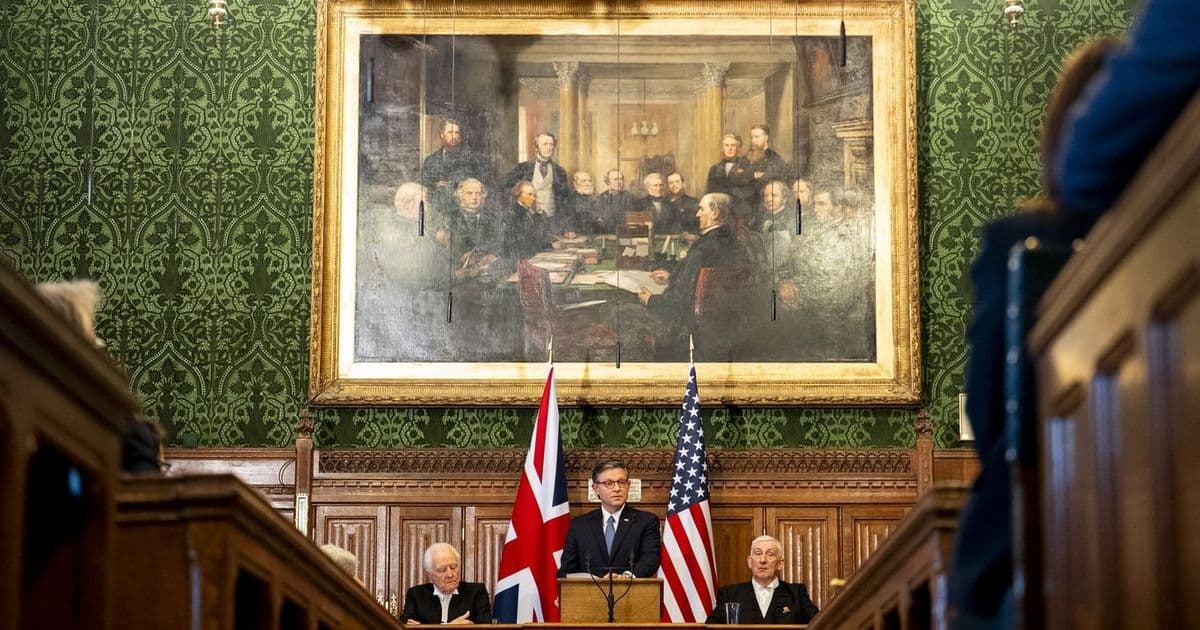
House Speaker Mike Johnson navigates a critical government funding deadline with a multi-tiered spending approach, seeking to prevent economic disruption while managing GOP divisions.
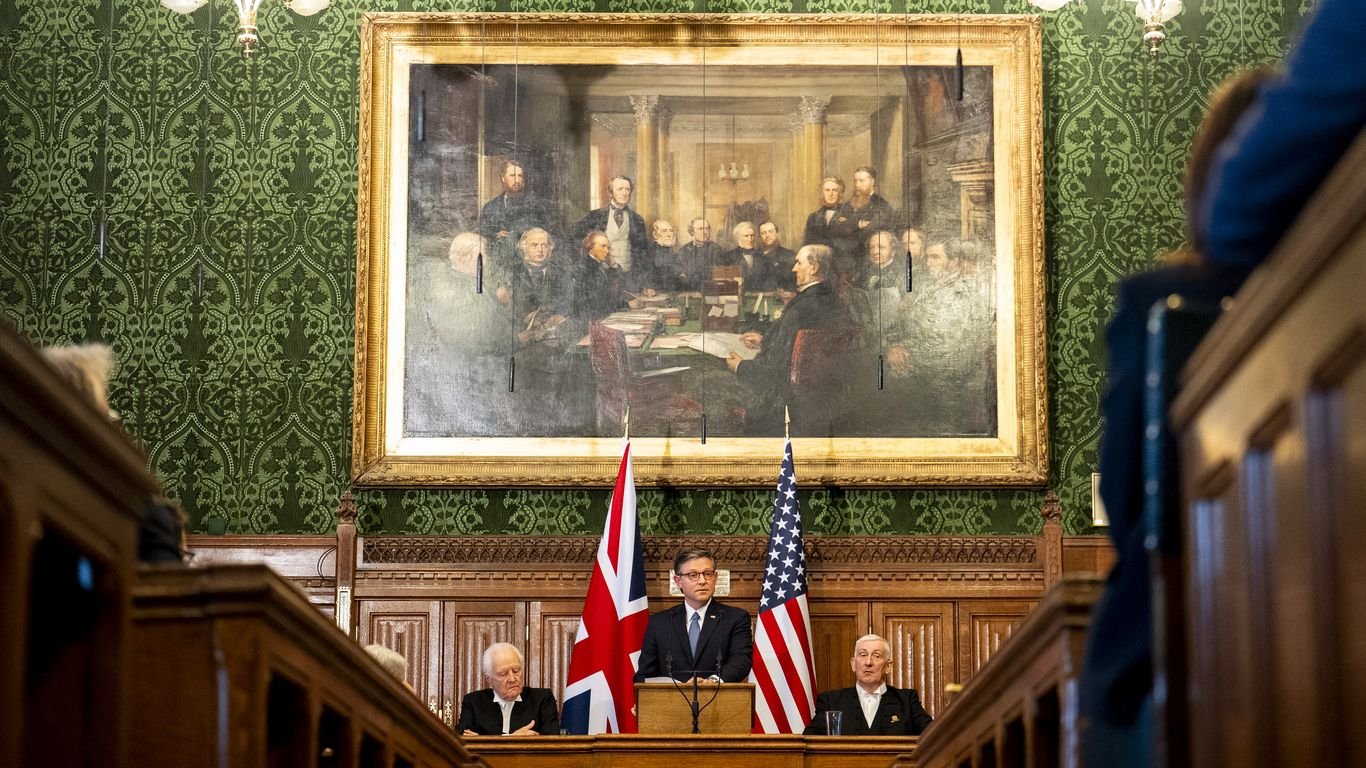
U.S. House Speaker Mike Johnson is advancing an unconventional two-step government funding proposal ahead of November 17th deadlines, aiming to prevent a shutdown that could cost the economy $6 billion weekly according to S&P Global analysis. The strategy involves separating funding deadlines—November 17th for some agencies and February 2nd for others—to ease passage while negotiating broader spending levels. This approach comes as Moody's recently downgraded the U.S. credit outlook to negative, citing fiscal governance risks.
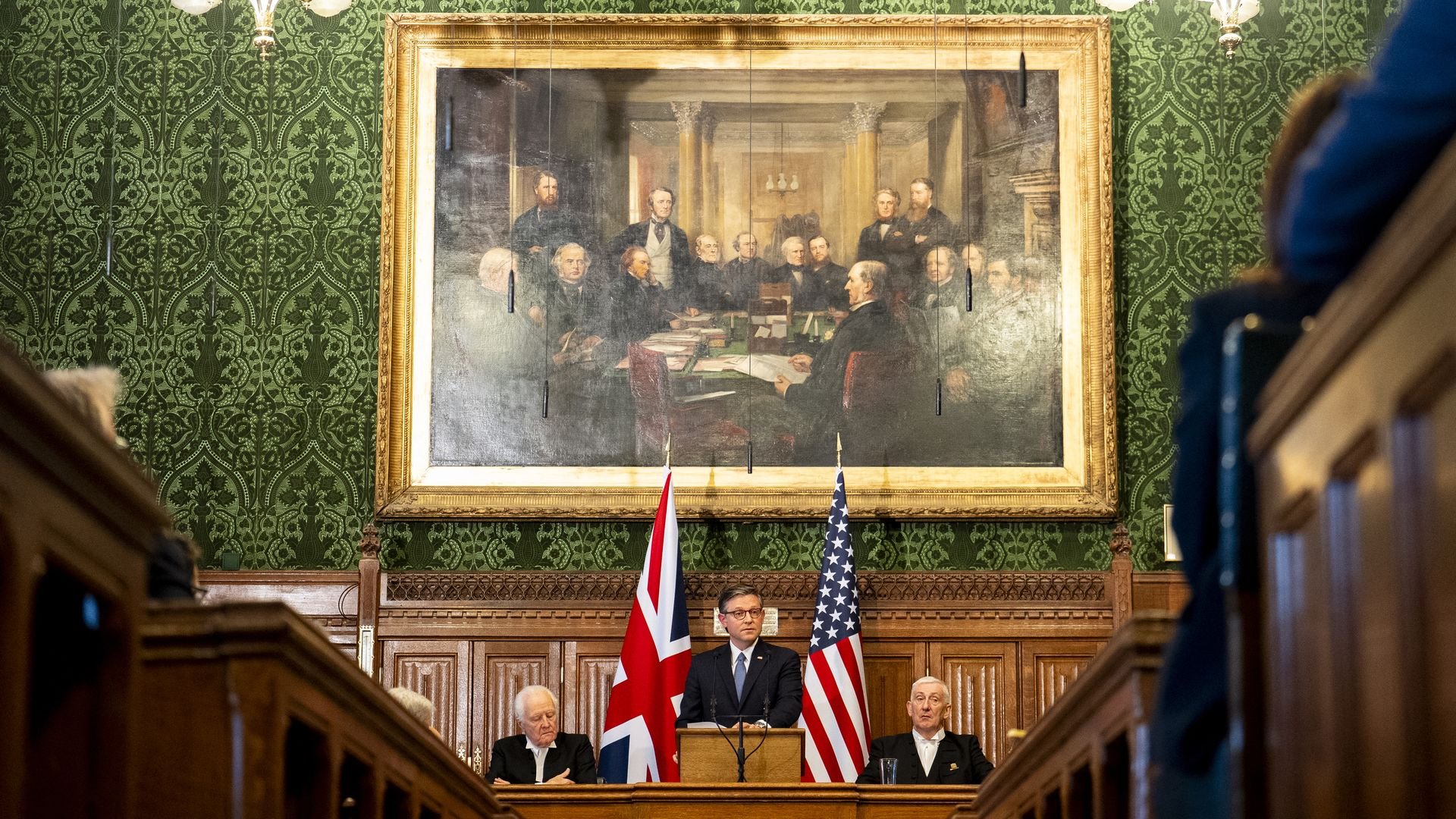
Market implications intensify as shutdown risks mount. A full shutdown would immediately freeze $1.9 trillion in annual discretionary spending, directly impacting defense contractors like Lockheed Martin (NYSE: LMT), which derives 70% of revenue from U.S. government contracts. Small federal vendors face acute liquidity pressure—during the 2018-2019 shutdown, contractor delays cost small businesses over $2.3 billion in missed payments according to the Government Accountability Office. Treasury yields have risen 14 basis points since October as investors price in fiscal uncertainty.
Johnson's tiered strategy attempts to balance fiscal conservatives demanding spending cuts against operational realities. The plan sidesteps a traditional omnibus bill by creating interim deadlines, but requires Democratic support given slim GOP margins. Failure risks compounding economic headwinds: Goldman Sachs estimates a shutdown would reduce Q4 GDP growth by 0.2% weekly while amplifying equity volatility. The VIX index, Wall Street's fear gauge, has climbed 9% since September as negotiations intensify.
Critical unresolved items include $106 billion in supplemental requests for Ukraine, Israel, and border security funding—a package affecting defense industrial stocks from Raytheon (NYSE: RTX) to ammunition manufacturers. Johnson must reconcile demands for 8% non-defense cuts against Senate proposals holding discretionary spending flat. With federal payrolls representing 2.3% of U.S. employment, prolonged disruption could dent consumer spending in government-heavy regions like Washington D.C. and Maryland.
Strategic implications extend beyond immediate funding. Johnson's maneuver tests whether fragmented congressional control can sustain basic governance without triggering market shocks. For investors, the deadlock highlights structural fiscal pressures as U.S. debt service costs approach $1 trillion annually. Resolution this week would provide temporary certainty, but February's second deadline looms as the next fiscal inflection point for business planning and market stability.
Comments
Please log in or register to join the discussion