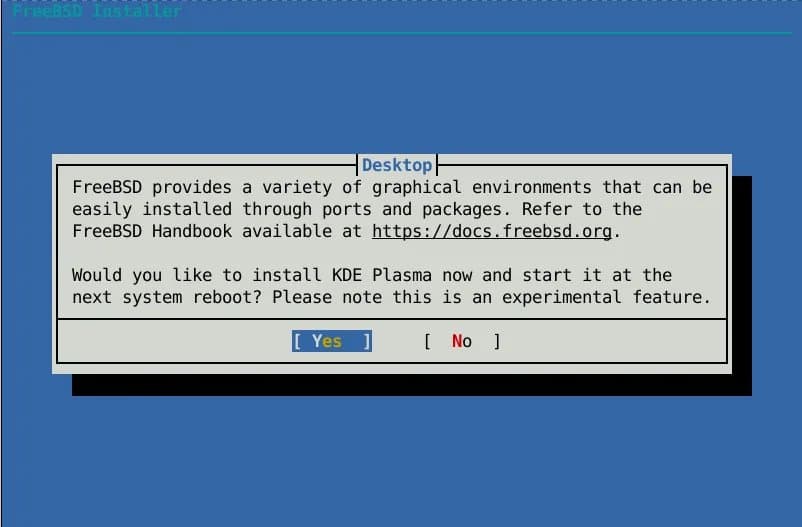
FreeBSD 15.1 is set to improve laptop support with KDE Plasma 6 installation, enhanced Realtek WiFi drivers, and updated graphics stack.
FreeBSD 15.1 is shaping up to be a significant release for laptop users, with the FreeBSD Foundation's ongoing laptop initiative delivering tangible improvements. The upcoming June release will introduce KDE Plasma 6 as an installation option from the text-based installer, finally bringing a modern desktop environment to FreeBSD's mainstream installation process after missing the FreeBSD 15.0 deadline.
One of the most practical additions is expanded Realtek WiFi support. FreeBSD 15.1 will include drivers for WiFi 4 and WiFi 5 hardware using the RTW88 and RTW89 chipsets, addressing a long-standing pain point for laptop users. While developers continue working on WiFi 6 support and broader network stack improvements, this update covers the vast majority of current laptop WiFi hardware.
The graphics driver situation is also improving, with FreeBSD developers porting Linux 6.11's open-source graphics drivers to the platform. This cross-pollination from Linux's more actively maintained graphics stack should help FreeBSD keep pace with modern hardware support and performance optimizations.
Power management remains a focus area, with ongoing work on s0ix modern standby support, S4 hibernation, and other power-related features that directly impact laptop usability. These improvements are crucial for making FreeBSD competitive as a laptop operating system.
For those interested in tracking progress, the February 2026 status update is available on GitHub, detailing the steady advancement of these features. The FreeBSD Foundation's investment in laptop support appears to be paying dividends, with FreeBSD 15.1 poised to offer a much more polished experience for users wanting to run the operating system on modern portable hardware.
The combination of KDE Plasma 6 availability, better WiFi driver support, and updated graphics drivers makes FreeBSD 15.1 worth watching for anyone interested in BSD on laptops. While FreeBSD has traditionally been stronger on servers and embedded systems, these improvements could help it gain traction in the desktop and laptop space where hardware compatibility has often been a barrier to adoption.
Comments
Please log in or register to join the discussion