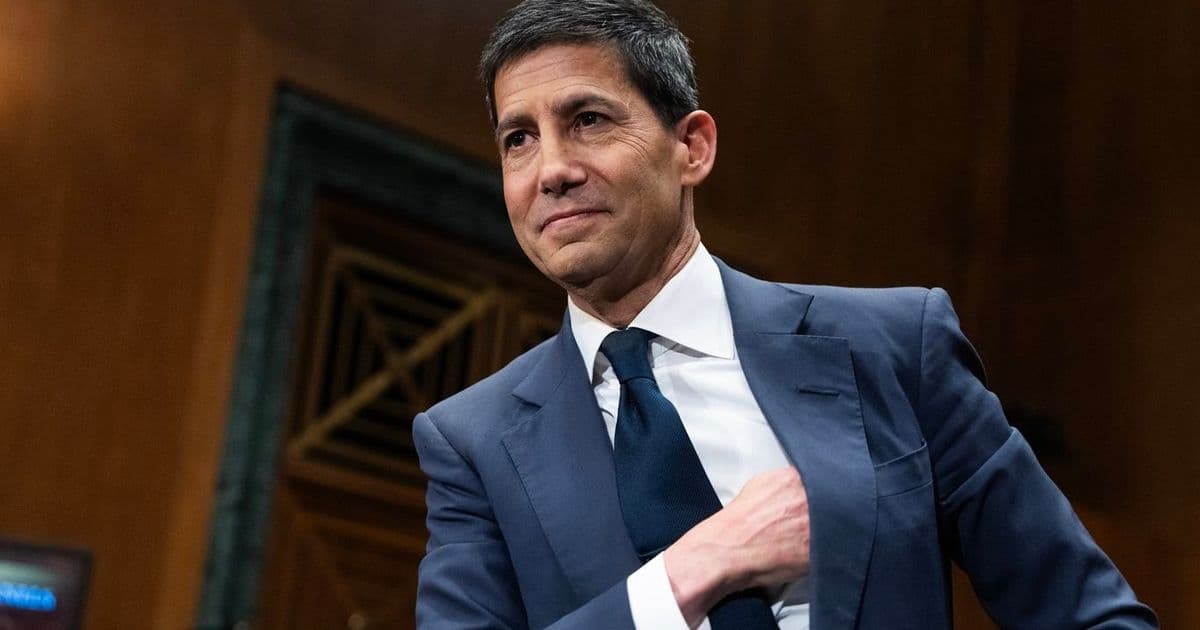
Kevin Warsh's confirmation as Federal Reserve Chair marks a significant shift in monetary policy direction, with potential implications for interest rates, inflation control, and financial market stability in an increasingly complex economic landscape.
The Senate has confirmed Kevin Warsh to lead the Federal Reserve, a appointment that signals potential changes in monetary policy approach as the central bank navigates persistent inflation concerns and economic uncertainty. 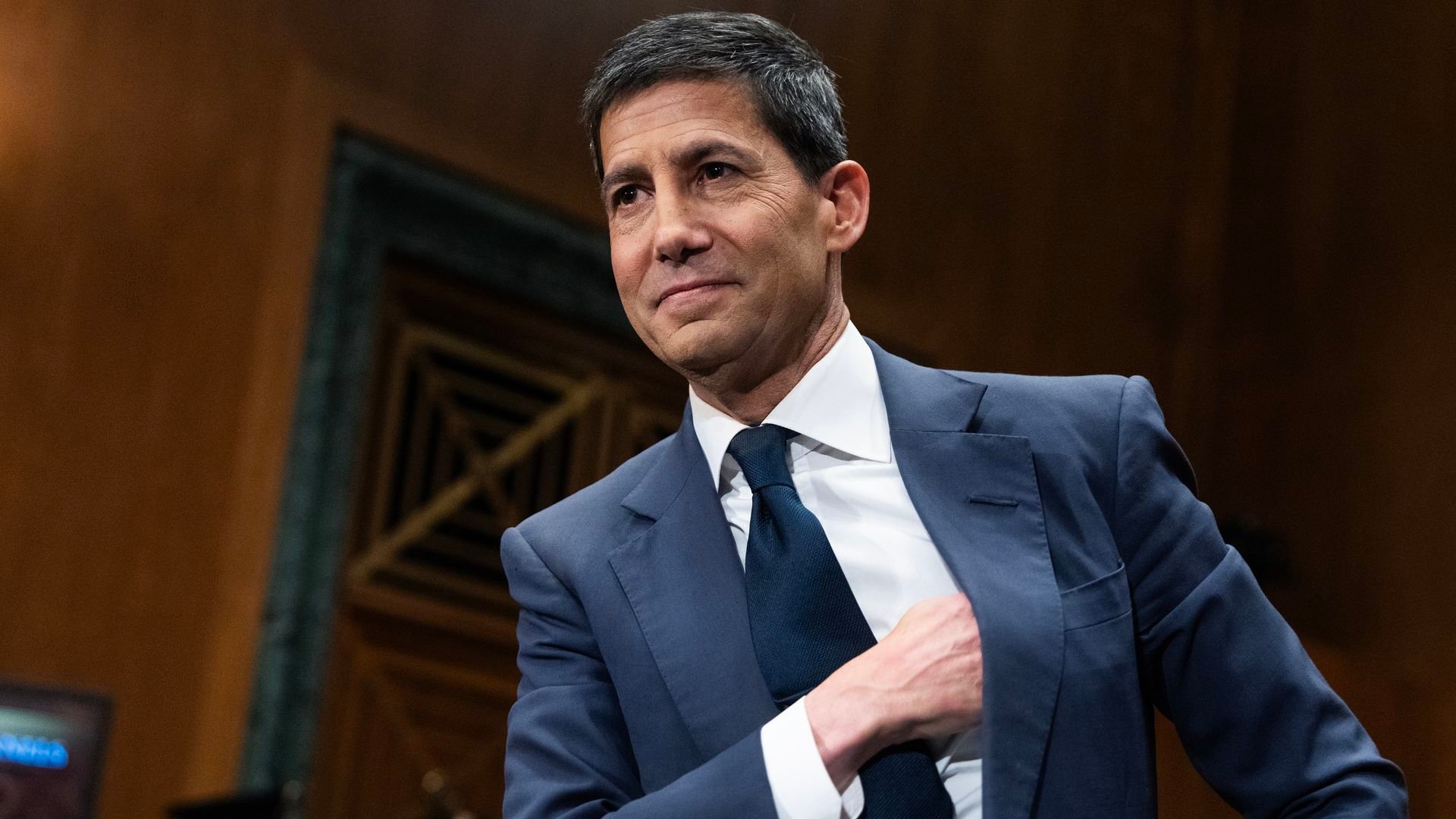
Appointment and Background
Kevin Warsh, a former Federal Reserve governor and distinguished visiting fellow at the Hoover Institution, brings extensive experience in monetary policy and financial regulation to the role. His confirmation follows a rigorous vetting process that examined his views on inflation, banking regulation, and the Fed's balance sheet management.
Warsh served on the Federal Reserve's Board of Governors from 2006 to 2008, including a period as chair of the Committee on Supervision and Regulation. He later advised presidential campaigns on economic matters and has maintained relationships with both Wall Street and Washington policy circles.
Current Economic Context
The Federal Reserve faces a challenging environment characterized by:
- Inflation running above the Fed's 2% target for 18 consecutive months
- GDP growth showing signs of moderation
- Labor market remaining tight with unemployment near 3.5%
- Federal funds rate at 5.25-5.50%, the highest level since 2001
These conditions create a delicate balancing act for the incoming chair, who must weigh the risks of tightening policy further against the potential economic slowdown.
Strategic Implications
Warsh's appointment suggests several potential shifts in monetary policy:
Inflation Approach
Warsh has historically emphasized inflation control as the Fed's primary mandate. In a 2021 speech at the Economic Club of New York, he stated: "Price stability is the bedrock condition for maximum employment and a healthy economy." This hawkish stance may signal continued resistance to premature rate cuts despite market expectations.
Balance Sheet Management
The Fed's balance sheet, expanded to $8.9 trillion during the pandemic, remains a critical policy tool. Warsh has expressed concerns about the Fed's large holdings and may accelerate the balance sheet reduction process, potentially putting upward pressure on long-term interest rates.
Regulatory Framework
As former chair of the Fed's supervision committee, Warsh brings deep regulatory expertise. His approach may emphasize stronger oversight of large financial institutions while potentially streamlining certain regulatory burdens on community banks.
Market Impact
Financial markets have reacted to the confirmation with mixed signals:
- Treasury yields rose initially on expectations of continued hawkish policy
- Equity markets showed volatility as investors reassess rate cut expectations
- The dollar strengthened against major currencies
Analysts at Goldman Sachs have adjusted their rate projection timeline, now expecting only two 25-basis-point cuts in 2024, down from four previously. This shift reflects Warsh's likely influence on the Federal Open Market Committee's decision-making process.
Historical Perspective
Warsh's appointment comes at a pivotal moment in Fed history. The last time the central bank faced similar inflationary pressures was in the early 1980s under Paul Volcker, who implemented aggressive rate hikes that ultimately brought inflation under control but at significant economic cost.
Unlike Volcker, however, Warsh will not have the luxury of a clean slate. Today's Fed operates with a complex balance sheet, operates in a globalized financial system, and must navigate political pressures while maintaining independence.
International Considerations
The Federal Reserve's decisions have global ramifications. Warsh's approach may strengthen the dollar's international position, affecting emerging markets that have borrowed in dollars. His views on international coordination will be closely watched, particularly as other central banks grapple with similar inflation challenges.
Conclusion
Kevin Warsh's confirmation as Federal Reserve Chair represents a significant development in U.S. monetary policy. His background, experience, and policy orientation suggest a continuation of inflation-focused approach with potential differences in implementation compared to his predecessor. Markets will be closely watching his testimony, speeches, and policy decisions for signals about the future path of interest rates and the Fed's approach to its balance sheet.
As the central bank faces one of its most challenging periods in recent history, Warsh's leadership will be tested by the competing demands of price stability, maximum employment, and financial stability. The economic consequences of his policy decisions will extend far beyond U.S. borders, influencing global financial markets and economic growth for years to come.
Comments
Please log in or register to join the discussion