Japanese consumers are facing unprecedented SSD price hikes, with some models costing up to 300% more than international prices, as the global semiconductor industry continues to grapple with AI-driven storage demands.
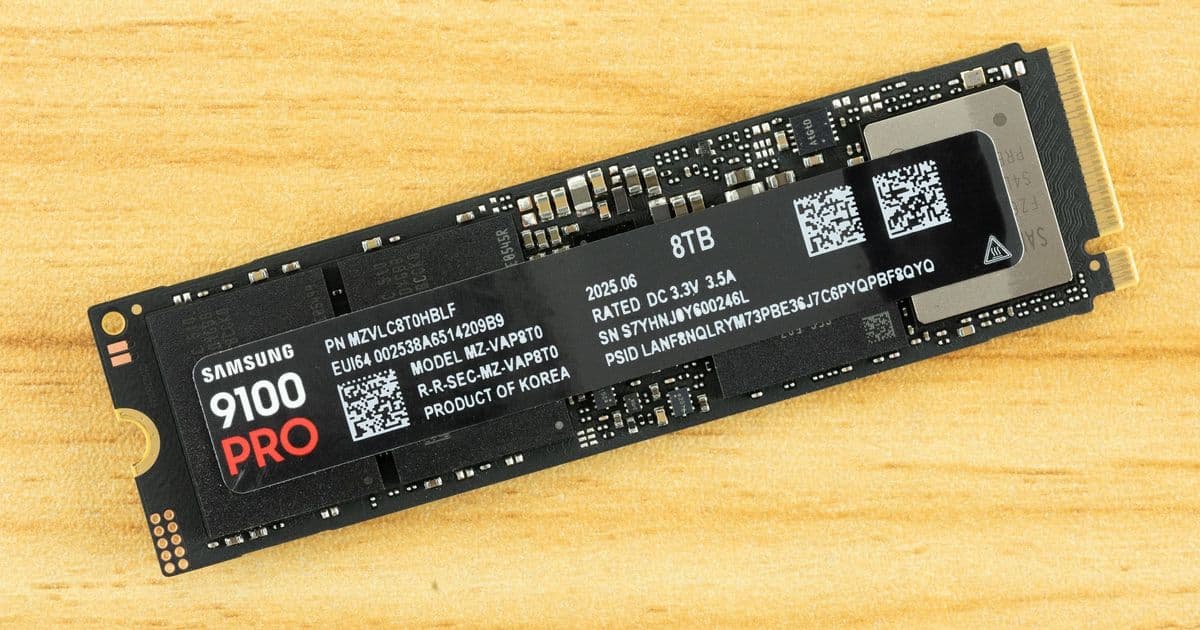
The global semiconductor industry is experiencing unprecedented price volatility, with Japanese consumers bearing the brunt of SSD cost increases that have reached staggering levels. According to market reports from Akiba PC Hotline!, Samsung SSDs have increased by up to 300% in various computer retailers across Tokyo, with the premium 8TB Samsung 9100 Pro commanding prices as high as $3,470.97 USD (547,980 JPY) at current exchange rates.
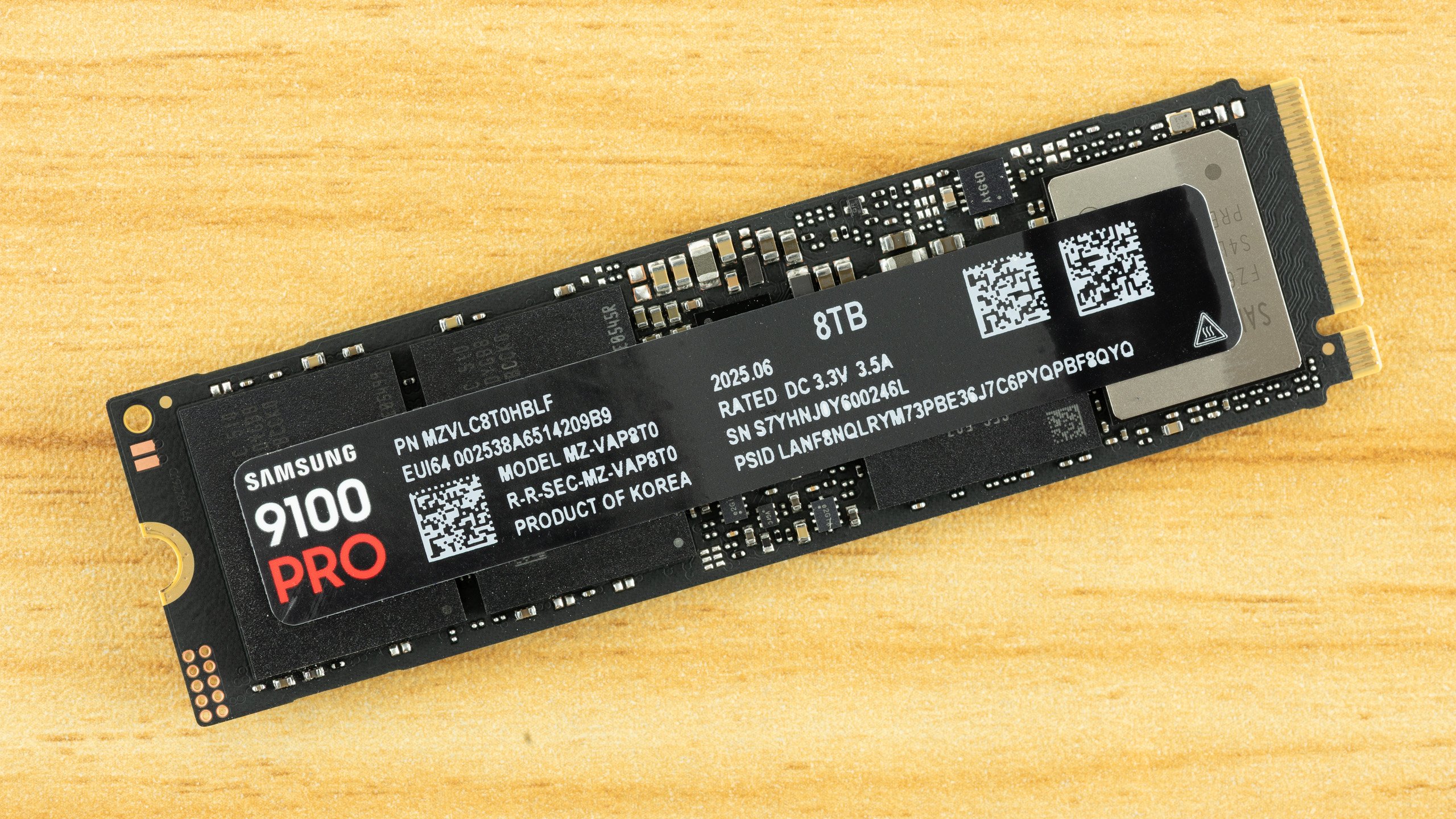
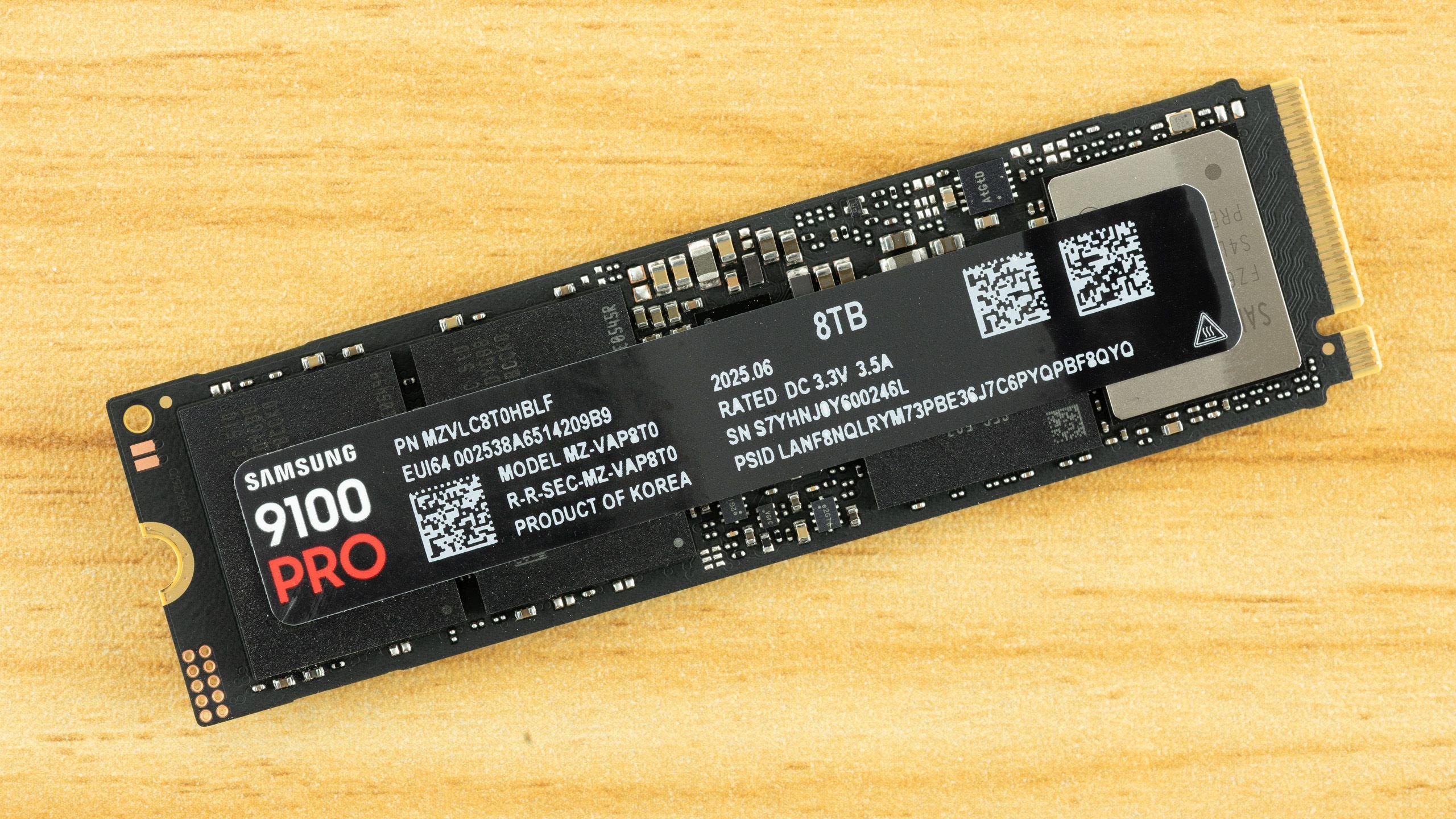
The Samsung 9100 Pro series, representing the pinnacle of consumer SSD technology with PCIe 5.0 interfaces and sequential read speeds up to 12,000 MB/s, has seen particularly dramatic price escalations. The 8TB model, already positioned as a premium product, now costs approximately 77% more than its equivalent on Amazon International, where it retails for around $1,960.69. This discrepancy highlights the unique market dynamics affecting Japanese consumers.
Breaking down the price increases across the Samsung lineup reveals a pattern of dramatic escalation:
- 8TB Samsung 9100 Pro: $3,470.97 USD (up 300% from previous pricing)
- 4TB Samsung 9100 Pro with heat sink: $1,773 USD (up 31.5%)
- 2TB Samsung 9100 Pro: $893 USD (approximately double U.S. prices)
The pricing anomaly extends beyond Samsung's flagship 9100 series. The company's 990 Pro, 990 Evo Plus, and 870 Evo models have also experienced significant increases, with some models jumping by as much as 384.7% compared to their prices from January of this year. These increases affect a wide range of consumers, from enthusiasts building high-performance systems to professionals requiring fast storage for content creation and data analysis.
The price surge is not limited to Samsung products. Kioxia, another major SSD manufacturer, has implemented price increases ranging from 39.8% to 59.4% on their consumer SSD lines. The 2TB Exceria Pro G2 now costs $594.68 USD (93,880 JPY), while the 1TB Exceria Basic is priced at $208 (32,980 JPY), reflecting the broader industry trend of premium pricing for high-performance storage solutions.
Interestingly, the market has not uniformly increased across all brands. Western Digital (SanDisk), Lexar, and other less prominent brands have actually seen price reductions for some Gen 4 and Gen 5 M.2 NVMe SSDs and SATA SSDs. This divergence suggests a strategic realignment within the storage market, with established players capitalizing on brand recognition while alternative brands attempt to gain market share through competitive pricing.
The broader context for these price increases lies in the global semiconductor shortage, particularly the storage crunch driven by artificial intelligence development. AI training and inference require massive amounts of high-speed storage, creating unprecedented demand for advanced SSDs. Data centers, which form the backbone of AI infrastructure, are increasingly consuming the available supply of premium storage products, leaving less inventory for consumer markets.
The semiconductor industry has been struggling to keep pace with this demand. Manufacturing advanced SSDs requires sophisticated process nodes, with leading-edge NAND flash memory typically produced at 10-15nm process geometries. The complexity of these manufacturing processes, combined with limited production capacity, has created a bottleneck that manufacturers are struggling to overcome.
Further complicating the supply chain is the increasing cost of raw materials and specialized components required for SSD production. DRAM, controllers, and other supporting components have also experienced price increases, contributing to the overall cost escalation of complete storage solutions.
The impact extends beyond traditional SSDs. Other storage products, including memory cards and flash drives, have seen price increases between 124% and 261%, indicating a systemic issue affecting the entire storage ecosystem. This comprehensive price inflation suggests that the current shortage is not limited to specific product categories but represents a fundamental imbalance between supply and demand across the storage industry.
From a market analysis perspective, these price increases represent more than temporary inflation. They signal a structural shift in the storage market, where premium products command significantly higher prices due to constrained supply and increasing demand from high-margin sectors like AI and cloud computing. This shift may accelerate the transition toward cloud-based storage solutions for consumers, as local storage becomes increasingly expensive.
For Japanese consumers, the current market presents a challenging dilemma. The dramatic price differentials between domestic and international markets create opportunities for cross-border purchasing, but this comes with its own complexities, including warranty limitations, import duties, and potential compatibility issues. The price gap also highlights the importance of understanding regional market dynamics when making purchasing decisions in the global semiconductor industry.
Looking ahead, industry analysts predict that these price increases may continue for the foreseeable future. PC manufacturers are reporting increasing component costs that extend beyond RAM and storage, suggesting that the current pricing pressures are part of a broader trend affecting the entire technology ecosystem. As AI development continues to accelerate, the demand for high-performance storage solutions is expected to remain strong, potentially keeping prices elevated for the next several years.
The situation underscores the critical importance of storage technology in modern computing. As AI, big data, and high-performance computing become increasingly prevalent, the storage industry will face ongoing challenges in meeting demand while maintaining reasonable pricing for consumers. This period of price volatility may ultimately drive innovation in storage technologies, potentially accelerating the development of more efficient and cost-effective solutions in the long term.
For consumers and businesses navigating this challenging market, the key will be balancing immediate needs with long-term planning. While current prices may seem prohibitive, the rapid pace of technological advancement suggests that alternative solutions may emerge in the coming years. In the meantime, careful consideration of storage requirements and strategic purchasing decisions will be essential for managing costs in this volatile market.
The Japanese SSD price surge serves as a bellwether for global storage market dynamics, offering valuable insights into how AI-driven demand is reshaping the semiconductor industry. As this trend continues to evolve, market participants will need to adapt to a new reality where storage capacity and performance command premium prices in an increasingly data-hungry world.

Comments
Please log in or register to join the discussion