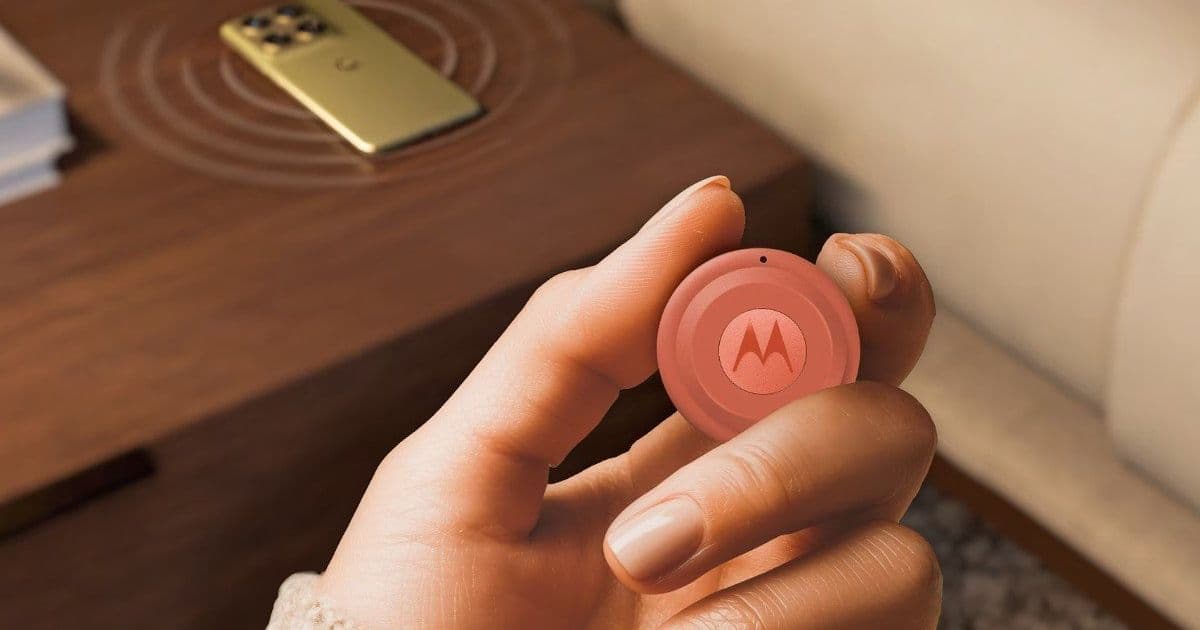
Motorola's latest Bluetooth tracker brings Ultra-Wideband technology, nearly two years of battery life, and competitive pricing to the item tracking market.
After months of anticipation, the Moto Tag 2 has finally arrived in select markets across Europe, the Middle East, Africa, Latin America, and Asia-Pacific, with North American availability still pending. As someone who has tested virtually every Bluetooth tracker on the market, I can say that this second-generation device brings meaningful improvements over its predecessor while maintaining an attractive price point.
What's New in the Moto Tag 2
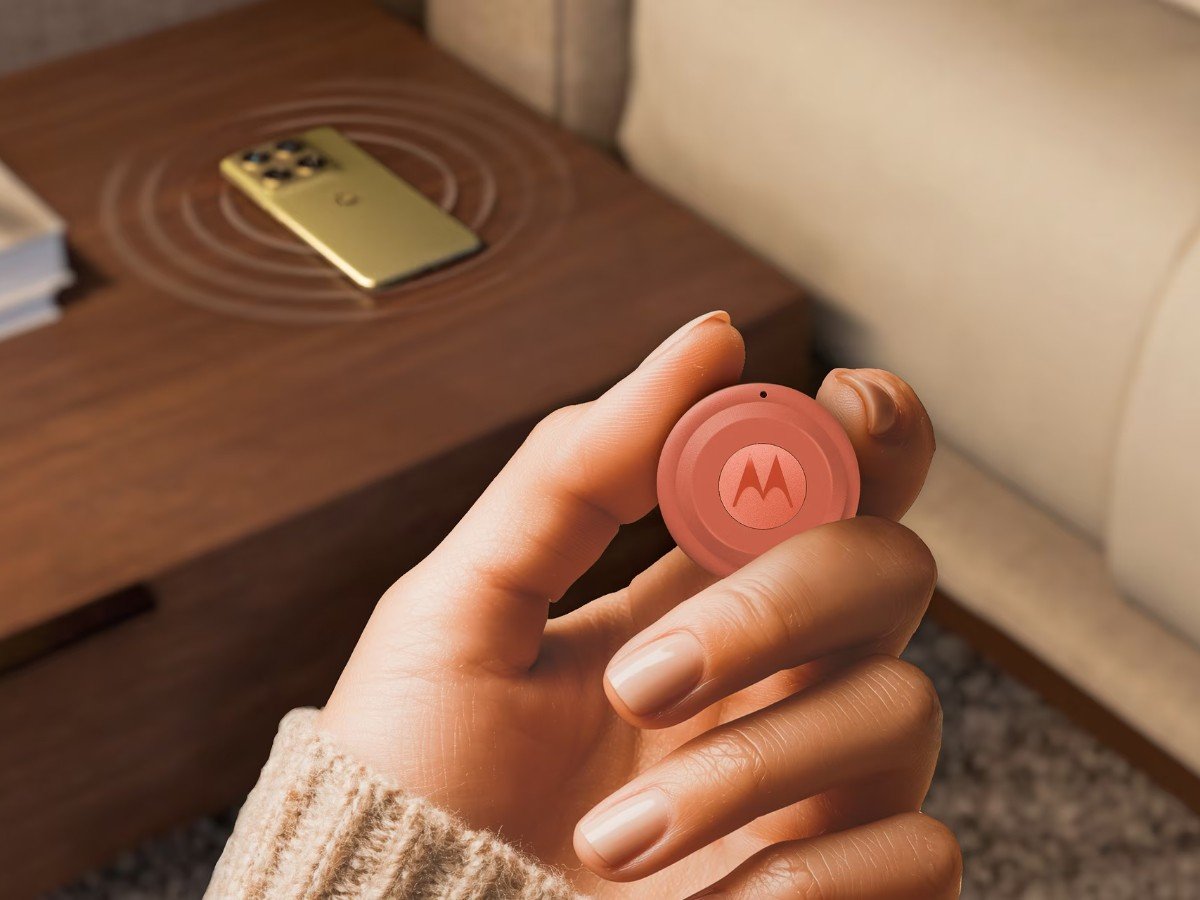
The most significant upgrade in the Moto Tag 2 is the addition of Ultra-Wideband (UWB) technology, which enables precise location tracking within a range of up to 120 meters. This is a substantial improvement over the first-generation model that relied solely on Bluetooth for location finding. The UWB implementation allows for directional accuracy within centimeters, making it much easier to pinpoint the exact location of your lost items.
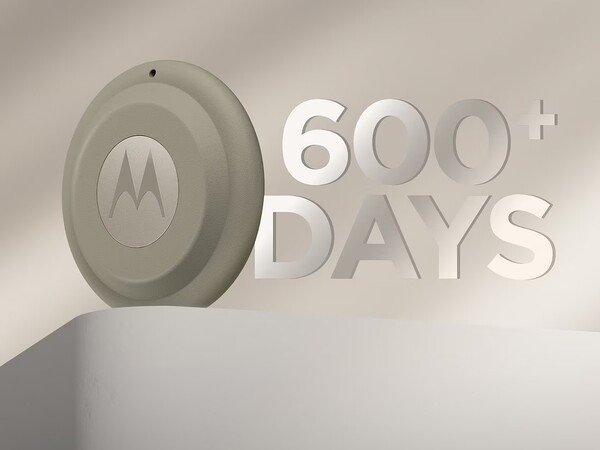
Another major improvement is battery life. Motorola claims the Moto Tag 2 can last up to 600 days on a single CR2032 battery, which translates to nearly two years of typical use. This is a notable improvement over the first-generation Moto Tag, though Motorola hasn't specified the exact battery life of the original model. The replaceable battery is a significant advantage over competitors like Apple AirTag, which uses a non-replaceable battery designed to last about a year.
The Moto Tag 2 also features Bluetooth 6.0, the latest version of the wireless technology, which promises improved connectivity, lower power consumption, and better range compared to the Bluetooth 5.0 found in the first-generation model. Additionally, the new tracker includes an integrated speaker that can emit alerts as loud as 77dB, making it easier to locate your items when they're nearby.
How the Moto Tag 2 Compares
When comparing the Moto Tag 2 to its predecessor, several key differences emerge:
- Technology: The addition of UWB is the most significant upgrade, providing directional accuracy that the first-gen model lacked.
- Battery Life: Nearly two years compared to the unspecified (but likely shorter) battery life of the original.
- Connectivity: Bluetooth 6.0 vs. Bluetooth 5.0 in the first generation.
- Speaker Output: 77dB vs. the lower output of the original model.
- Price: The first-gen Moto Tag remains available at the same price point (£29.99 in the UK), making the decision between新旧 models primarily a matter of needing the UWB functionality.
In the competitive Bluetooth tracker market, the Moto Tag 2 positions itself as a budget-friendly alternative to premium options like Apple AirTag and Samsung SmartTag. While it lacks the ecosystem integration of Apple's offering, the UWB technology, replaceable battery, and competitive pricing make it an attractive option for Android users who want precise tracking without the premium price tag.
Interestingly, pricing varies significantly by region. In the UK, a single Moto Tag 2 costs £29.99, while a pack of four is £130. In Germany, prices are €40 for a single unit or €130 for a pack of four, though Amazon.de currently offers discounts at €32.99 for a single tag and €109.50 for a pack of four. French and Irish buyers pay €39 and €39.99 respectively for a single tag, while Finnish buyers pay €38.99.
In North America, the Moto Tag 2 is not yet available on Motorola's official website, though third-party sellers on Amazon offer a pack of four for $119.98. Meanwhile, the first-generation model is on sale in the US for $69.99 for a pack of four, down from $99.99.
Who Should Buy the Moto Tag 2
The Moto Tag 2 is particularly well-suited for:
- Android Users: Since it works exclusively with Android devices and connects to the Google Find Hub network, it's not an option for iPhone owners.
- Budget-Conscious Shoppers: At around $30 per unit, it's significantly more affordable than many competitors.
- Those Who Value Battery Life: The nearly two-year battery life is exceptional in this category.
- Users Who Need Precise Tracking: The UWB technology provides directional accuracy that Bluetooth-only trackers can't match.
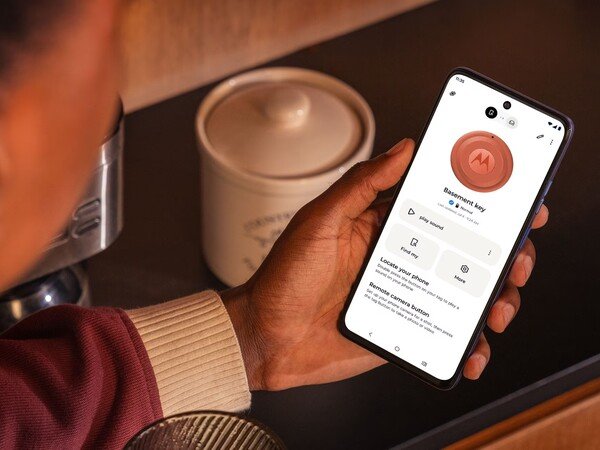
The companion app allows users to change the ringtone, adjust the volume, check the battery level, and share the tag's real-time location with trusted contacts. However, there's a notable limitation: while Motorola claims the tag can be used as a remote camera shutter, at least one Reddit user reports this function isn't available yet, though it may be added via a future software update.
The Moto Tag 2 features an IP68 dust and water resistance rating, making it suitable for outdoor use and protection against accidental immersion in water up to 1.5 meters for 30 minutes.
For anyone who regularly misplaces keys, wallets, or other important items, the Moto Tag 2 offers a compelling combination of precise tracking, long battery life, and competitive pricing. While it may not have the ecosystem integration of premium alternatives, it provides essential functionality at an accessible price point, especially for Android users who don't need Apple-specific features.
Comments
Please log in or register to join the discussion