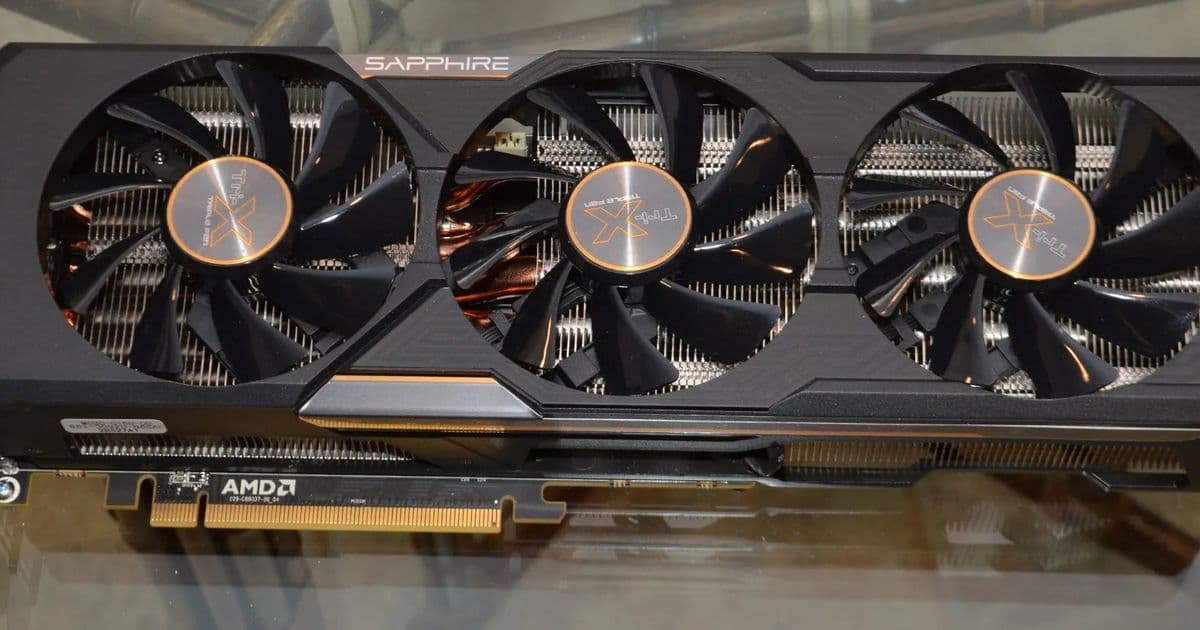
Valve's Linux graphics team implements DRM format modifiers for AMD GCN 1.0-1.1 GPUs, enabling modern graphics features on decade-old hardware and improving performance across the Linux graphics stack.
Valve continues its impressive work in extending modern graphics capabilities to legacy AMD hardware, with Timur Kristóf announcing support for DRM format modifiers on AMD GFX6 through GFX8 era GPUs. This development represents another significant milestone in Valve's ongoing effort to breathe new life into older AMD Radeon graphics cards, bringing features previously reserved for more modern hardware to decade-old silicon.
Understanding DRM Format Modifiers
DRM (Direct Rendering Manager) format modifiers provide critical metadata about image buffer layouts, including tiling patterns, compression schemes, and other low-level attributes that applications need to optimize graphics operations. For older AMD GPUs that lacked this support, applications had to rely on fallback mechanisms or operate without these optimizations.
Timur Kristóf explains in the AMDGPU kernel driver patch series that:
"GFX6-8 are the oldest GPUs supported by the amdgpu kernel driver, and the last ones that didn't support DRM format modifiers until now. On GFX6-8, the GFX block can only use pre-determined tiling modes which are programmed by the kernel according to the tiling mode table. The new modifiers encode all the details needed for tiling on these GPUs."
This implementation allows the Linux graphics stack to properly understand and optimize buffer handling for these older architectures, enabling features that were previously unavailable or required complex workarounds.
Affected Hardware Range
This enhancement covers a significant range of AMD hardware spanning nearly a decade of GPU development:
- GFX6 (GCN 1.0): Radeon HD 7000 series (Radeon HD 7700, 7800, 7900)
- GFX6.1 (GCN 1.1): Trinity and Richland APUs
- GFX7 (GCN 2.0): Radeon R200 series (Radeon R7 200, R9 200)
- GFX7.1 (GCN 3.0): Radeon R300 series (Radeon R9 300, Fury series)
- GFX8 (GCN 4.0): Radeon RX 400 series (Polaris)
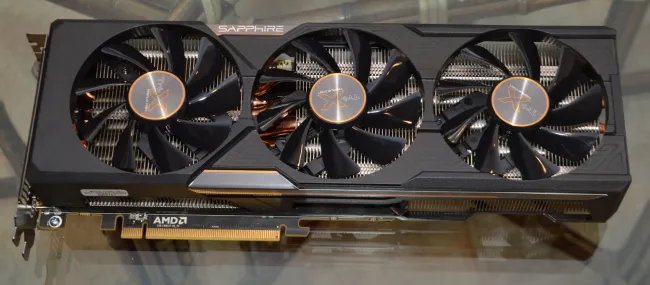
These GPUs, while aging by today's standards, still represent capable hardware for many workloads, especially when paired with the latest open-source driver improvements.
Performance Implications
The addition of DRM format modifiers brings tangible performance benefits across the Linux graphics stack:
- Reduced CPU overhead: Proper buffer layout information minimizes unnecessary memory copies and conversions
- Improved memory efficiency: Better utilization of GPU-specific tiling and compression capabilities
- Enhanced Wayland compositing: Vulkan-based compositors can now operate more efficiently on these older GPUs
- Better Zink performance: OpenGL applications running through the Zink OpenGL-on-Vulkan layer benefit from improved buffer handling
- Cross-API interoperability: Improved compatibility between VAAPI, OpenGL, and Vulkan
For users with these older AMD GPUs, the impact can be particularly noticeable in Wayland environments and applications that make heavy use of GPU acceleration. The elimination of fallback paths and the optimization of buffer operations can result in smoother animations, reduced latency, and better overall responsiveness.
Build Recommendations
For users with compatible AMD hardware, this development enhances the viability of these cards for various use cases:
Gaming Workstations
- CPU: AMD Ryzen 5 5600 or Intel Core i5-12400
- Motherboard: B550 or B660 chipset
- Memory: 16GB DDR4-3200 or DDR4-3600
- Storage: 1GB NVMe SSD
- GPU: Any AMD GFX6-GFX8 GPU
- OS: Ubuntu 22.04 LTS with Mesa 23.0+
This configuration provides excellent gaming performance for esports titles and less demanding AAA games, with the latest driver optimizations ensuring maximum compatibility and performance.
Content Creation Workstations
- CPU: AMD Ryzen 7 5800X or Intel Core i7-12700
- Memory: 32GB DDR4-3200
- Storage: 2GB NVMe SSD
- GPU: AMD Radeon R9 390 (GFX7.1) or Radeon RX 580 (GFX8)
- OS: Fedora 38 with latest Mesa
The improved DRM format modifier support enhances performance in applications like Blender, Kdenlive, and GIMP through better memory management and accelerated operations.
Homelab Servers
- CPU: AMD Ryzen 5 1600 or Intel Xeon E3-1230 v5
- Memory: 16GB ECC DDR4
- Storage: 4GB enterprise SSD
- GPU: Radeon HD 7950 (GFX6) or Radeon R9 380 (GFX7)
- OS: Debian 12 with headless Xorg
For GPU-accelerated tasks like video transcoding or machine learning inference, these older GPUs remain capable performers, especially with the latest driver optimizations.
Technical Implementation Details
The implementation consists of two main components:
- Kernel driver patches: Modified AMDGPU driver to properly handle and expose DRM format modifiers for GFX6-GFX8 GPUs
- Mesa user-space changes: Updates to the RADV/RadeonSI drivers to utilize these modifiers in the user-space graphics stack
The Mesa merge request details the user-space implementation, which adds the necessary support for interpreting and utilizing the format modifiers provided by the kernel driver.
Broader Impact on Linux Graphics
This development continues Valve's pattern of investing in open-source graphics driver improvements that benefit the entire Linux ecosystem. By extending modern features to legacy hardware, Valve helps maintain the viability of older systems while reducing electronic waste.
The DRM format modifier support also represents a significant step toward a more consistent and efficient graphics stack across all GPU generations. As Timur Kristóf noted, this change "will unblock many things in the Linux graphics ecosystem that previously either didn't work on these GPUs or had to implement fallbacks."
For users with these older AMD GPUs, this means better performance, improved compatibility, and extended useful lifespan of their hardware. For the broader Linux community, it demonstrates the power of focused development efforts on specific components to improve the overall user experience.
As Valve continues its work on graphics driver improvements, users of older AMD hardware can look forward to more enhancements that bring modern graphics capabilities to legacy silicon, further strengthening Linux as a viable platform for both new and aging hardware.
Comments
Please log in or register to join the discussion