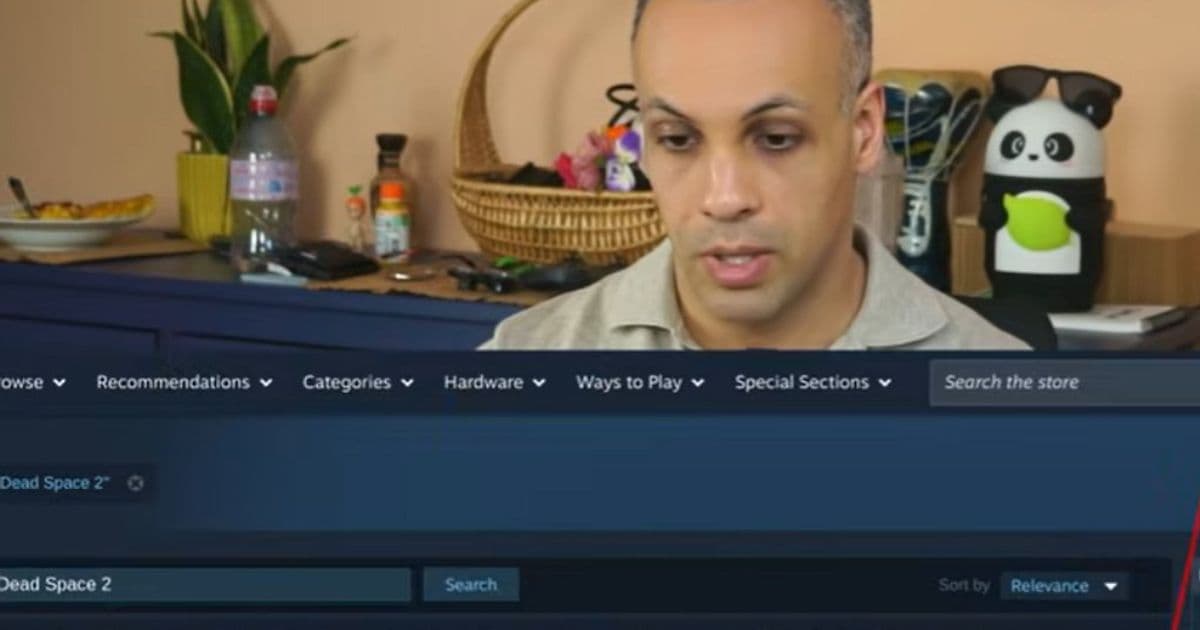
Consumer rights advocate Louis Rossmann has exposed Electronic Arts for continuing to sell Dead Space 2 with restrictive DRM that permanently locks users out after five installations, despite removing the deauthorization tool years ago. This practice raises questions about consumer rights, digital ownership, and industry transparency.
The recent controversy surrounding Dead Space 2's Digital Rights Management (DRM) has reignited debates about consumer rights in the digital age. New York-based right-to-repair and consumer rights advocate Louis Rossmann has strongly criticized Electronic Arts (EA) for maintaining strict DRM limitations on their 2011 horror title while simultaneously removing the tools that would allow consumers to manage these limitations.
The Technical Details: Dead Space 2's DRM System
Dead Space 2 utilizes the TAGES SolidShield DRM system, which imposes a hard limit of five machine activations. This means that after installing the game on five different computers or reinstalling it on the same system five times, users become permanently locked out. The activation limit is particularly problematic for gamers who regularly upgrade their hardware, experience hard drive failures, or need to reinstall their operating system.
What makes this situation particularly egregious is that EA previously provided a deauthorization tool that allowed users to reset their activation count. However, as confirmed by EA support, this tool was removed years ago. Despite this change, the game continues to be sold on Steam for $19.99 with no disclosure of the DRM limitations or the removal of support features.
Comparing Industry Standards: How Dead Space 2's DRM Stacks Up
Most modern gaming platforms have moved away from such restrictive DRM systems. Steam, for instance, allows users to install games on multiple devices without activation limits, though some third-party titles may still include additional DRM layers. GOG (Good Old Games) has built its reputation on offering DRM-free versions of games, including many older titles.
Even within EA's own catalog, more recent titles have shifted toward less restrictive DRM systems. The company's Origin platform generally allows for multiple installations without the hard five-device limit imposed by the TAGES system used in Dead Space 2. This inconsistency suggests that EA is maintaining an outdated and consumer-unfriendly DRM system specifically for this title without proper disclosure.
The Consumer Impact: Who's Affected and Why It Matters
The primary victims of this DRM lockout are:
- Long-term gamers who have owned the game since its release and have gone through multiple hardware upgrades
- PC enthusiasts who regularly upgrade components like graphics cards, motherboards, and storage drives
- Users experiencing hardware failures who need to reinstall the game on new systems
- Those who reinstall Windows periodically for performance or security reasons
The impact extends beyond inconvenience. At $19.99, Dead Space 2 is not a budget title, and consumers have a reasonable expectation to be able to use the product they've purchased. The two-week refund window on Steam is often insufficient for users to discover the DRM limitations, leaving them with a product they cannot use.
Rossmann's Criticism: Corporate Hypocrisy and Consumer Rights
In his YouTube video titled "EA Shows Why Piracy Is Completely Justified," Rossmann doesn't hold back in his criticism. He presents an email from a German gamer who purchased the game on Steam only to discover that reactivation is impossible due to exceeding the five-installation limit.
Rossmann's critique centers on what he perceives as corporate hypocrisy: "You (EA) can still take my credit card information and take my money for the game, but you can't support me being able to activate the game. Like, it's one or the other, man. You can just pull this sht out of your a and make up the rules as you go."
He points out that EA's Steam store page still displays the original disclaimer stating that players can deauthorize machines at activate.ea.com/deauthorize, which now redirects to the company's homepage rather than providing the promised functionality.
Potential Solutions and Industry Trends
Rossmann suggests two reasonable approaches EA could take:
Remove DRM from older titles: If EA is no longer actively profiting from Dead Space 2, they could provide a patch that removes all DRM restrictions, similar to what some developers have done with their older games.
Be transparent about limitations: If maintaining DRM is necessary, EA should clearly disclose these limitations on the product page, including the five-installation cap and the absence of a deauthorization tool.
The broader gaming industry has seen a gradual shift toward more consumer-friendly DRM systems, though pockets of resistance remain. The rise of digital marketplaces like Steam and GOG has demonstrated that strong sales can coexist with reasonable consumer rights. Additionally, evolving consumer protection regulations in the European Union are providing stronger grounds for consumers to demand fixes or refunds for defective products, including those with problematic DRM.
The Piracy Argument: When Corporate Practices Encourage Copyright Infringement
Rossmann makes a provocative argument that this level of corporate hypocrisy is contributing to the resurgence of piracy. He states: "And above all, it's returning as a moral and ethical way to regain access to what you bought and paid for."
This perspective challenges the conventional narrative that piracy is solely a result of consumers seeking free products. Instead, it suggests that when companies fail to provide reasonable access to products consumers have legally purchased, some may turn to unauthorized methods as a matter of practical necessity.
The situation with Dead Space 2 highlights a fundamental tension in digital distribution: while digital goods offer convenience and reduced distribution costs, they also introduce new complexities around ownership and access that physical goods did not present.
Conclusion: The Need for Transparency and Consumer-Centric Policies
The Dead Space 2 DRM controversy serves as a case study in why companies need to be transparent about product limitations and prioritize consumer rights. As digital distribution continues to dominate the gaming industry, establishing clear expectations about what consumers can expect from their purchases becomes increasingly important.
For consumers, the situation underscores the importance of researching DRM policies before purchasing digital products and understanding the limitations that may affect long-term use. It also highlights the value of platforms that offer DRM-free alternatives or more reasonable DRM systems.
As Rossmann's video demonstrates, consumer advocates are increasingly holding companies accountable for practices that undermine the rights of digital consumers. Whether this will lead to industry-wide changes remains to be seen, but the conversation around digital ownership and consumer rights is clearly gaining momentum.
For more information on consumer rights and DRM, you can visit the Consumer Rights Wiki which documents the Dead Space 2 activation time lockout, or watch Louis Rossmann's YouTube video where he discusses this issue in detail.
Comments
Please log in or register to join the discussion