Khadas expands its modular Mind ecosystem with the Mind Go tablet featuring swappable accessories for performance and battery enhancements.
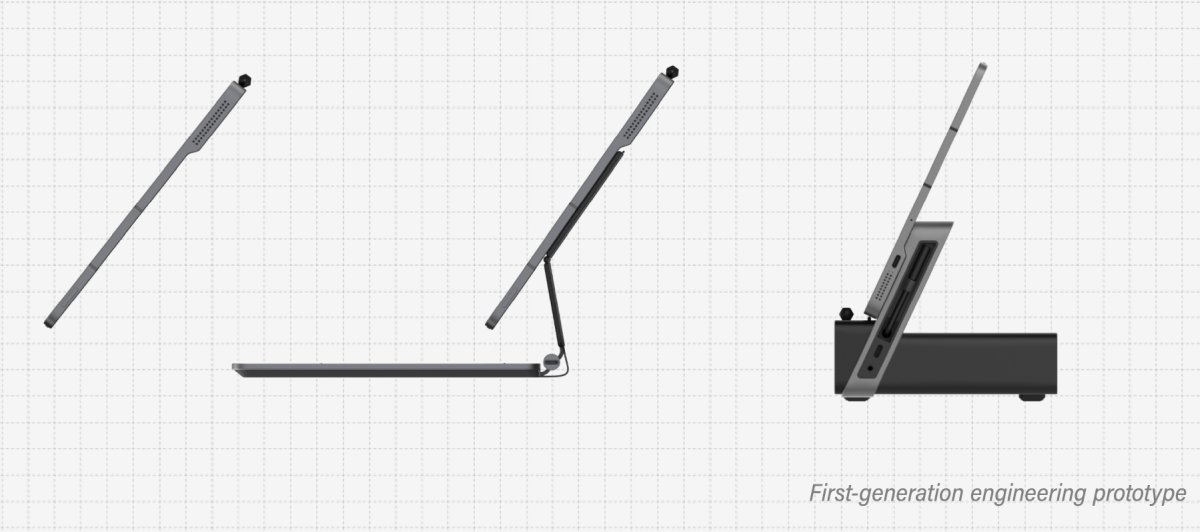
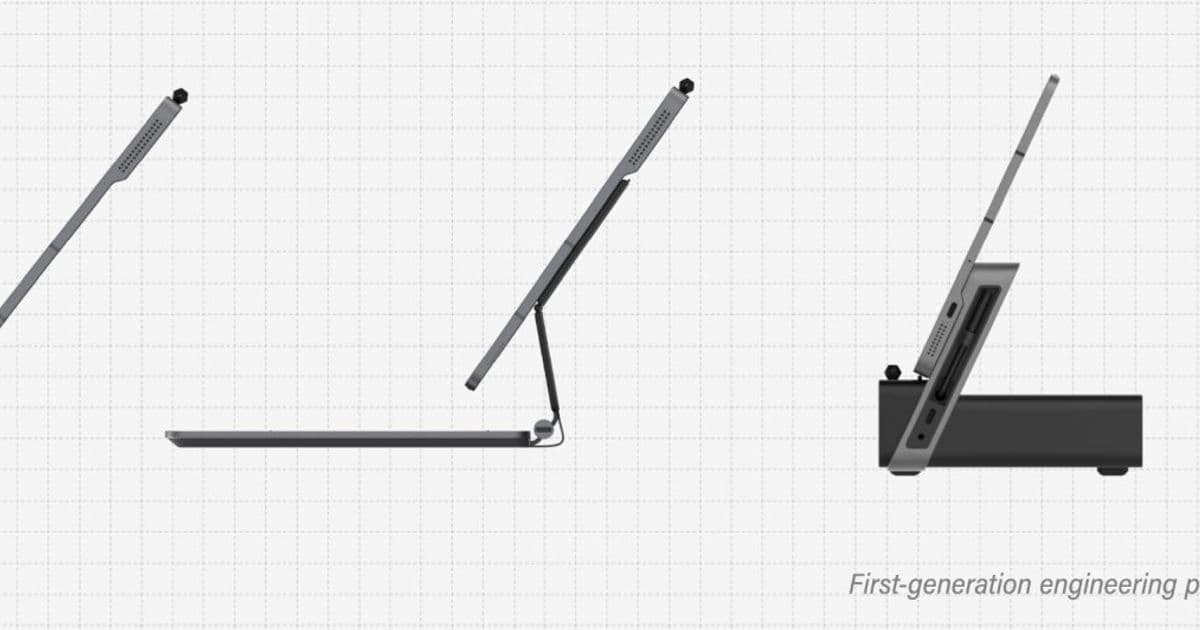
Khadas is extending its modular computing concept beyond mini PCs with the Mind Go tablet, introducing a mobile-first approach to its ecosystem. Unlike traditional tablets where accessories focus primarily on input methods, Khadas positions its dock and keyboard as performance-enhancing modules that fundamentally alter the device's capabilities.
The tablet operates independently with touch/pen input, but gains significant functionality through accessories:
Desktop Dock Module
- Adds active cooling (heat pipes + fans) enabling sustained 30W TDP versus tablet's native 15W
- Port expansion: USB-C, USB-A, HDMI 2.0, Ethernet, 3.5mm audio
- Enables performance mode for intensive workloads
Keyboard Module
- Features adjustable stand with integrated touchpad
- Contains supplemental battery increasing total capacity to 45Wh
- Extends runtime to ~9 hours for video playback
- Magnetic pogo-pin connection maintains slim profile
Notably, the Mind Go breaks from Khadas' existing Mind ecosystem by omitting the proprietary Mind Link (PCIe x8) interface. This means incompatibility with existing Mind accessories like the GPU dock, establishing Mind Go as a distinct product line optimized for mobile workflows.
Current development status remains fluid:
- Khadas is soliciting user feedback on key specs until January 31
- Options include 11.6" vs 13" display, LCD vs OLED, and x86 vs Arm processors
- Early registrants receive 10% discount commitment
- No final pricing or launch timeline confirmed
For developers, this architecture presents unique considerations:
- Thermal Profiles: Apps may detect dock connection to unlock higher performance tiers
- Power Management: Supplemental battery requires coordinated charging logic
- Input Context: Automatic UI adaptation when switching between tablet/keyboard modes
- Platform Flexibility: Processor choice will determine OS compatibility (Windows/Linux for x86 vs Android/Linux for Arm)
Comments
Please log in or register to join the discussion