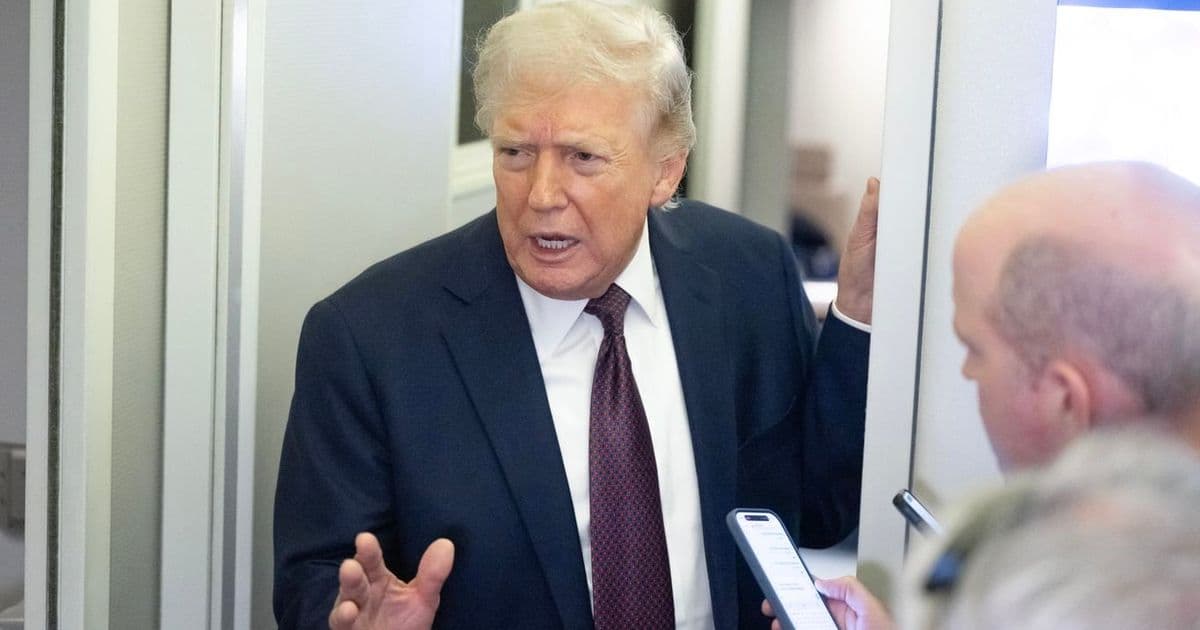
Kharg Island, Iran's critical oil export terminal, faces escalating threats as President Trump considers military action, potentially disrupting 90% of Iran's oil exports and triggering global energy market volatility.
Iran's Kharg Island has become a flashpoint in escalating tensions between Washington and Tehran, with President Trump threatening military strikes on the strategic oil export hub. The 5-square-mile island in the Persian Gulf handles approximately 90% of Iran's crude oil exports, making it a critical chokepoint for global energy markets.
Located roughly 16 miles off Iran's western coast, Kharg Island features a sophisticated network of storage tanks, loading facilities, and underwater pipelines capable of processing up to 4 million barrels per day. The facility's strategic importance cannot be overstated—it serves as the primary gateway for Iran's oil to reach international markets, particularly Asian buyers who have remained Iran's main customers despite U.S. sanctions.
Market implications of potential strikes
Energy analysts warn that military action targeting Kharg Island could trigger immediate and severe consequences for global oil prices. Brent crude futures spiked 3.2% following Trump's threats, reflecting market anxiety about potential supply disruptions. Iran currently exports approximately 1.5 million barrels per day, with Kharg Island accounting for the vast majority of these shipments.
"Any sustained disruption to Kharg Island operations would remove a significant volume of oil from the market at a time when spare capacity is already limited," notes energy market analyst Sarah Chen. "We could see prices surge well above $100 per barrel if exports are halted for more than a few weeks."
The timing is particularly sensitive given current market conditions. OPEC+ production cuts have already tightened global supply, while seasonal demand increases typically begin in April. A Kharg Island shutdown could create a perfect storm of supply constraints.
Iran's defensive preparations
Iranian military officials have indicated they've fortified Kharg Island with advanced air defense systems, including Russian-made S-300 missile batteries and domestically produced Bavar-373 systems. The island also hosts a small but capable Iranian naval presence, including fast-attack craft and coastal defense missile batteries.
Tehran has explicitly warned that any attack on Kharg Island would be considered an act of war, potentially triggering retaliation against U.S. military assets in the region. Iranian officials have specifically mentioned the possibility of closing the Strait of Hormuz, through which approximately 20% of global oil supplies pass.
Historical context
Kharg Island has been targeted before—both Iraq and Iran attacked the facility during their 1980s war, temporarily disrupting exports. However, the infrastructure has since been rebuilt and modernized, making it even more central to Iran's economy.
Under the 2015 nuclear deal, Iran's oil exports expanded significantly, with Kharg Island operating near capacity. The U.S. withdrawal from the agreement in 2018 and subsequent "maximum pressure" campaign has reduced exports but not eliminated them entirely, thanks in part to Kharg Island's efficiency.
Economic stakes
For Iran, oil exports through Kharg Island generate approximately $40-50 billion annually—crucial revenue for an economy struggling under sanctions. The country has developed sophisticated evasion techniques, including ship-to-ship transfers and falsified documentation, but Kharg Island remains the backbone of its export infrastructure.
What happens next?
The Trump administration appears to be weighing whether targeted strikes on Kharg Island would effectively pressure Iran without triggering a broader conflict. Some advisors argue that temporarily disrupting exports could force Tehran back to negotiations, while others warn of uncontrollable escalation.
Energy traders are already positioning for various scenarios. Some are buying oil futures contracts anticipating price spikes, while shipping companies are reportedly preparing alternative routes should the Strait of Hormuz face disruption.
The situation remains fluid, with both sides maintaining hardline positions. For global markets, the key question is whether Trump's threats represent serious intent to strike or are merely tactical posturing in ongoing negotiations over Iran's nuclear program and regional activities.
What's clear is that Kharg Island sits at the intersection of energy security, geopolitical strategy, and economic stability—making it one of the most dangerous potential flashpoints in today's volatile Middle East.
Comments
Please log in or register to join the discussion