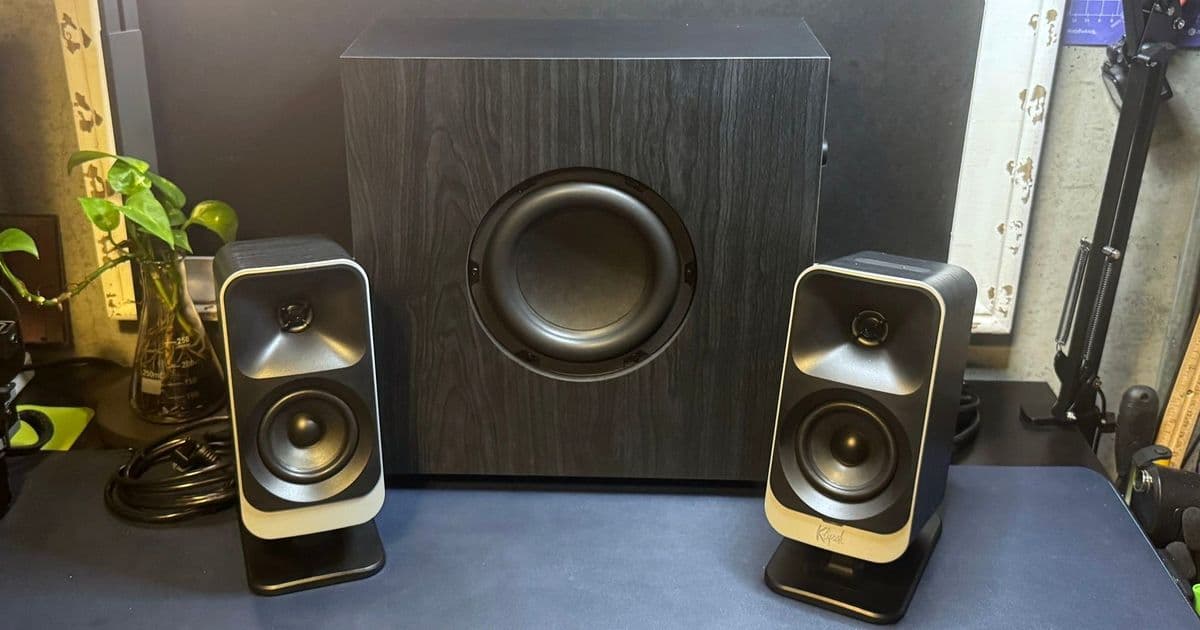
Klipsch's latest ProMedia Lumina speakers showcase the evolution of audio semiconductor technology while navigating current supply chain challenges, with mixed results in bass performance that reflect amplifier design trade-offs.
Klipsch has unveiled the ProMedia Lumina 2.1 speaker system, marking a significant redesign of their classic PC audio lineup that has remained largely unchanged since its introduction in 1999. The new system incorporates updated semiconductor components while addressing manufacturing constraints, though the bass performance reveals limitations in current amplifier chip technology.
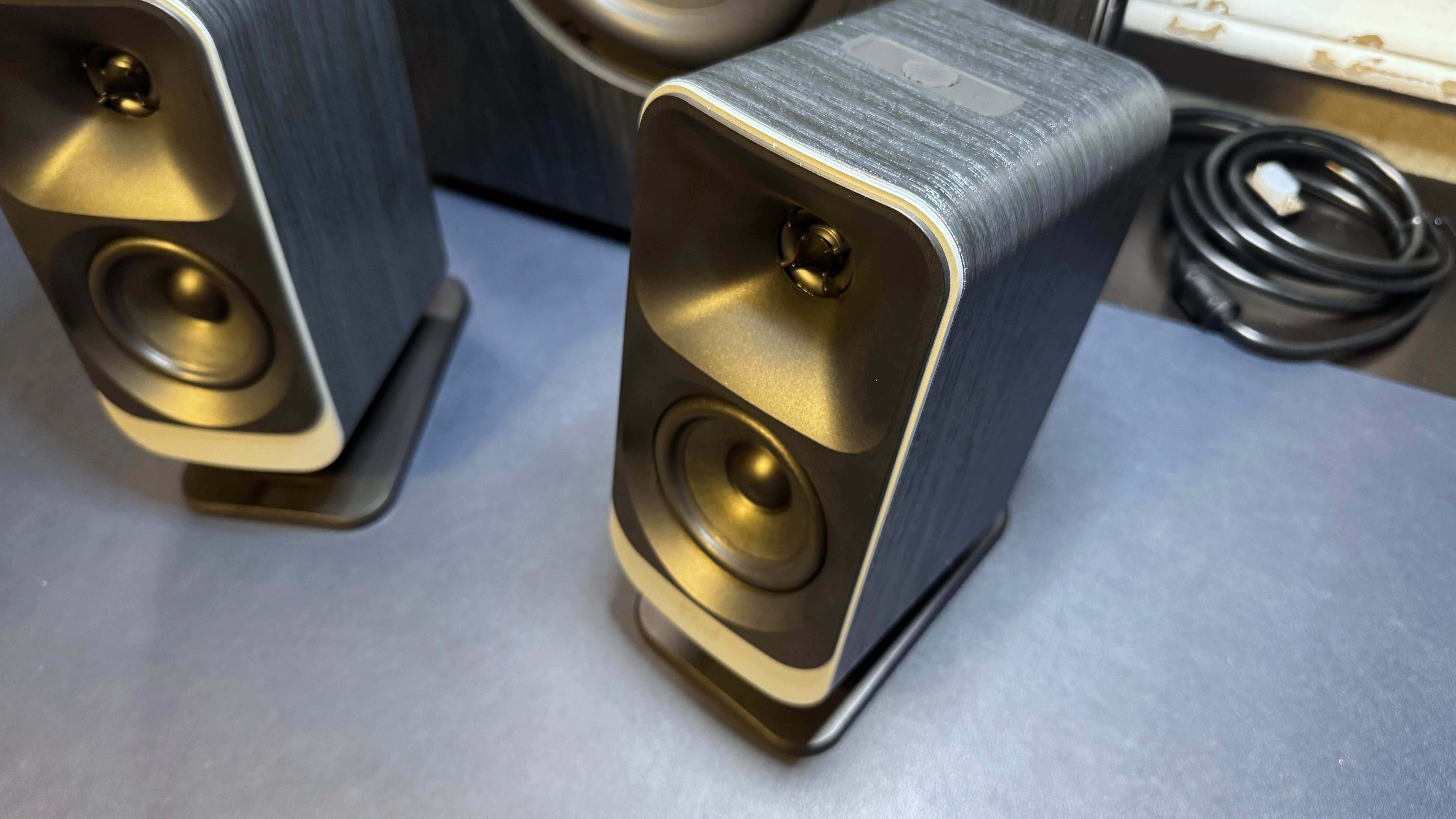
The ProMedia Lumina represents a generational leap in audio processing technology, utilizing modern Class D amplifier chips that deliver improved efficiency over the traditional Class AB amplifiers found in the original ProMedia systems. These newer amplifier chips, likely from manufacturers like Texas Instruments or Cirrus Logic, provide the power for the system's 1-inch mylar tweeters and 3-inch midrange drivers in the satellites, as well as the 6.5-inch side-firing woofer in the subwoofer.
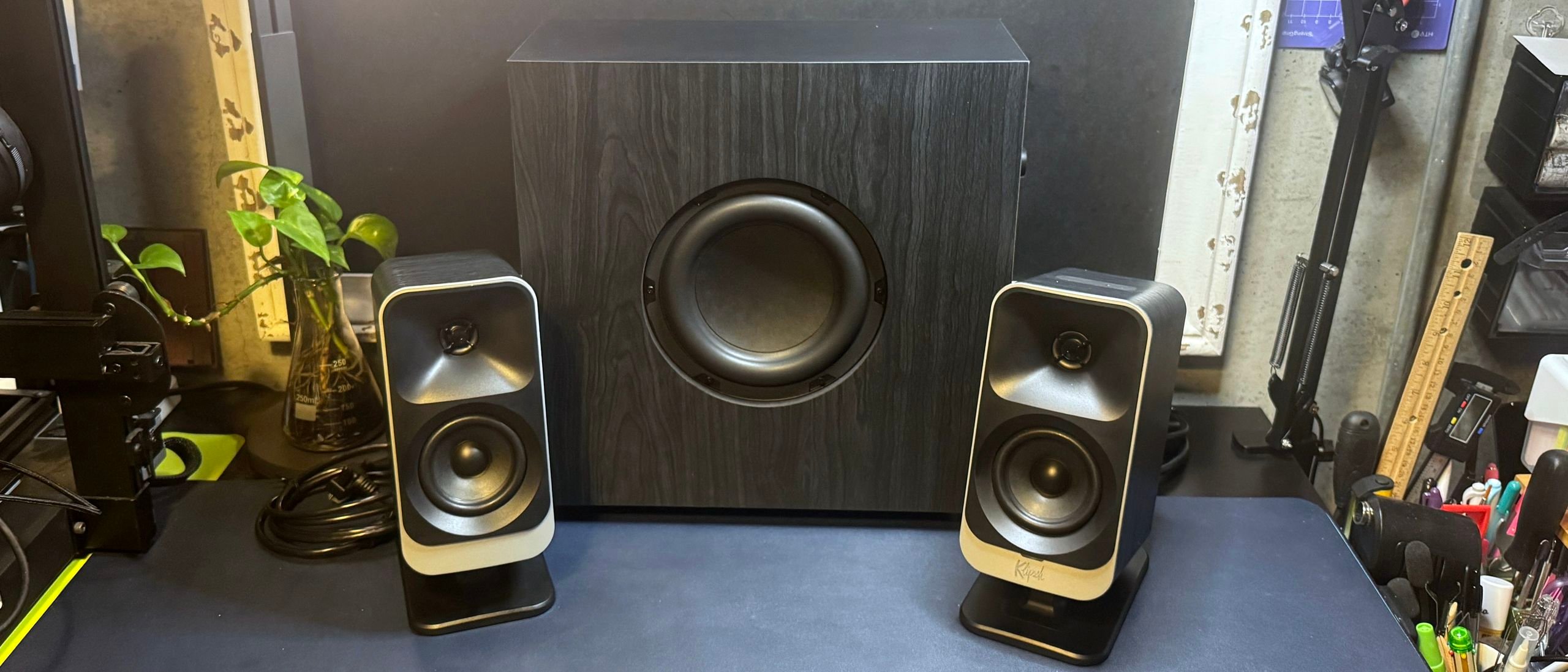
The frequency response of 40 Hz - 20,000 Hz @ -6dB and signal-to-noise ratio of 98 dB indicate that Klipsch has selected quality analog-to-digital converter (ADC) and digital-to-analog converter (DAC) chips for the system. These semiconductor components are critical for maintaining audio fidelity, with the ADC chips handling the conversion of digital input signals to analog processing, while the DAC chips convert the processed audio back to analog for amplification.
The system's connectivity options—USB-C, 3.5mm AUX, and Bluetooth 5.3—require multiple semiconductor components including Bluetooth chips from vendors like Qualcomm or Nordic Semiconductor, USB controller chips, and switching circuitry that manage the different input sources. The proprietary DB9 connectors between satellites and subwoofer suggest custom-designed interface chips that maintain signal integrity while reducing manufacturing complexity.
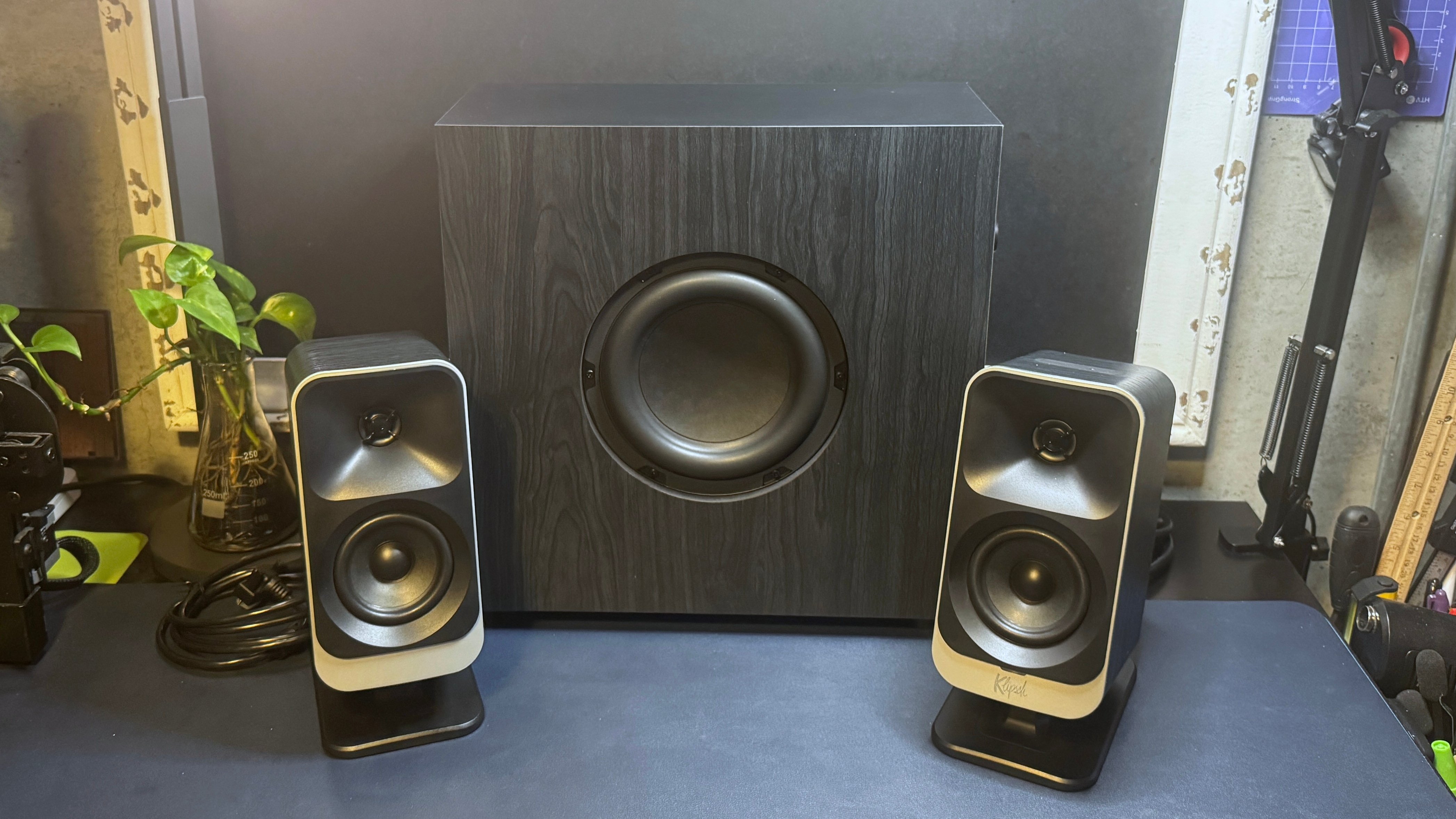
The disappointing bass performance, noted in the review, likely stems from the amplifier chip selected for the subwoofer. Modern Class D amplifier chips have improved significantly in efficiency and power density, but cost constraints may have limited Klipsch's selection to chips that deliver adequate power for mid-range systems but lack the headroom needed for truly impactful bass response. The 11-pound weight of the subwoofer suggests a relatively compact amplifier chip design, prioritizing size and thermal efficiency over raw power output.
The woodgrain vinyl finish and LED lighting system incorporate additional semiconductor components, including LED driver chips and microcontrollers that manage the lighting presets and screen-react functionality. These components add to the bill of materials (BOM) cost, contributing to the system's $380 MSRP (currently discounted to $319.99).
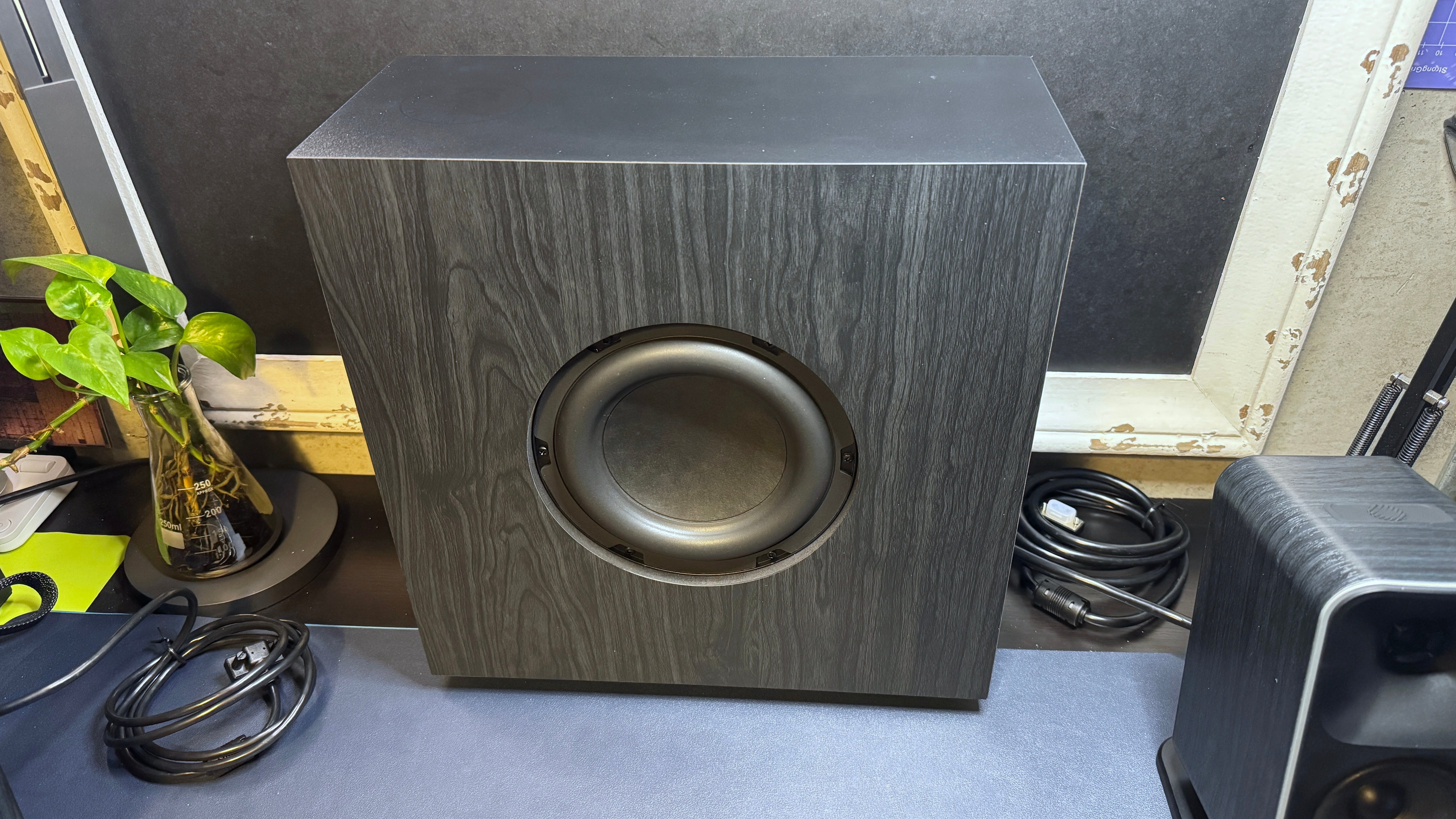
From a supply chain perspective, the ProMedia Lumina reflects current industry trends in audio semiconductor manufacturing. The slim subwoofer design likely accommodates the thermal constraints of modern amplifier chips, which generate less heat than their predecessors but require careful thermal management in compact enclosures. The thick cables with proprietary connectors may represent a cost-saving measure, reducing the need for more complex signal processing circuitry that would be required with thinner, longer cables.
The inclusion of both USB-C and traditional 3.5mm AUX inputs demonstrates Klipsch's attempt to balance modern connectivity standards with backward compatibility—a strategy that requires additional semiconductor components but expands the potential market for the product. The Bluetooth 5.3 implementation likely uses a single-chip solution from vendors like Dialog Semiconductor or Realtek, which handle both wireless connectivity and audio processing in a single package.
The Klipsch Control software reveals another layer of semiconductor complexity, with digital signal processing (DSP) chips that handle virtual surround, EQ adjustments, and audio enhancements. These DSP chips, likely from manufacturers like Analog Devices or Cirrus Logic, perform real-time audio processing that would be impossible with analog circuitry alone. The 6-band EQ with multiple presets indicates a relatively powerful DSP chip capable of handling complex audio algorithms.
Market positioning of the ProMedia Lumina reflects the current state of the audio semiconductor industry. The $380 price point places it in the premium segment, where manufacturers can incorporate higher-quality semiconductor components. However, the mixed performance suggests that Klipsch may have made strategic compromises in component selection to maintain profitability in a challenging supply environment.
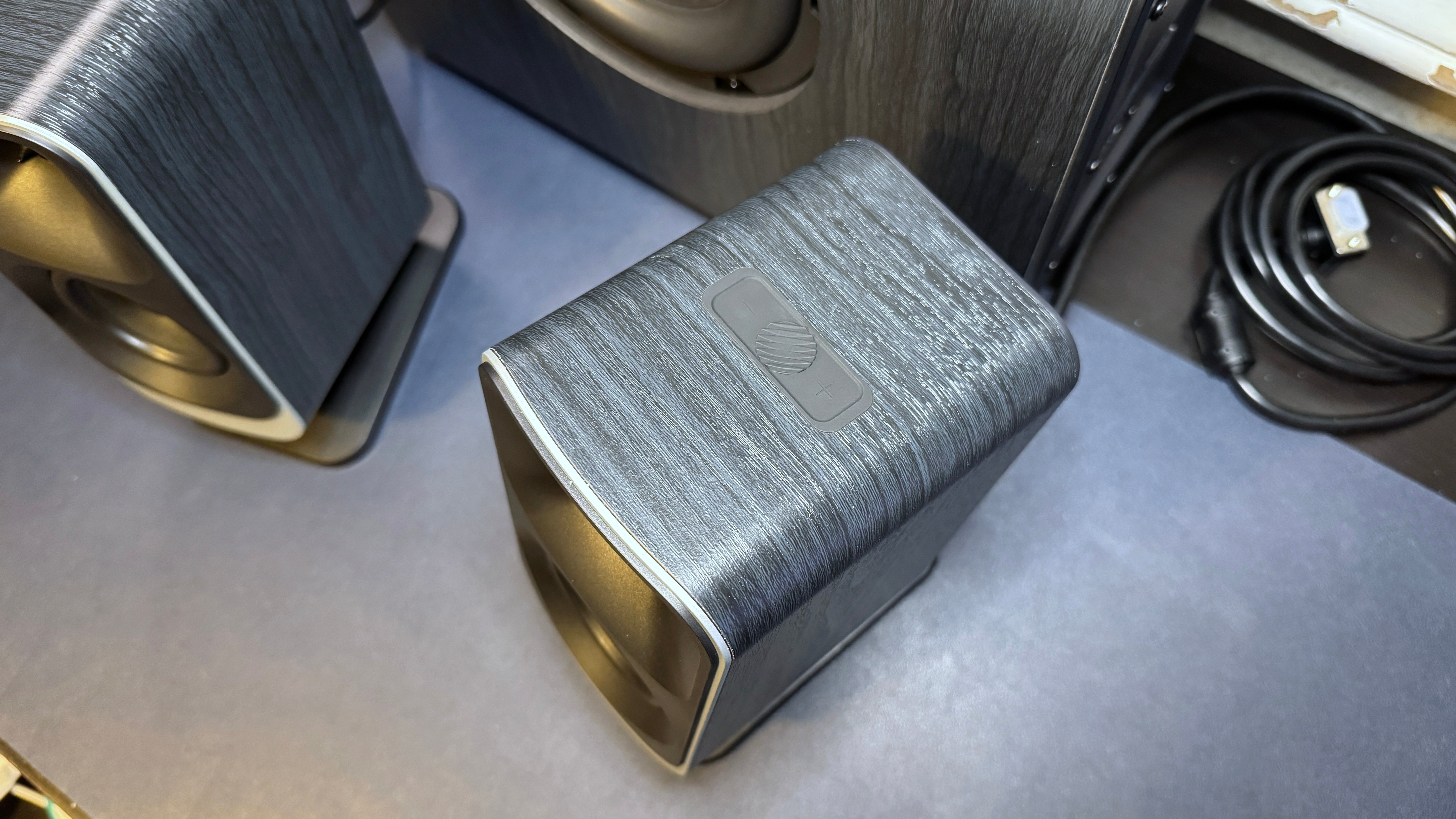
The comparison to Razer's Nommo V2 Pro highlights how different manufacturers approach similar markets with varying semiconductor strategies. While both systems likely use similar amplifier and DSP chips from the same manufacturers, the implementation and component selection differ based on each company's audio philosophy and target market. The proprietary connectors in the ProMedia system, for example, reduce manufacturing costs but limit user customization—a trade-off that affects both product flexibility and semiconductor requirements.
As the audio industry continues to evolve, the semiconductor components in systems like the ProMedia Lumina will play an increasingly critical role. Future iterations may incorporate more advanced DSP chips with AI-driven audio processing, improved amplifier chips with better bass response, and more efficient power management chips that reduce overall system power consumption. The current limitations in bass performance may be addressed through these technological advances, though they will likely come at increased manufacturing costs that may be passed on to consumers.
The ProMedia Lumina represents an interesting case study in how audio manufacturers balance technological advancement with practical constraints. While the system delivers good sound quality in the midrange and highs, the bass limitations reveal the ongoing challenges in audio semiconductor design—particularly in delivering powerful, clean bass response in compact, cost-effective systems. As semiconductor technology continues to advance, we can expect future iterations to address these limitations while maintaining the efficiency and compact design that modern consumers demand.
Comments
Please log in or register to join the discussion