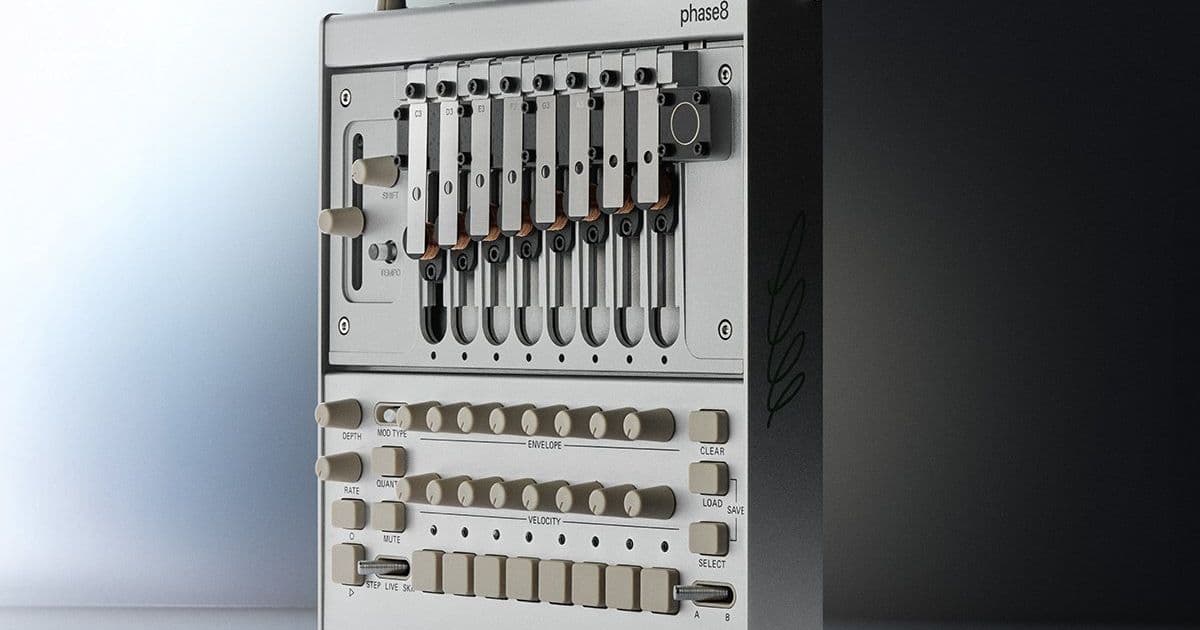
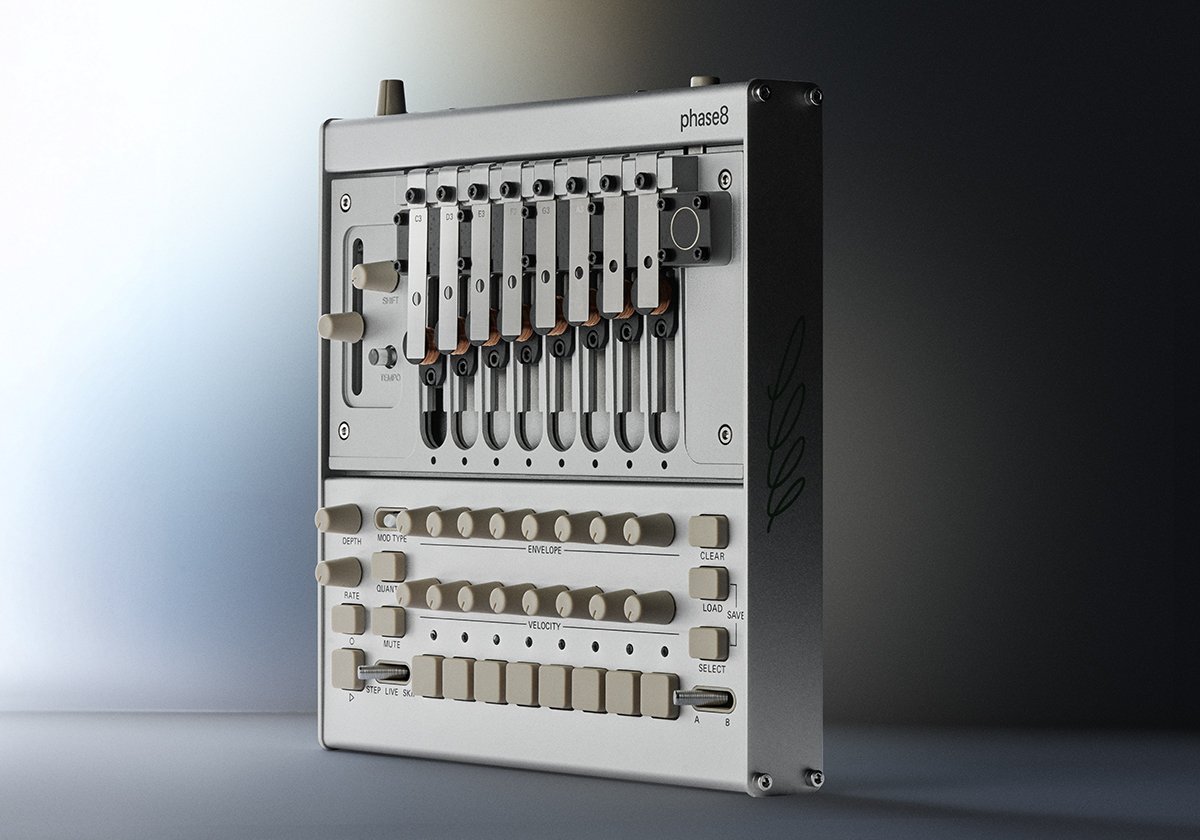
KORG has unveiled the phase8, a new acoustic synthesizer that uses physical modeling to generate the complex timbres of acoustic instruments, but with the deep modulation and control of a synthesizer. This move signals a growing trend in the industry toward hybrid instruments that offer the organic feel of acoustic sounds with the flexibility of digital synthesis.
The announcement of KORG's phase8 acoustic synthesizer feels like a quiet but significant step in the ongoing conversation about what a synthesizer can be. While the market is saturated with digital emulations of classic analog circuits and granular synthesis engines, the phase8 takes a different path. It doesn't try to replicate a Moog or a Juno; it attempts to model the physics of acoustic instruments themselves, using a synthesis engine that generates sound based on the principles of vibration, resonance, and air movement. This isn't a new idea—physical modeling synthesis has existed for decades—but KORG's implementation, focused on a dedicated "acoustic" engine with deep modulation, suggests a new level of accessibility and creative potential for this approach.
The core of the phase8 is its physical modeling engine, which KORG describes as generating sound by simulating the behavior of strings, tubes, and membranes. Unlike sample-based instruments that play back recorded snippets, the phase8 creates sound in real-time by calculating the interactions of these physical elements. This means the instrument can respond dynamically to playing velocity, aftertouch, and modulation in ways that a static sample cannot. For example, a plucked string model can change its decay time based on how hard you press a key, or the resonance of a simulated tube can shift with the pitch. This creates a living, breathing sound that feels organic and responsive.
Where the phase8 distinguishes itself from other physical modeling synths is in its modulation architecture. KORG has built in three distinct amplitude modulation effects that can be cycled through: a traditional tremolo and two audio-rate, pitch-dependent modulation types. The final modulation effect can be optionally harmonically quantized, which means the modulation is locked to the harmonic series of the note being played. This is a subtle but powerful feature. Instead of a random LFO sweeping through frequencies, the modulation follows the natural overtone structure of the instrument, creating effects that feel integrated and musical rather than synthetic. It’s a design choice that respects the source material while expanding its creative possibilities.
This approach has clear trade-offs. Physical modeling is computationally intensive, and the sonic palette, while deep, is inherently different from the vast, sometimes chaotic, possibilities of wavetable or FM synthesis. The sounds are often more focused and realistic, which can be a limitation for producers seeking otherworldly textures. However, for musicians looking for expressive, playable acoustic tones that can be shaped and modulated in real-time, the phase8 offers a compelling alternative to both sample libraries and traditional subtractive synths. It’s a tool for composition and performance that bridges the gap between the studio and the stage.
KORG's decision to market this as an "acoustic synthesizer" rather than just a "physical modeling synth" is telling. It positions the instrument not as a niche tool for sound designers, but as a versatile keyboard for composers and performers who want the warmth of an acoustic instrument with the control of a synthesizer. The phase8’s interface, with its dedicated modulation modes and harmonic quantization, is designed for exploration. It encourages users to move beyond static presets and engage with the instrument’s underlying physics, tweaking parameters to discover new textures and behaviors.
The broader trend here is the convergence of synthesis and sampling. As computing power increases, the line between modeling and playback blurs. Instruments like the phase8 suggest a future where the choice isn't between a sampled grand piano and a synthetic pad, but between different models of physical behavior. This could lead to more expressive and intuitive instruments, but it also raises questions about authenticity and the role of the performer. Can a physical model truly capture the nuance of a human player, or does it offer a different, equally valid form of expression?
For developers and engineers, the phase8 represents a challenge in balancing computational efficiency with sonic depth. Physical modeling requires careful optimization to run in real-time on hardware, and KORG’s implementation must handle complex calculations for multiple voices and modulation sources. The harmonic quantization feature, in particular, requires real-time analysis of the pitch and harmonic content, adding another layer of processing. This is a testament to KORG’s expertise in digital signal processing and their commitment to creating instruments that are both powerful and playable.
In the end, the phase8 isn’t just another synthesizer; it’s a statement about the future of electronic music. It argues that synthesis can be organic, that digital instruments can have soul, and that the boundaries between acoustic and electronic are more fluid than we think. For musicians and producers tired of the same old sounds, it offers a new path forward—one that is rooted in physics but open to infinite creative possibilities. Whether it becomes a staple in studios or remains a niche instrument for connoisseurs, the phase8 is a reminder that innovation in music technology often comes from looking back at the fundamental principles of sound itself.
Learn More:
Comments
Please log in or register to join the discussion