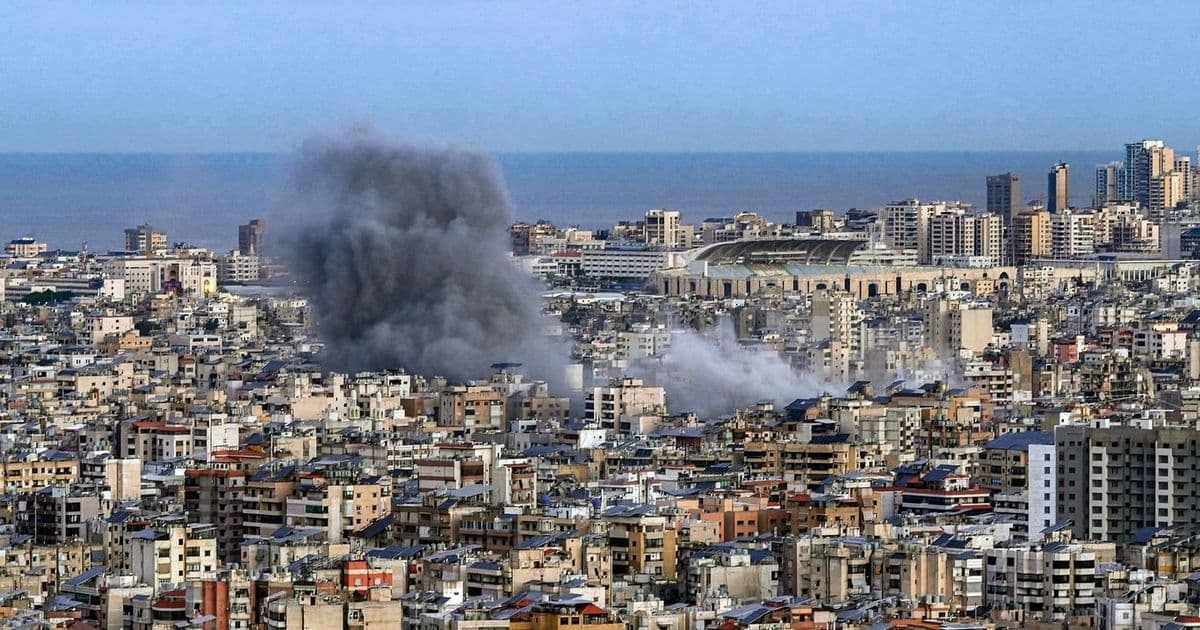
Lebanon has formally requested that the United States facilitate direct peace negotiations with Israel, signaling a potential diplomatic breakthrough in the ongoing Middle East conflict.
Lebanon has formally requested that the United States facilitate direct peace negotiations with Israel, marking a significant diplomatic shift as both nations seek to end the escalating violence that has gripped the region. The request, which came through official channels to Washington, represents a potential breakthrough in the long-standing tensions between the two countries.
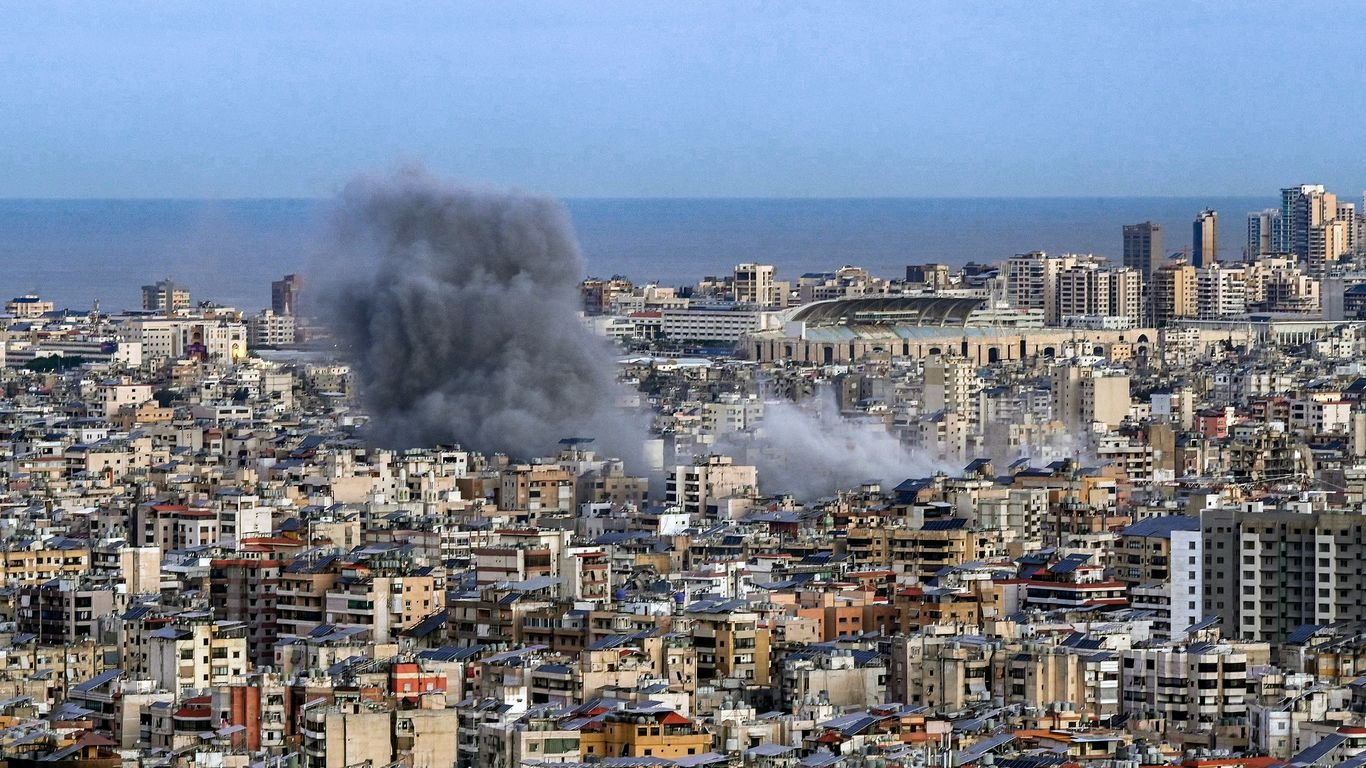
The move comes amid mounting pressure from the international community for de-escalation, with regional stability hanging in the balance. Sources familiar with the matter indicate that Lebanese officials have grown increasingly concerned about the humanitarian toll and economic impact of the ongoing hostilities, which have intensified in recent weeks.
Background on the Conflict The current round of fighting traces back to a series of cross-border incidents that spiraled into broader military engagements. Israel has cited security concerns along its northern border, while Lebanon has emphasized its right to defend against what it characterizes as provocative actions. The conflict has already resulted in significant casualties on both sides and displaced thousands of civilians.
U.S. Role in Middle East Diplomacy The United States has historically played a crucial role in mediating between Israel and its neighbors, though direct talks between the two nations remain relatively rare. Previous U.S.-brokered agreements have focused on establishing ceasefires and creating frameworks for future negotiations, but sustained peace has proven elusive.
Regional Implications Regional powers have been closely monitoring the situation, with some expressing cautious optimism about the potential for dialogue while others remain skeptical. The request for U.S. mediation could signal Lebanon's desire to avoid further isolation and potentially rebuild diplomatic ties with Israel under American auspices.
Economic and Humanitarian Impact The ongoing conflict has taken a severe toll on both economies, with Lebanon's already fragile financial situation facing additional strain. The humanitarian situation has deteriorated rapidly, with aid organizations struggling to reach affected populations amid the fighting.
Next Steps While the request for direct talks represents a positive development, significant obstacles remain. Both sides will need to agree on the scope and format of negotiations, as well as address fundamental security concerns. The success of any diplomatic initiative will likely depend on the level of support from regional allies and the international community.
International Response World leaders have generally welcomed the prospect of renewed dialogue, though many have urged both parties to exercise restraint and prioritize civilian safety. The United Nations has offered to provide logistical support for any negotiations that may take place.
Historical Context The current situation echoes previous attempts at Israeli-Lebanese dialogue, most of which have been mediated by third parties. The unique aspect of this request is the direct appeal to the United States, bypassing traditional regional mediators.
Security Considerations Any potential agreement would need to address long-standing security concerns on both sides, including border control, weapons proliferation, and the role of non-state actors in the region. These complex issues have historically proven difficult to resolve through diplomatic channels.
Economic Stakes The economic implications of continued conflict are substantial, with both nations facing significant reconstruction costs and potential loss of foreign investment. A successful diplomatic resolution could help stabilize regional markets and promote economic cooperation.
Humanitarian Concerns The humanitarian situation remains a primary driver for diplomatic efforts, with aid organizations warning of a potential crisis if fighting continues. The request for talks may reflect growing recognition of the need to address civilian suffering.
Timeline for Negotiations While no specific timeline has been established, diplomatic sources suggest that initial discussions could begin within weeks if both parties agree to the framework proposed by the United States. The speed of progress will likely depend on the level of mutual trust and willingness to compromise.
Regional Stability The outcome of these potential talks could have far-reaching implications for regional stability, potentially affecting relationships with other Middle Eastern nations and global powers. Success could create momentum for broader diplomatic initiatives in the region.
Future Prospects The request for direct talks represents a potential turning point, though the path to lasting peace remains uncertain. The international community will be watching closely to see if this diplomatic initiative can break the cycle of violence that has characterized Israeli-Lebanese relations for decades.
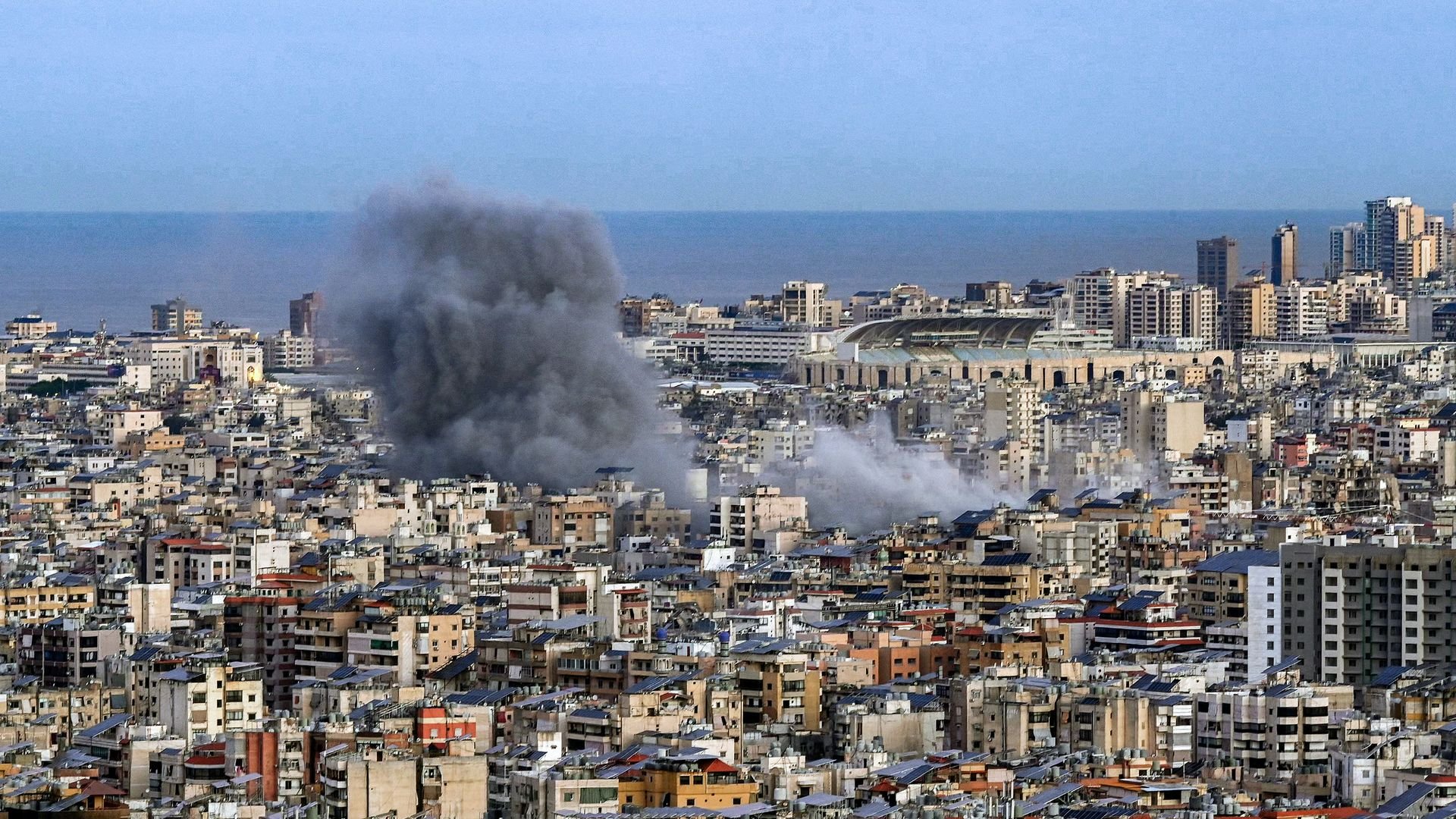
Analysis The decision to seek U.S. mediation reflects a pragmatic approach to conflict resolution, acknowledging the limitations of previous diplomatic efforts. The success of this initiative could depend on Washington's ability to balance the interests of both parties while maintaining credibility as a neutral mediator.
Expert Perspectives Middle East analysts suggest that the current request may represent a window of opportunity for meaningful dialogue, though they caution that significant challenges remain. The involvement of the United States could provide the necessary diplomatic framework for productive negotiations.
Conclusion The request for direct U.S.-mediated talks between Lebanon and Israel marks a potentially significant development in Middle East diplomacy. While many obstacles remain, the willingness to engage in dialogue offers hope for a peaceful resolution to the current conflict and potentially lays groundwork for improved relations between the two nations.
Comments
Please log in or register to join the discussion