
A creative maker has turned the Lego NASA Artemis SLS set into a working alarm clock using an Arduino Uno R4 WiFi, complete with rocket launch sounds and a rising rocket mechanism.
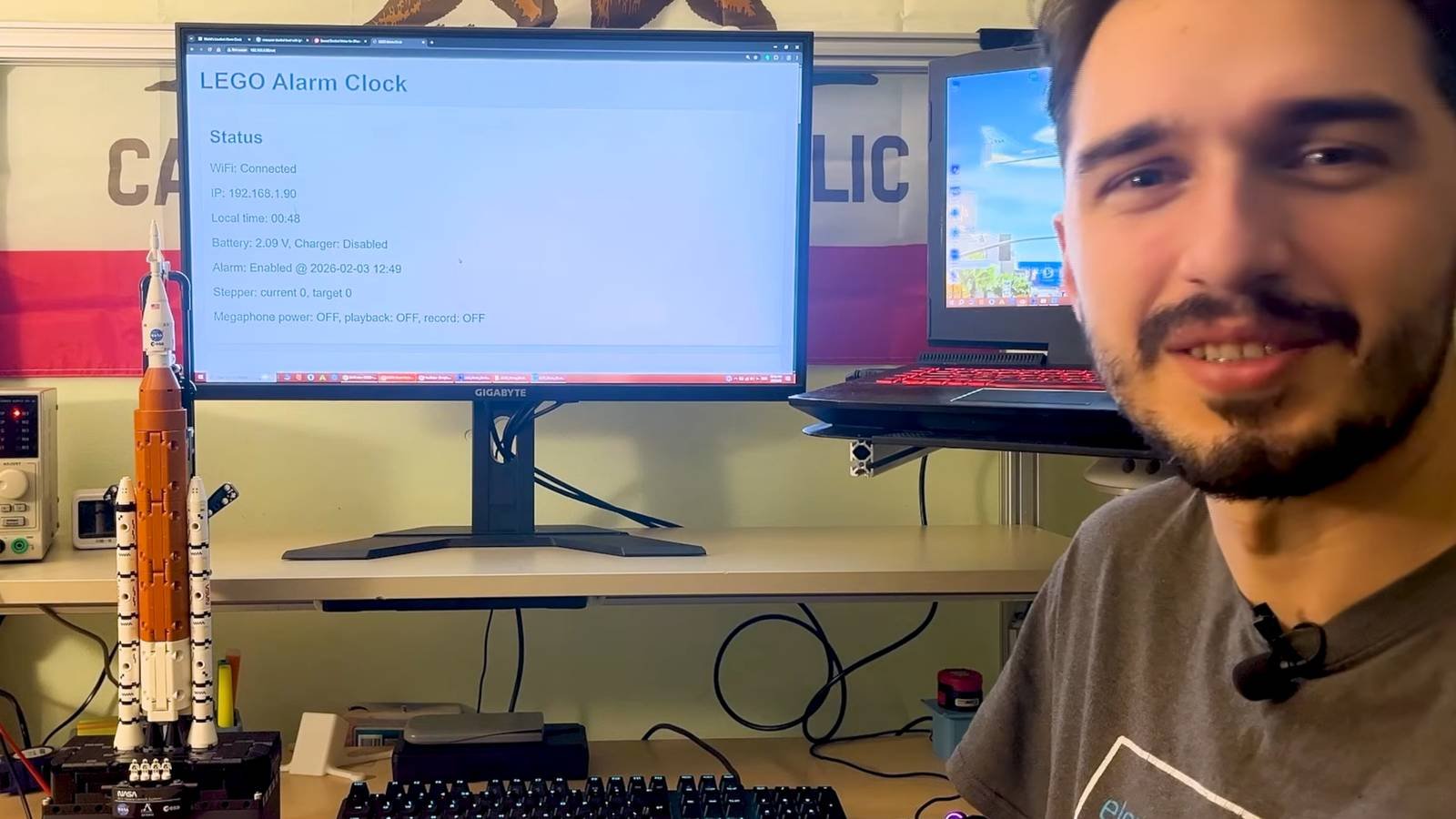
When Lego releases a new set, most builders follow the instructions to create the intended model. But some creative minds see beyond the box and transform these kits into something entirely new. That's exactly what happened when tinkerer Milos took the Lego NASA Artemis SLS set and turned it into a fully functional alarm clock that would make any space enthusiast excited to wake up in the morning.
The Build: Combining Lego Engineering with Arduino Power
The project centers around an Arduino Uno R4 WiFi microcontroller that serves as the brain of the operation. This board was chosen specifically for its WiFi capabilities, allowing for remote configuration and time synchronization through a custom web interface. The Arduino connects to the Lego set's existing launch mechanism, which has been modified to be driven by a stepper motor.
When the alarm goes off, the stepper motor activates, raising the rocket from its launchpad position. This physical movement adds a dramatic element that goes far beyond the typical smartphone alarm. The rocket doesn't just sit there beeping - it actually launches, creating a visual spectacle that's hard to ignore.
Sound Effects: No Buzzer Here
What's a rocket launch without the appropriate sound effects? Instead of using a simple buzzer or speaker, Milos took things to the next level by hacking a megaphone to play authentic rocket launch sounds. This choice adds both volume and authenticity to the wake-up experience. The megaphone's powerful output ensures that even the deepest sleepers will hear their "liftoff" alarm.
Smart Features: Web Interface and Time Sync
The Arduino Uno R4 WiFi's connectivity enables several smart features that make this more than just a novelty item. Through a custom web interface running directly on the Arduino, users can:
- Set and configure alarms remotely
- Sync the clock with internet time servers
- Adjust sound volume and launch parameters
- Monitor the system status
The web interface eliminates the need for physical buttons or displays on the clock itself, keeping the Lego aesthetic clean while providing full functionality through any WiFi-connected device.
Technical Implementation
While specific code details weren't provided in the original post, the project likely involves several key components:
- Stepper motor control: Using the Arduino's PWM capabilities to precisely control the rocket's ascent speed and position
- Audio playback: Either through a dedicated audio shield or by using the Arduino's PWM output to drive the megaphone's amplifier
- WiFi connectivity: For the web server functionality and time synchronization
- Real-time clock: To maintain accurate time even when WiFi is unavailable
The integration of these components demonstrates practical application of embedded systems concepts, making this project both educational and entertaining.
Why This Project Matters
Beyond being an impressive display piece, this Lego alarm clock represents the intersection of several important maker movement principles:
- Repurposing existing products: Taking a display model and giving it new functionality
- Combining different technologies: Merging Lego's mechanical systems with Arduino's electronics
- Creating interactive experiences: Moving beyond passive displays to active, engaging devices
- Learning through doing: Each component of the build teaches valuable skills in electronics, programming, and mechanical design
Similar Projects and Inspiration
This isn't the first time makers have combined Lego with electronics for creative projects. The Raspberry Pi community has seen similar innovations, such as the beautiful e-paper alarm clock mentioned in Simon Batt's related article. These projects share a common thread: using accessible technology to create personalized, functional devices that reflect the creator's interests.
Getting Started with Your Own Version
For those inspired to create their own version, the project requires:
- Lego NASA Artemis SLS set (or any Lego set with a suitable launch mechanism)
- Arduino Uno R4 WiFi (or similar WiFi-enabled board)
- Stepper motor and driver board
- Audio playback solution (MP3 module or similar)
- Basic electronic components (wires, breadboard, power supply)
- Programming knowledge (Arduino IDE and basic web development)
The project's modular nature means you could adapt it to other Lego sets or even non-Lego models, making it a versatile platform for creative alarm clock designs.
The Future of Smart Lego
Projects like this point toward an exciting future where Lego sets become platforms for IoT devices and smart home integration. Imagine a world where your Lego creations aren't just static displays but interactive, connected devices that serve practical purposes while maintaining their playful aesthetic.
As microcontrollers become more powerful and easier to program, we'll likely see more projects that blur the line between toys and functional technology. This Artemis SLS alarm clock is just one example of how creative makers are pushing the boundaries of what's possible with familiar toys and accessible electronics.
For now, Milos's creation stands as a testament to the maker spirit - taking something familiar and beloved, then transforming it into something entirely new and functional. It's the kind of project that reminds us why we fell in love with building things in the first place: the joy of creation, the satisfaction of problem-solving, and the pride of seeing your ideas come to life.
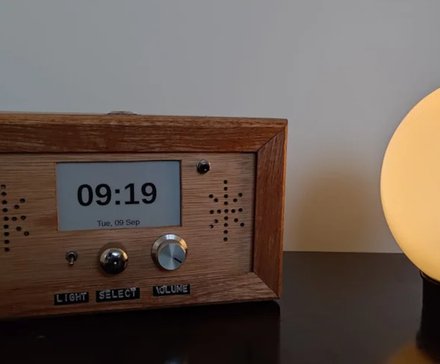
The e-paper alarm clock mentioned in the related article shows that there's a growing trend of makers creating personalized wake-up experiences. Whether through rocket launches or e-paper displays, these projects demonstrate that alarm clocks don't have to be boring - they can be expressions of personality and technical skill.
Comments
Please log in or register to join the discussion