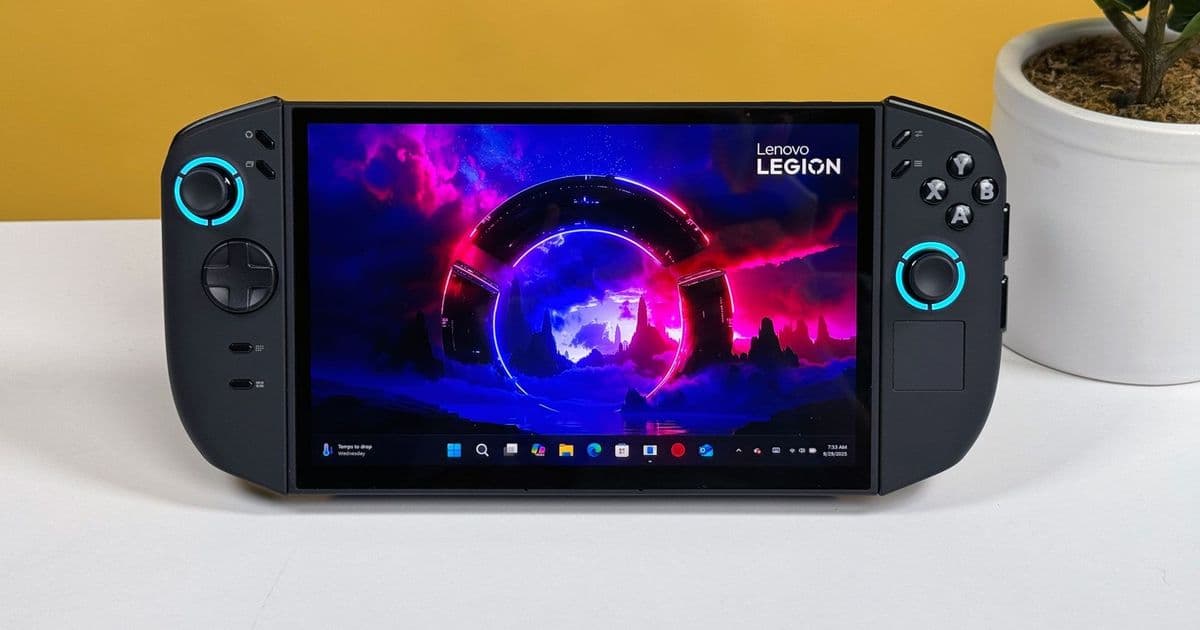
Lenovo has nearly doubled the price of its Legion Go 2 handheld gaming PC, with the 2TB model now costing $2,849 - more than competing AMD Strix Halo devices despite using a less powerful Z2 Extreme chip.
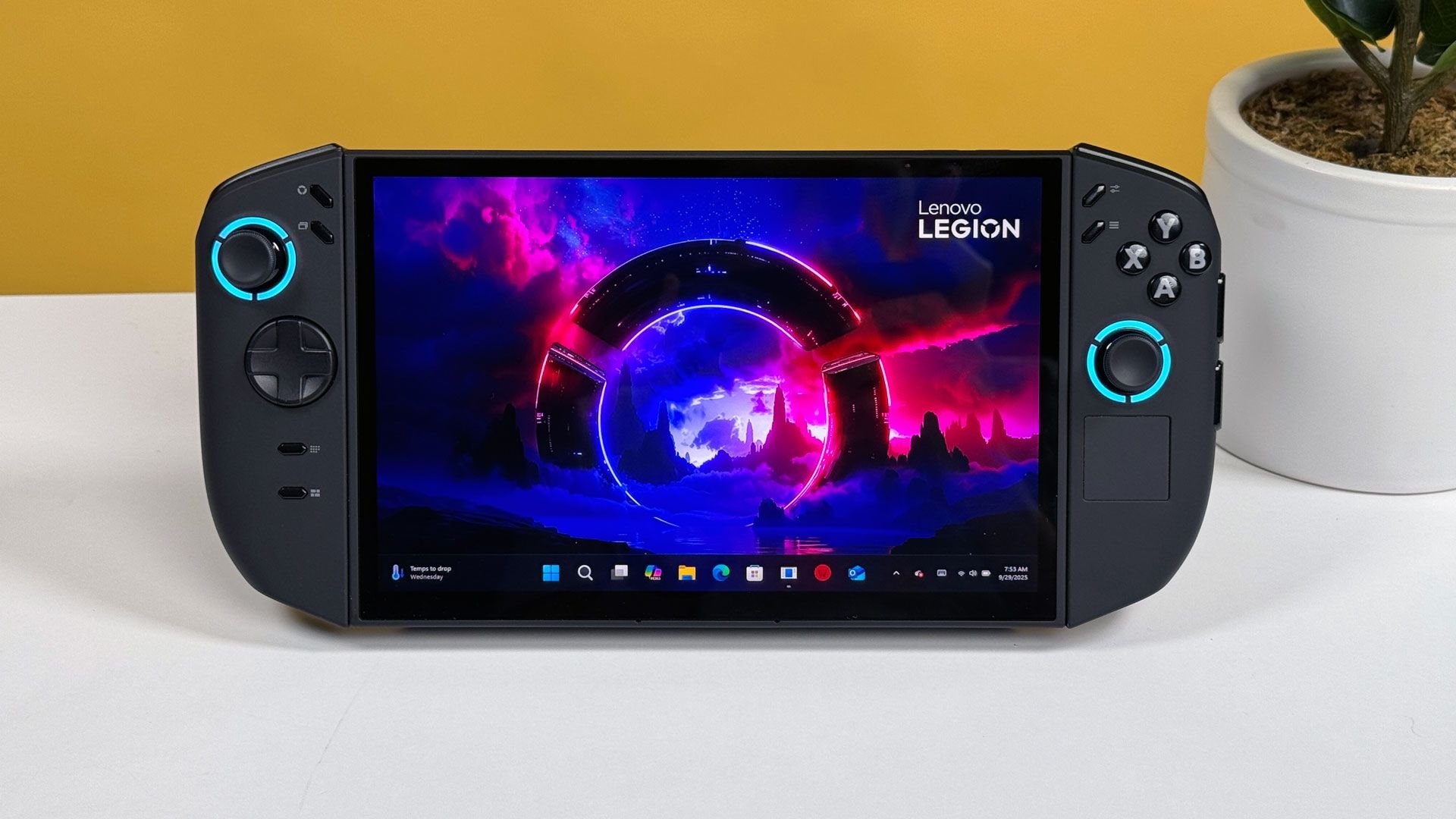
Lenovo has implemented a dramatic price increase for its Legion Go 2 handheld gaming PC, with the 2TB model now commanding a staggering $2,849 on the company's website - nearly double its launch price of approximately $1,480 and surpassing even AMD's more powerful Strix Halo devices.
The price hike affects all configurations of the Legion Go 2, with the base 1TB model jumping from $1,049 to $2,000 and the upgraded Z2 Extreme version increasing from $1,350 to $2,000. This represents a 90% price increase for the base model and a 48% increase for the Z2 Extreme variant in just a few months.
Market Context and Component Shortages
The price surge comes amid ongoing global component shortages, particularly for AI-focused hardware that has strained production lines across the industry. However, the magnitude of Lenovo's price increase appears to exceed typical supply chain cost pressures, especially when compared to competing handheld gaming devices.
For context, the OneXPlayer Apex with a Ryzen AI Max+ 395 and 48GB of RAM is available for pre-order at $2,299, while the 64GB RAM version with the same APU costs $2,799 - still cheaper than Lenovo's 2TB Legion Go 2 despite featuring AMD's more powerful Strix Halo architecture.
Performance Considerations
The pricing strategy becomes particularly questionable when examining the performance differential between the Legion Go 2's Z2 Extreme chip and competing Strix Halo devices. While the Z2 Extreme represents a modest improvement over the base Z1E, it falls significantly short of the performance offered by Strix Halo APUs.
Strix Halo devices deliver substantially higher CPU and GPU performance, though they typically sacrifice battery life and thermal efficiency in the process. This performance gap makes the Legion Go 2's premium pricing even more difficult to justify, especially at the $2,849 price point.
Competitive Landscape
When compared to other handheld gaming PCs in the market, Lenovo's pricing appears particularly aggressive. The ROG Xbox Ally X with 1TB storage is currently available for $999 - less than half the price of Lenovo's 2TB Legion Go 2 despite offering comparable gaming performance.
This pricing disparity suggests Lenovo may be pursuing a deliberate market segmentation strategy rather than simply passing along component cost increases. The company might be attempting to create clear differentiation between its handheld devices and traditional laptop offerings, though this approach risks alienating potential customers.
Availability and Market Response
Interestingly, some retailers continue to offer the Legion Go 2 at pre-hike prices, suggesting existing inventory is being sold through at original pricing levels. B&H Photo currently lists the 2TB model for $1,849.99, while Best Buy and Costco maintain product pages without current inventory.
This discrepancy between Lenovo's website pricing and retailer offerings indicates the price increase may be implemented gradually across distribution channels, or that Lenovo is testing market response to the higher price points.
Industry Implications
The Legion Go 2's pricing strategy raises broader questions about the handheld gaming PC market's maturity and pricing models. At nearly $3,000, the device enters territory traditionally occupied by high-end gaming laptops and premium ultraportables, forcing consumers to weigh the benefits of handheld portability against significantly more powerful traditional computing options.
This price point also challenges the value proposition of handheld gaming PCs as a whole, potentially slowing adoption rates and limiting the market to only the most dedicated enthusiasts or those with substantial disposable income.
The dramatic price increase serves as a reminder of the handheld gaming PC market's vulnerability to supply chain disruptions and the delicate balance manufacturers must strike between profitability and market accessibility.

As the handheld gaming PC segment continues to evolve, Lenovo's pricing strategy for the Legion Go 2 may influence how other manufacturers approach their own pricing models, potentially reshaping the competitive landscape for portable gaming devices in the coming months.
Comments
Please log in or register to join the discussion