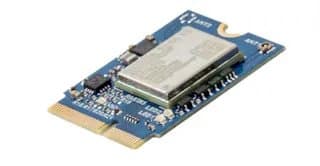
Linus Torvalds blocked all MultiMediaCard subsystem updates from Linux 7.0 after discovering untested code that failed basic compilation, delaying hardware support for NXP WiFi chips, Kingston eMMC optimizations, and Mediatek controllers.
Linux kernel development operates on a rigorous testing framework where changes undergo extensive vetting in the linux-next integration tree before reaching Linus Torvalds. This process prevents unstable code from entering mainline kernels, a safeguard that proved crucial when Torvalds encountered the proposed MultiMediaCard (MMC) subsystem updates for the upcoming Linux 7.0 release cycle.
The rejected patchset included substantive hardware support improvements:
| Feature | Device/Manufacturer | Benefit |
|---|---|---|
| Device IDs | NXP IW61x WiFi chips | SDIO-based WiFi hardware recognition |
| Secure Erase/TRIM | Kingston eMMC | Optimized flash storage maintenance |
| Controller Support | Mediatek MT8189 | Enhanced compatibility for ARM-based systems |
| Core Updates | DW_MMC & SHDCI drivers | Code cleanups and maintenance improvements |
Torvalds flagged critical build failures during merge review, specifically when the kernel was compiled with CONFIG_MULTIPLEXER=m (module configuration). The commit ad314348ceb4 ("mux: Add helper functions for getting optional and selected mux-state") created conflicting function definitions between mux/consumer.h and drivers/mux/core.c. This occurred because header guards checked for CONFIG_MULTIPLEXER while the module build defined CONFIG_MULTIPLEXER_MODULE, bypassing dummy function implementations and causing redefinition errors.
Torvalds' response was unequivocal: "No. Those changes are complete garbage and don't even compile. It has apparently never been in linux-next or been build-tested in any way... I will not be pulling anything more from you this merge window. Stop sending me untested crap."
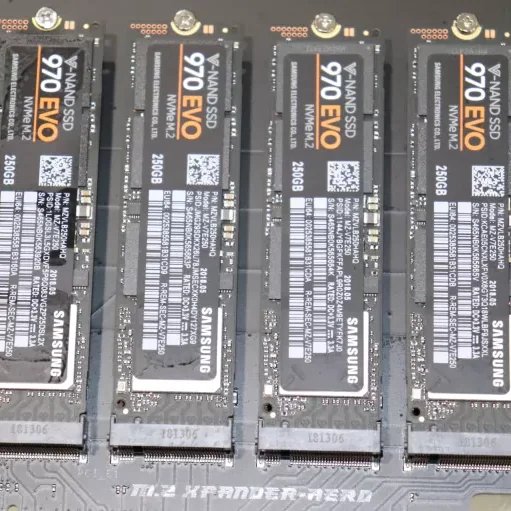
Implications for Hardware Compatibility
This rejection delays several hardware-enabling features:
- NXP IW61x WiFi: Systems using these SDIO WiFi chips won't gain native support until Linux 7.1
- Kingston eMMC Optimization: Secure erase/TRIM operations remain unoptimized, potentially impacting write endurance and performance on embedded devices
- Mediatek MT8189: Chromebooks and tablets using this SoC miss storage controller refinements
Build Recommendations
For developers and homelab users requiring these features:
- Wait for Linux 7.1: The changes may reappear in April 2026 after proper linux-next testing
- Manual Backporting: Skilled users can cherry-pick commits from the MMC Git repository but must verify build integrity
- Test Configurations: Always compile kernels with both
=y(built-in) and=m(module) options for critical subsystems
The incident underscores the Linux kernel's uncompromising quality standards. As Torvalds noted, maintainers must ensure patches spend adequate time in linux-next—typically 1-2 weeks—to catch build failures and integration issues before mainline submission. For storage and embedded developers, this delay highlights the importance of validating driver changes against real hardware configurations early in the development cycle.
Comments
Please log in or register to join the discussion