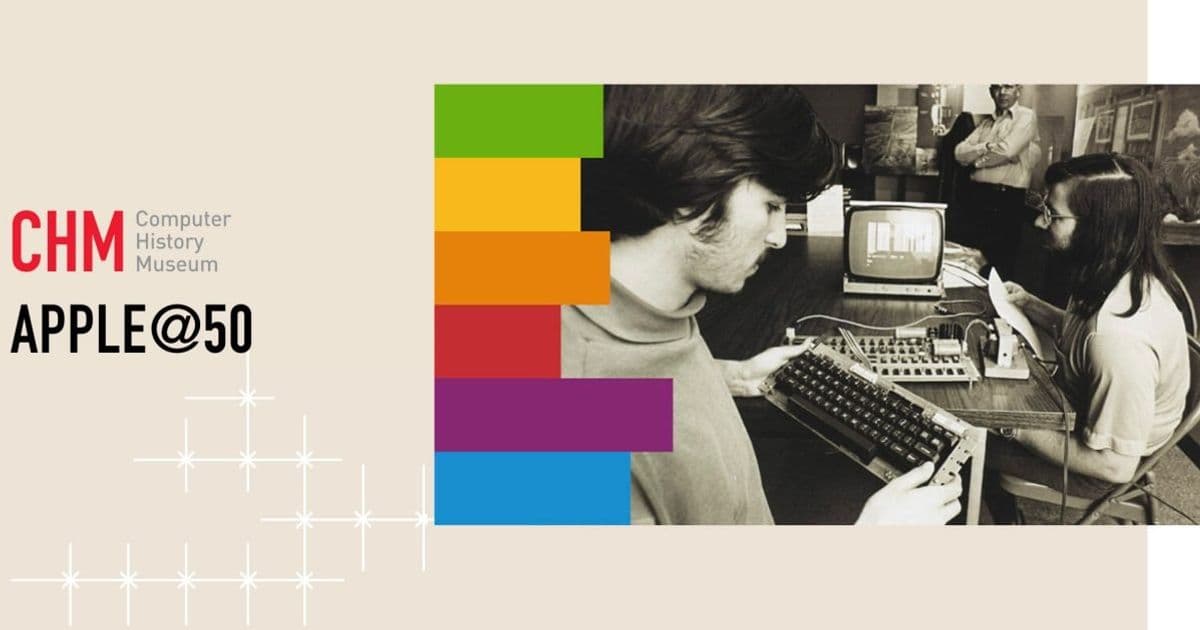
The Computer History Museum announces Apple@50 celebration with prototype displays and special programming marking Apple's half-century milestone.
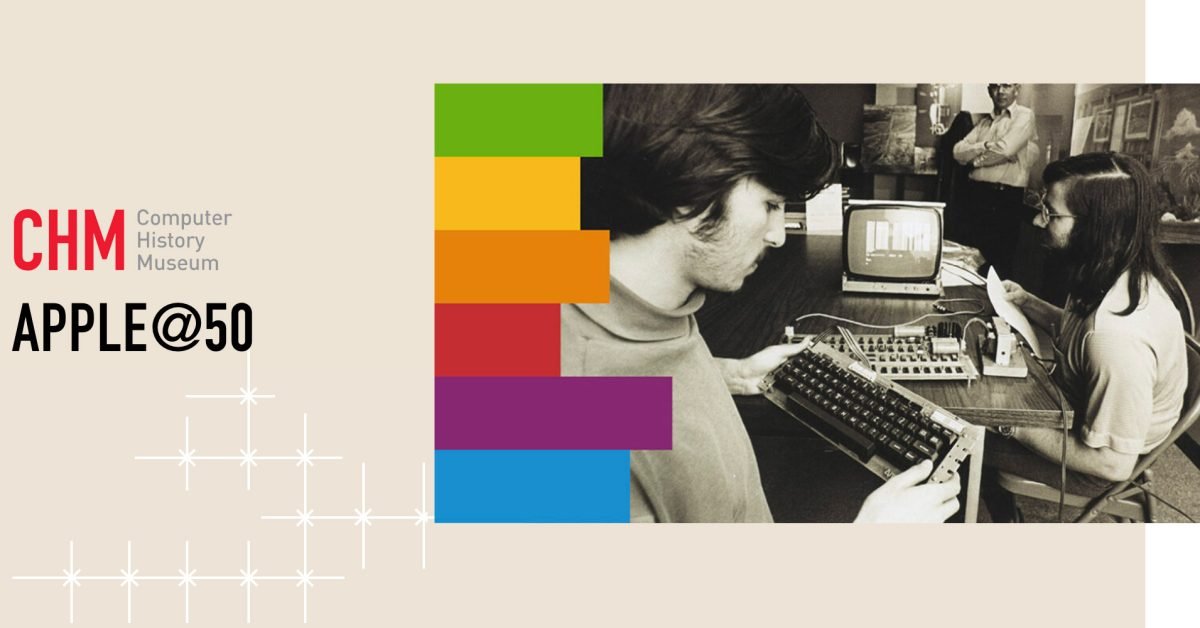
The Computer History Museum (CHM) in Mountain View has unveiled plans for Apple@50, a comprehensive celebration honoring Apple's 50th anniversary on April 1, 2026. Located just miles from Apple's original garage birthplace, the museum will host a temporary exhibit showcasing rare prototypes alongside special programming exploring Apple's technological legacy. The announcement follows Apple CEO Tim Cook's recent confirmation that the company will commemorate its half-century milestone, though specific corporate plans remain undisclosed.
CHM's exhibit will feature physical artifacts from its extensive computing collection, including working prototypes and pre-production hardware that demonstrate Apple's design evolution. Museum curators emphasize the display will contextualize how Apple's philosophy of accessible personal computing transformed human interaction with technology. "On April 1, 1976, Apple Computer was founded with a radical idea: that powerful computing should be personal," states CHM's announcement. "Fifty years later, Apple stands as one of the most influential technology companies in history—shaping not only products, but culture, design, and how billions of people interact with technology every day."
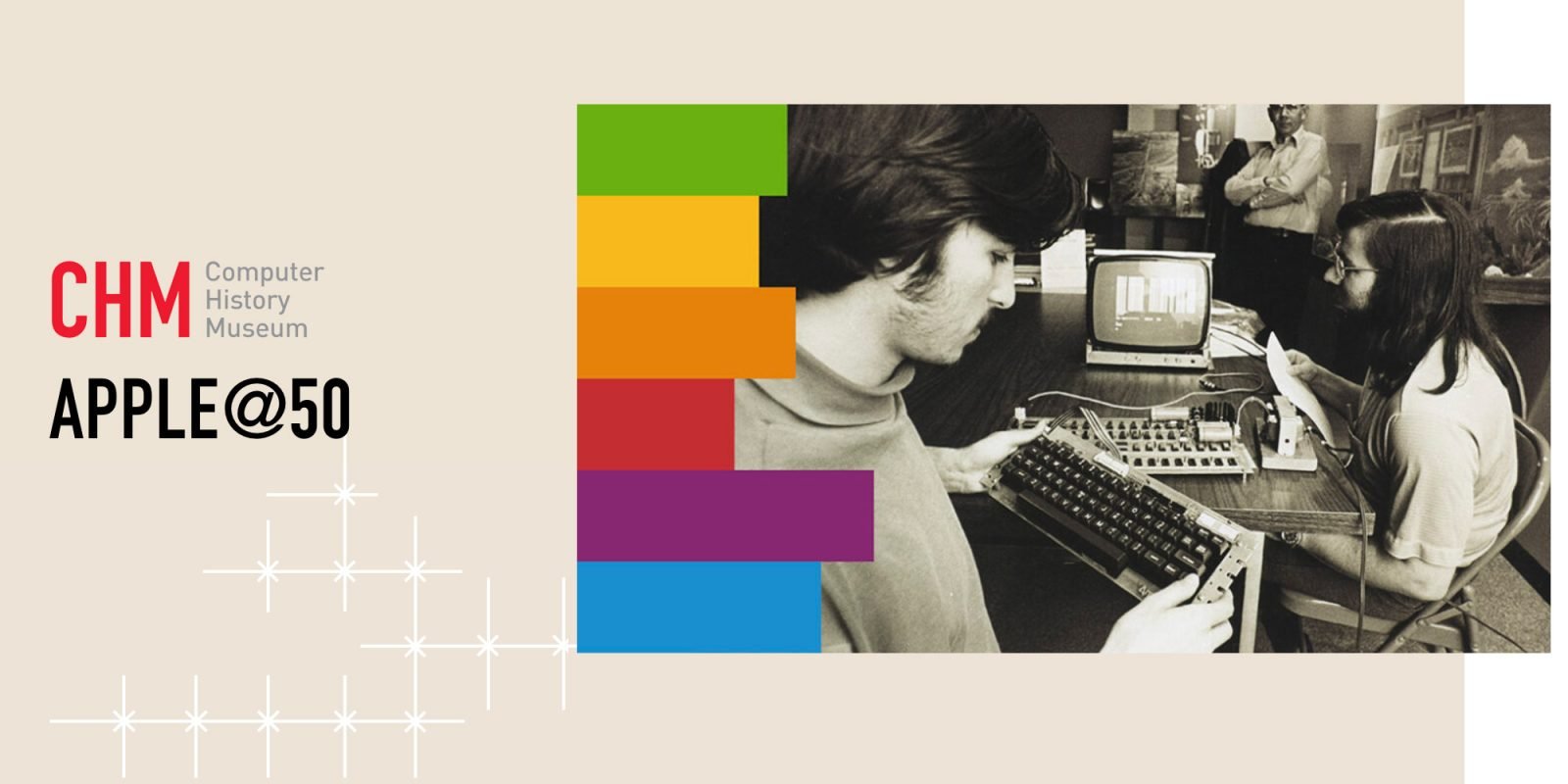
Supplementing the physical exhibit, CHM will host live demonstrations illustrating pivotal moments in Apple's software history, including early Macintosh system software transitions and the shift from PowerPC to Intel architectures. Digital archives will showcase software interfaces from System 1 through macOS Sonoma, allowing visitors to compare interaction paradigms across decades. Educational sessions will examine how Apple's ecosystem approach—from the Apple II's expansion slots to today's Continuity features—created persistent vendor lock-in advantages while driving industry-wide usability standards.
Enrollment is now open for email updates about specific programming dates and exhibit details. The museum hasn't specified whether artifacts from unreleased projects will be displayed, though CHM's permanent collection includes Apple Lisa prototypes and Newton development units. This institutional celebration coincides with upcoming commercial projects like David Pogue's authorized history Apple: The First 50 Years, available for pre-order ahead of its March release.
For technology historians, the anniversary underscores Apple's paradoxical evolution from counterculture startup to ecosystem gatekeeper. The company's vertical integration strategy—controlling hardware, operating systems, and services—created unprecedented user experience consistency while limiting cross-platform compatibility. Visitors exploring CHM's exhibits can trace how decisions like the Lightning connector transition and App Store policies extended Apple's ecosystem control even as competitors embraced universal standards like USB-C.
Bay Area residents and Apple enthusiasts planning anniversary visits should monitor CHM's announcement channels for opening dates. The museum's proximity to Apple Park makes it a logical pilgrimage site during anniversary observances, though no collaborative events with Apple corporate have been confirmed. As additional institutions announce commemorative projects, CHM's prototype-focused approach offers unique insight into the development processes behind iconic devices that redefined mobile computing.
Comments
Please log in or register to join the discussion