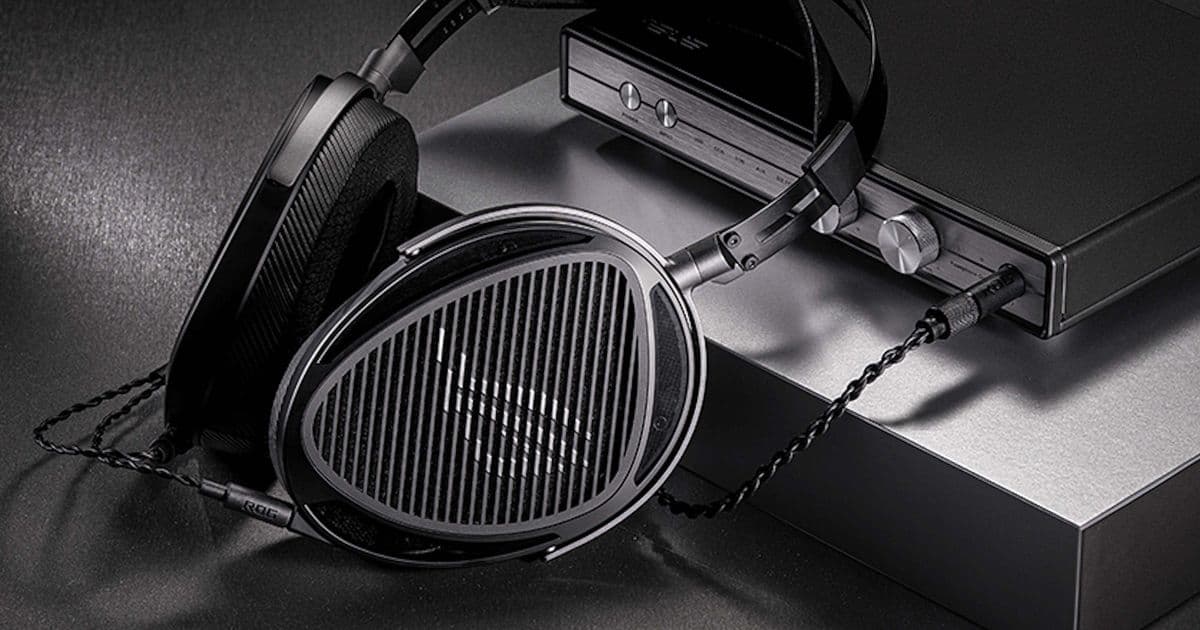
Asus launches the ROG Kithara gaming headset featuring rare 100mm planar magnetic drivers from Hifiman, prioritizing audiophile-grade sound reproduction over active noise cancellation with its open-back design.
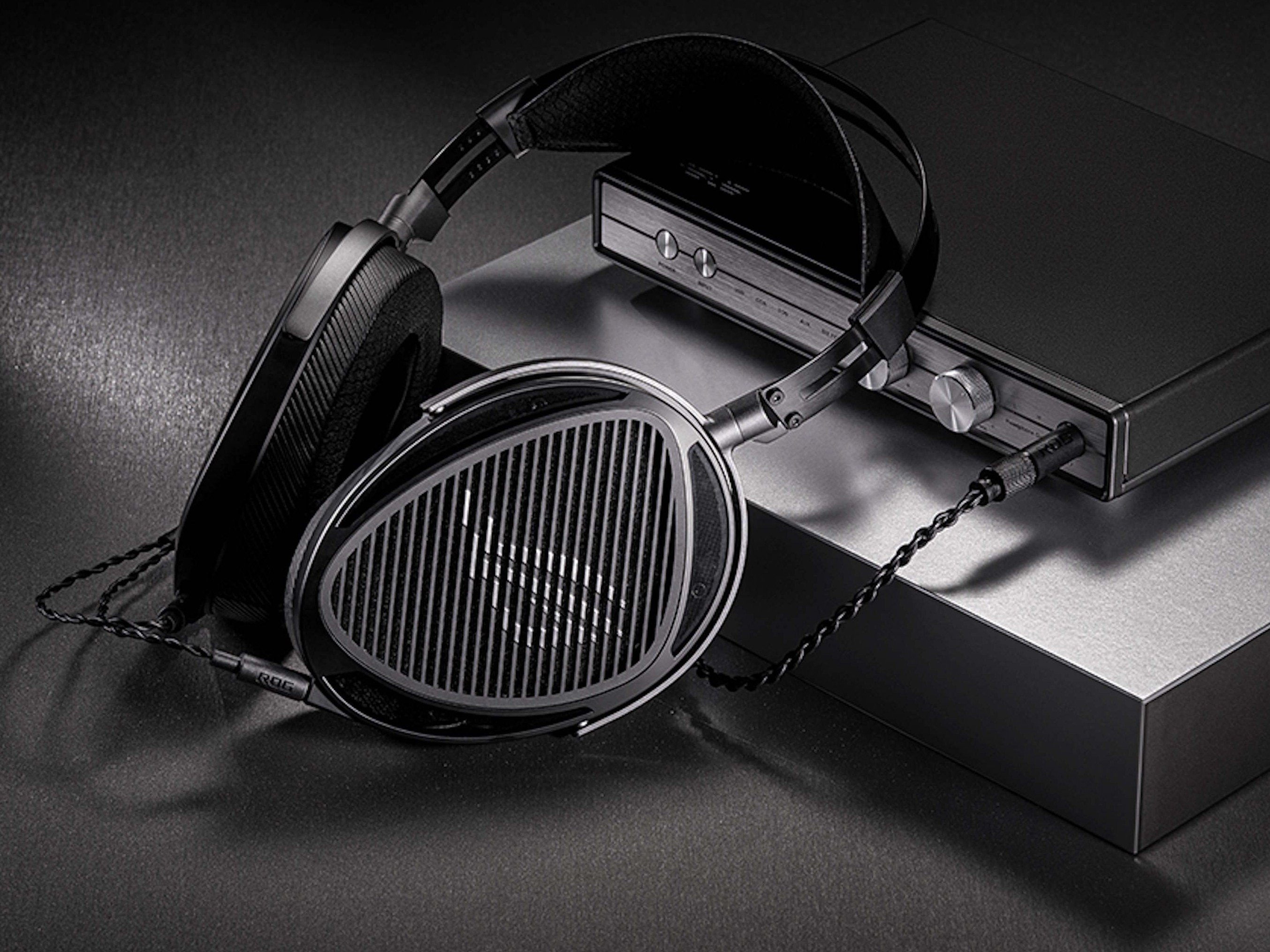
Asus has launched the ROG Kithara gaming headset, positioning it as a premium audio solution for discerning gamers with its standout feature: massive 100mm planar magnetic drivers sourced from renowned audiophile brand Hifiman. Priced at $299 and currently available on Amazon, the Kithara challenges conventional gaming headset design by prioritizing uncompromised sound quality over flashy features.
What's New: Planar Magnetics Meet Gaming The Kithara's 100mm planar magnetic drivers represent a significant departure from typical gaming headsets that use dynamic drivers. Planar magnetic technology employs a thin, flat diaphragm suspended between magnetic arrays, enabling faster response times and lower distortion compared to traditional cone drivers. This allows the Kithara to cover an exceptionally wide frequency range of 8Hz to 55kHz—far beyond human hearing but beneficial for harmonic reproduction. Asus emphasizes the driver's ability to deliver distinct separation between bass, mids, and treble frequencies, which translates to superior spatial awareness in games where directional audio cues are critical.
The open-back design further enhances soundstage width but eliminates any possibility of active noise cancellation (ANC). This trade-off means ambient noise will be audible during use—a deliberate choice favoring acoustic transparency over isolation. The design includes replaceable earpad cushions and an adjustable headband with metal hinges for durability, though the non-folding design and lack of carrying case limit portability.
How It Compares: Audiophile Tech in Gaming Form At $299, the Kithara enters a competitive space dominated by headsets like the Audeze Maxwell ($299) and Sennheiser PC38X ($169). While the Maxwell also uses planar magnetic drivers, its 90mm drivers are smaller than the Kithara's 100mm units, potentially offering less air movement for impactful bass. Compared to dynamic driver alternatives like the SteelSeries Arctis Nova Pro ($349), the Kithara's planar technology provides superior transient response for clearer audio separation during chaotic gameplay scenarios.
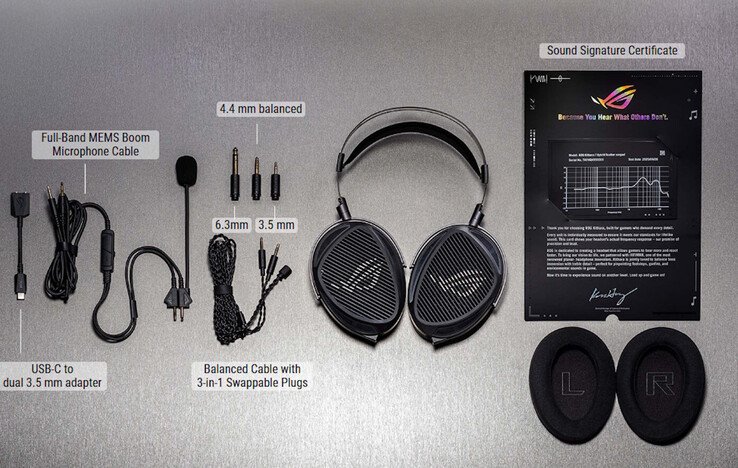
The microphone implementation also stands out: a MEMS boom mic covering 20Hz–20kHz rivals studio-grade headsets like the Beyerdynamic MMX 300 ($349). Connectivity options surpass typical gaming headsets with included dual 3.5mm cables, balanced 4.4mm and single-ended 6.3mm plugs, plus a USB-C adapter—making it compatible with consoles, PCs, and high-end DACs.
Who It's For: The Sound-First Gamer This headset targets gamers who prioritize audio fidelity above all else. The open-back design makes it unsuitable for noisy environments but ideal for quiet home setups where expansive soundstaging enhances immersion. Competitive FPS players will benefit from precise directional cues, while RPG enthusiasts gain richer environmental details. The 425g weight is reasonable for extended sessions, though those needing travel-friendly gear should note the non-folding design.
With a 74dB signal-to-noise ratio ensuring clean amplification and replaceable components extending lifespan, the Kithara justifies its price through durable construction and uncommon driver technology. It's not a universal solution—the lack of ANC and wireless functionality will deter some—but represents a compelling option for gamers seeking studio-grade sound in a purpose-built gaming headset.
Comments
Please log in or register to join the discussion