
Comprehensive benchmarking of EXT4 and XFS file-systems across Linux kernel versions 6.12 through 7.0 reveals performance trends and the growing lead of XFS in modern kernel releases.
Linux 6.12 Through Linux 7.0 File-System Benchmarks For EXT4 + XFS
Written by Michael Larabel in Software on 13 March 2026 at 10:00 AM EDT
Earlier this month, comprehensive Linux 7.0 file-system benchmarks revealed XFS taking the lead in overall upstream Linux file-system performance on the forthcoming kernel. Following that testing, premium supporters requested a deeper historical analysis of XFS and EXT4 performance across kernel versions.
This article examines how XFS and EXT4 have performed on every kernel release from Linux 6.12 LTS through 7.0. The testing cutoff at 6.12 LTS, which extends to November 2024 and represented that year's Long Term Support kernel, was chosen due to the extensive time required for each round of file-system benchmarks.
Testing Methodology
Only EXT4 and XFS were evaluated in this comparison, with a separate article in development for Btrfs file-system performance across succeeding kernels. Both file-systems were tested using default mount options, and all kernel builds were sourced from the Ubuntu Mainline Kernel PPA to ensure easy reproducibility.
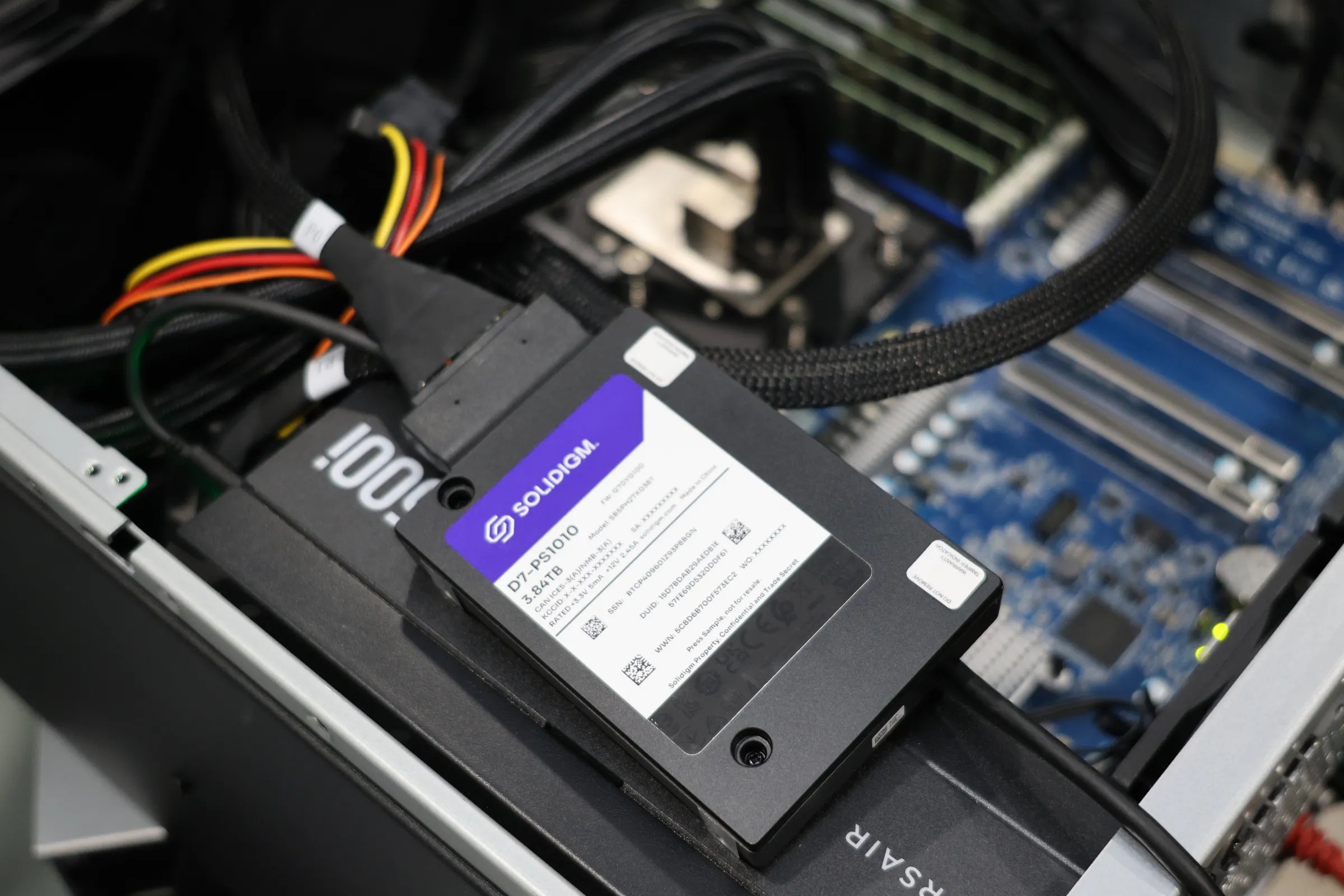
The hardware configuration featured a Solidigm D7-PS1010 PCIe 5.0 NVMe SSD (SB5PH27X038T) for testing file-systems across Linux kernel versions. This high-performance storage device was paired with an AMD EPYC 9745 128-Core Zen 5 CPU, Gigabyte MZ33-AR1 motherboard, and 12 x 64GB DDR5 memory modules.
Testing was conducted on an Ubuntu 26.04 development snapshot with all latest packages installed on this AMD EPYC Turin server platform.

Performance Evolution Analysis
The benchmarks track approximately a year and a half of Linux kernel releases, providing insights into how EXT4 and XFS file-system performance has evolved. This timeframe captures significant kernel development cycles and optimization efforts that have impacted storage subsystem performance.
Benchmark Results Overview
The comprehensive testing covered multiple workloads across seven pages of detailed analysis:
- Page 2-3: FIO - Synthetic I/O benchmarks testing various read/write patterns
- Page 4: ClickHouse + Apache CouchDB - Database performance under different workloads
- Page 5: CockroachDB + TigerBeetle - Distributed database and financial transaction system benchmarks
- Page 6: MariaDB - Traditional relational database performance
- Page 7: DuckDB + PostgreSQL - Analytical database and enterprise database workloads

Key Findings
The historical comparison reveals interesting trends in how these two mature file-systems have responded to kernel optimizations and changes. XFS has shown particular resilience and performance improvements in recent kernel versions, contributing to its leading position in the Linux 7.0 benchmarks.
EXT4 continues to demonstrate solid performance characteristics, though the gap between it and XFS has shown varying patterns across different workload types and kernel versions.
Hardware Context
The use of cutting-edge hardware, including the Solidigm PCIe 5.0 NVMe SSD and AMD EPYC Zen 5 processor, ensures that the benchmarks push the limits of both file-systems and provide relevant data for high-performance computing scenarios.
The combination of high-core-count CPU, substantial memory capacity, and next-generation storage technology creates a testing environment that reveals subtle performance differences that might not be apparent on more modest hardware configurations.
Reproducibility and Future Testing
By utilizing the Ubuntu Mainline Kernel PPA for all tested builds, the methodology ensures that readers can reproduce these benchmarks or conduct their own comparative testing with minimal effort.
The separate Btrfs comparison article will provide a more complete picture of Linux file-system performance evolution, allowing for direct comparisons between all three major Linux file-systems across the same kernel versions and hardware platform.
This comprehensive benchmarking effort provides valuable data for system administrators, developers, and enthusiasts making informed decisions about file-system selection for Linux deployments across different kernel versions.
Comments
Please log in or register to join the discussion