The latest Linux kernel release candidate closes a microarchitectural vulnerability in RISC-V processors by implementing syscall table index sanitization under speculation, mirroring protections already deployed on x86 and ARM64 architectures.
The Linux kernel's RISC-V architecture support has gained critical protection against speculative execution side-channel attacks with the merging of syscall table sanitization patches for Linux 6.19-rc5, released this weekend. This security fix addresses a fundamental vulnerability class that affects modern high-performance RISC-V cores implementing out-of-order execution.
The Vulnerability: User-Controlled Indexing Under Speculation
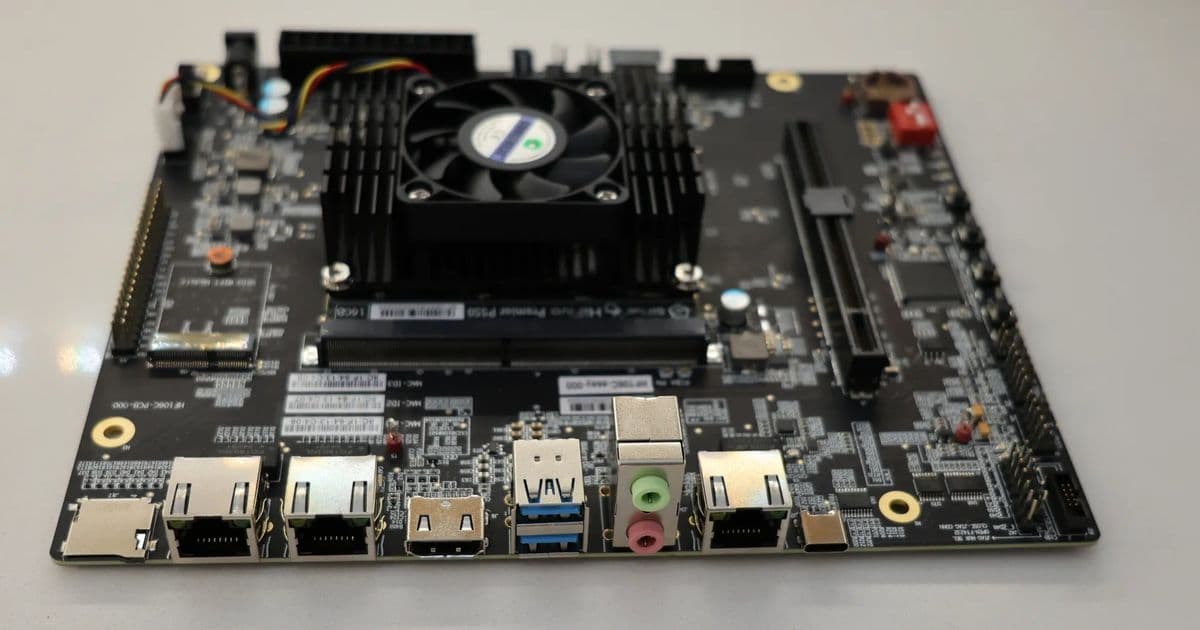
The core issue stems from how modern CPUs handle system calls. When a RISC-V application triggers a system call, the kernel must index into its syscall table using a user-provided system call number. On in-order processors, this sequence is straightforward: check bounds, then index. However, out-of-order execution cores—now increasingly common in RISC-V designs like SiFive's P550 and upcoming high-performance cores—speculatively execute instructions ahead of branch resolution.
This creates a dangerous window where a malicious program could provide a syscall number that passes initial bounds checks but, during speculative execution, causes the CPU to temporarily access memory outside the valid syscall table range. While the CPU ultimately discards this speculative work after detecting the bounds violation, the speculative memory access can leave traces in the CPU's cache hierarchy. Attackers can then use precise timing measurements to infer which memory locations were touched, potentially leaking sensitive kernel data.
The RISC-V kernel code now implements the same protection mechanism used on x86 and ARM64: array_index_nospec(). This barrier primitive ensures that even if speculative execution attempts to use an out-of-bounds index, the actual array access uses a clamped value that stays within legitimate bounds. The kernel's merge comment explicitly states this prevents "branch poisoning microarchitectural attacks that use the syscall index as a vector."
Why This Matters for RISC-V's Future
RISC-V's open architecture has enabled rapid innovation, but with that comes responsibility. As RISC-V cores evolve from simple microcontrollers to complex, high-performance processors capable of competing with ARM and x86 designs, they inherit the same speculative execution vulnerabilities that have plagued those architectures for nearly a decade.
The SiFive HiFive Premier P550, for example, represents a new generation of RISC-V processors designed for compute-intensive workloads. These cores implement aggressive out-of-order execution, branch prediction, and speculative execution—features essential for performance but which create side-channel attack surfaces. Without proper mitigations, RISC-V systems would remain vulnerable to variants of Spectre, Meltdown, and related attacks that have required extensive patching across the industry.
This fix demonstrates that the RISC-V ecosystem is maturing beyond its embedded-systems roots. The Linux kernel community is proactively applying lessons learned from x86 and ARM64 security hardening to RISC-V before these vulnerabilities can be exploited in production systems. This preventative approach is crucial for RISC-V's adoption in security-sensitive environments like cloud infrastructure, enterprise servers, and mobile devices.
Technical Implementation Details
The array_index_nospec() function works by creating a memory barrier that prevents speculative execution from using potentially dangerous index values. When a syscall number is validated as being within bounds (0 to __NR_syscalls), the function ensures that any subsequent speculative access uses a sanitized index that cannot exceed the array's legitimate range.
On RISC-V, this implementation must account for the architecture's memory ordering model and speculative execution behavior. The patch modifies the RISC-V syscall entry path to include this sanitization step, ensuring that:
- User-provided syscall numbers are bounds-checked
- The validated index is sanitized using
array_index_nospec() - Only the sanitized index is used for table access, even during speculative execution
- Any speculative attempts to access out-of-bounds memory are prevented from leaking data via cache side channels
This mirrors the approach taken years ago for x86 and ARM64, where similar vulnerabilities were identified and patched. The RISC-V implementation benefits from these prior efforts, allowing for a more mature security posture from the start.
Broader Implications for the RISC-V Ecosystem
This security fix represents more than just a single patch—it signals the RISC-V community's commitment to addressing the full spectrum of modern processor security challenges. As RISC-V designs become more complex, they will face the same security pressures as established architectures:
Performance vs. Security Trade-offs: Mitigations like
array_index_nospec()introduce minimal overhead, but widespread speculative execution protections can impact performance. RISC-V designers must balance these factors.Hardware/Software Co-design: The open nature of RISC-V allows for hardware-level mitigations that could potentially reduce the performance impact of software-only fixes. Future RISC-V cores might implement hardware bounds checking that eliminates the need for some software mitigations.
Verification and Testing: As RISC-V cores grow in complexity, rigorous verification becomes essential. The same speculative execution testing methodologies used for x86 and ARM must be applied to RISC-V to ensure new vulnerabilities don't emerge.
Looking Ahead
Linux 6.19-rc5 includes this RISC-V syscall sanitization alongside other fixes that will be part of the final 6.19 release. For RISC-V developers and system integrators, this means that systems running Linux 6.19 or later will have this protection automatically enabled.
The timing is significant. With major RISC-V hardware announcements expected throughout 2026, including server-class processors and high-performance compute accelerators, this security hardening arrives at a critical moment. It ensures that the RISC-V software stack matures in parallel with hardware capabilities.
For organizations evaluating RISC-V for deployment, this patch provides confidence that the ecosystem is addressing security concerns proactively rather than reactively. The fact that RISC-V is receiving the same security attention as x86 and ARM64 in the Linux kernel demonstrates its growing importance as a first-class architecture.
The broader lesson is clear: speculative execution vulnerabilities are not architecture-specific. Any processor implementing out-of-order execution with user-influenced branching faces similar risks. RISC-V's inclusion in the club of architectures requiring these mitigations is both a sign of its technical maturity and a reminder that security must be built in from the beginning, not bolted on after exploitation occurs.
As the RISC-V ecosystem continues its rapid expansion into compute-intensive domains, expect to see more security hardening patches like this one. The architecture's open nature provides an opportunity to build security into the specification itself, potentially creating a more resilient foundation than closed architectures that must retrofit protections onto existing designs.
Linux 6.19-rc5 is available now for testing, with the final release expected in the coming weeks. RISC-V developers and security researchers should verify that their systems include these protections and continue monitoring for additional security updates as the architecture evolves.
For more information on RISC-V security and the Linux kernel implementation, refer to the RISC-V Linux kernel documentation and the array_index_nospec() documentation.
Comments
Please log in or register to join the discussion