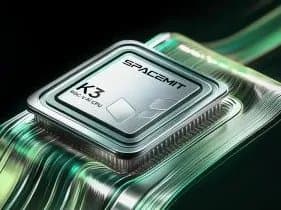
Linux kernel 7.0 introduces mainline support for SpacemiT's 8-core RISC-V K3 processor implementing the RVA23 profile and Qualcomm's Snapdragon 8 Elite Gen 5 'Kaanapali' SoC, accelerating hardware compatibility and performance optimization for future devices.
The upcoming Linux 7.0 kernel release marks a significant leap for hardware compatibility with its newly merged SoC support. Leading the ARM and RISC-V updates are two major additions: SpacemiT's Key Stone K3 SoC implementing the RISC-V RVA23 profile and Qualcomm's Snapdragon 8 Elite Gen 5 "Kaanapali" platform. These additions promise broader ecosystem support and pave the way for performance-optimized devices across consumer and enterprise segments.
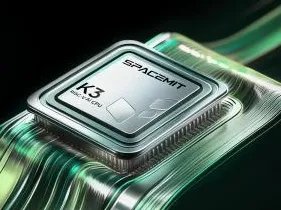
The SpacemiT K3 stands out as the first widely available RISC-V chip implementing the RVA23 application processor profile. This 8-core design clocks up to 2.4GHz and represents a critical milestone for RISC-V adoption in performance-sensitive workloads. Mainline kernel support eliminates the need for out-of-tree patches, ensuring better stability, security updates, and performance tuning. For homelab builders and embedded developers, this means reduced deployment friction for RVA23-based systems. Given RVA23's focus on standardized vector extensions and memory consistency, we anticipate competitive integer throughput in server-like configurations, though actual benchmarks will depend on memory subsystem implementation and thermal design power (TDP) constraints.
Qualcomm's Kaanapali (Snapdragon 8 Elite Gen 5) brings eight custom Oryon CPU cores to the mainline kernel. Previously seen in laptop-focused Snapdragon X series chips, Oryon cores deliver x86-competitive performance per watt. Mainline integration allows community-driven optimization for power management and scheduling. Based on Qualcomm's implementation in similar cores, we expect TDP to range between 15-30W depending on clock throttling behavior. This SoC could bridge performance gaps in ARM-based servers and high-end mini PCs, particularly when paired with Linux's growing hardware acceleration support.
Secondary SoC additions include:
- NXP's cost-reduced i.MX8QP and i.MX952 for industrial applications
- Realtek RTD1501S, RTD1861B, and RTD1920 chips targeting NAS devices and set-top boxes
- Snapdragon 7s Gen 3 SM7635 for mid-range smartphones like the Fairphone Gen 6
Beyond SoC enablement, Linux 7.0 enhances firmware infrastructure:
- New Trusted Execution Environment (TEE) drivers bolster security for confidential computing
- AMD, NXP, and Qualcomm TEE drivers received critical updates
- MediaTek MT8196 gains dynamic voltage/frequency scaling (DVFS) support
- Qualcomm SCM firmware improvements aid Snapdragon X2 "Glymur" development
- Apple Silicon drivers are now enabled in default ARM64 kernel configurations
The inclusion of SpacemiT K3 proves especially significant for RISC-V's trajectory. With mainline support, developers can build standardized RVA23 environments without proprietary forks, potentially accelerating software porting efforts. We recommend enthusiasts monitor power efficiency metrics once hardware becomes available—RISC-V's lack of legacy instruction bloat could yield wattage advantages over comparable ARM designs. For Qualcomm platforms, kernel-level SCM and TEE enhancements may reduce virtualization overhead in containerized workloads.
While synthetic benchmarks remain pending physical hardware access, these additions demonstrate Linux's evolving readiness for diverse architectures. Homelab builders should note that RVA23 compliance ensures compatibility with future RISC-V distributions, while Kaanapali support could yield high-performance ARM builds once OEM platforms emerge.
Comments
Please log in or register to join the discussion