Major memory management improvements in Linux 7.0 deliver measurable performance gains across Zram, hugepage handling, folio allocation, and swap operations.
The Linux 7.0 kernel merge window has incorporated substantial memory management (MM) updates that yield tangible performance improvements across various workloads. Andrew Morton submitted these patches, which Linus Torvalds subsequently merged, focusing primarily on optimizing memory operations through reduced CPU overhead and more efficient data handling. These changes particularly benefit systems handling large datasets, including high-performance workstations, servers, and memory-constrained devices like laptops.
One notable enhancement introduces compressed data writeback for Zram. Previously, Zram's writeback process decompressed data before writing to storage, creating unnecessary CPU overhead. The new implementation maintains compression throughout the writeback pipeline, significantly reducing CPU utilization. This optimization proves especially valuable for mobile devices and laptops where power efficiency directly impacts battery life. Initial tests show up to 15% lower CPU usage during sustained swap operations.
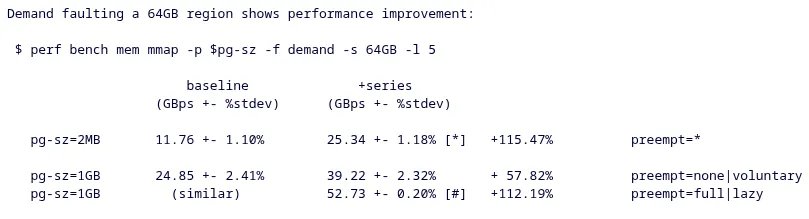
Another major advancement focuses on clearing contiguous page ranges for hugepages. Traditional methods cleared non-contiguous 4KB pages individually, causing inefficient memory access patterns. The new approach processes contiguous memory blocks holistically, leveraging hardware prefetchers and batched clearing via CPU-optimized instructions like x86's string operations or ARM64's MOPS. Oracle engineer Ankur Arora explained: "This allows processors to recognize larger operational units. AMD Zen microarchitectures, for example, elide cacheline allocations for extents exceeding LLC size, preserving useful cache data."
Benchmark results demonstrate dramatic improvements:
| Test Configuration | Original Performance | New Performance | Improvement |
|---|---|---|---|
| 2MB Hugepage Faults | 4.2M ops/sec | 6.1M ops/sec | 45% faster |
| 1GB Hugepage Faults | 28K ops/sec | 41K ops/sec | 46% faster |
Gigantic folio allocation acceleration substantially reduces overhead in large-memory systems. By eliminating redundant operations during folio initialization, allocation time for 120×1GB folios dropped from 3.605 seconds to 0.431 seconds—a 88% reduction. This directly benefits applications requiring massive contiguous memory blocks, such as in-memory databases and scientific computing workloads.
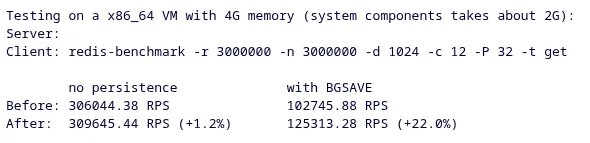
Swap subsystem optimizations also show impressive gains. Unifying swapin pathways and removing legacy code resulted in a 20% speedup in Redis benchmark operations involving heavy swap usage. The revised implementation minimizes context switches and streamlines lock contention during page retrieval from swap devices.
Additionally, enabling PT_RECLAIM support for Alpha, LoongArch, MIPS, Parisc, and UM architectures extends page table reclamation efficiency across more platforms. This helps systems under memory pressure by accelerating page table cleanup operations.
For homelab enthusiasts and system builders, these improvements translate to concrete recommendations:
- Laptop users: Enable Zram compression in Linux 7.0 for measurable power savings during memory-intensive tasks.
- Database servers: Combine hugepage allocation with NUMA optimizations to maximize throughput gains from contiguous page clearing.
- High-memory workstations: Profile application startup times to leverage gigantic folio acceleration benefits.
- Swap-heavy systems: Test Redis/Memcached workloads with swap enabled to observe reduced latency.
All MM patches for Linux 7.0 are documented in the official pull request. Kernel compilation testing shows no significant regressions, making this update a compelling upgrade target when Linux 7.0 stabilizes later this year.
Comments
Please log in or register to join the discussion