The Linux 7.1 kernel brings expanded media driver support including Intel RealSense D436/D555 cameras, Tegra MIPI CSI devices, and new camera sensors, though AMD's ISP4 driver for Ryzen AI laptops remains absent.
The Linux 7.1 kernel development cycle has reached a significant milestone with the merging of extensive media subsystem updates, bringing support for new camera hardware and improving existing device compatibility. The changes, which have been integrated into the mainline kernel, demonstrate Linux's continued commitment to expanding hardware support across diverse platforms.
Intel RealSense Depth Camera Support
The most notable addition in Linux 7.1 is comprehensive support for Intel's RealSense D436 and D555 3D depth cameras through the uvcvideo driver. These cameras, which have become increasingly popular in robotics, augmented reality, and computer vision applications, required specific metadata format extensions to properly handle depth and sensor information.
Intel RealSense D436/D555 camera specifications:
- Depth resolution: Up to 1280x720 at 90fps
- RGB resolution: 1920x1080 at 30fps
- Working range: 0.3m to 5m
- Interface: USB 3.0 SuperSpeed
The UVC driver implementation now includes P010 pixel format support, which is essential for handling the YUV 4:2:0 planar format used by these depth cameras. This format provides efficient compression while maintaining sufficient quality for depth perception algorithms.
Tegra Platform Enhancements
Linux 7.1 introduces upstream support for the MIPI CSI device found in Tegra20 and Tegra30 System-on-Chips (SoCs). These older Tegra generations, while not cutting-edge by today's standards, remain relevant in embedded systems, automotive applications, and legacy hardware deployments.
The MIPI CSI (Mobile Industry Processor Interface - Camera Serial Interface) support enables these Tegra platforms to interface with modern camera sensors, extending the useful life of devices based on these SoCs. This is particularly valuable for industrial equipment and automotive systems that rely on long-term support cycles.
New Camera Sensor Drivers
Two new camera sensor drivers have been added to the kernel:
T4ka3 sensor driver: This driver supports a high-resolution CMOS image sensor commonly used in mobile devices and tablets. The sensor features advanced pixel technology for improved low-light performance and HDR capabilities.
ov2732 sensor driver: The ov2732 is a compact, low-power CMOS sensor designed for ultra-slim mobile devices. It provides 1/6-inch optical format with 1080p HD video capture capabilities.
These additions expand Linux's compatibility with modern mobile and embedded camera hardware, ensuring broader support across the ecosystem of devices using these sensors.
NXP i.MX Platform Updates
The Linux 7.1 media updates include significant enhancements for NXP's i.MX processor family:
- i.MX93 SoC support: Enabled within the Synopsys csi2rx code, providing MIPI CSI-2 receiver functionality for the latest i.MX93 processor
- i.MX95 support: Added to the IMX8-ISI (Image Signal Interface) driver
- i.MX8ULP support: Integrated via the IMX8MQ-MIPI-CSI2 driver
These updates ensure that NXP's latest processors have robust camera support in the mainline kernel, which is crucial for the embedded and IoT markets where NXP processors are widely deployed.
Enhanced DTV Device Support
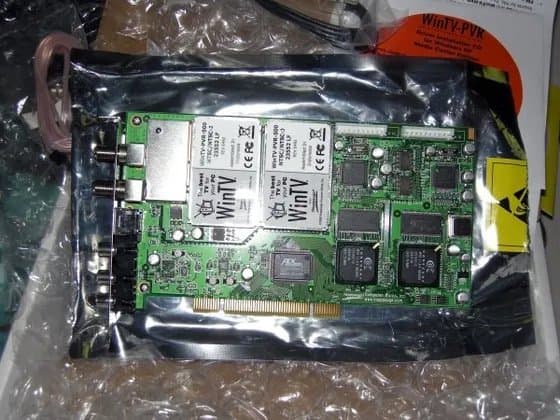
Linux 7.1 improves support for Digital Television (DTV) devices from Hauppauge, a well-known manufacturer of TV tuner cards and video capture hardware. While specific details weren't provided in the merge notes, these improvements likely include better signal handling, enhanced recording capabilities, and improved compatibility with various broadcast standards.
Notable Omission: AMD ISP4 Driver
A significant absence from the Linux 7.1 media subsystem pull is the AMD ISP4 (Image Signal Processor) driver. This driver is essential for the HP ZBook Ultra G1a laptop's webcam and will be required for future high-end Ryzen AI laptops that utilize AMD's dedicated image processing hardware.
The ISP4 driver's absence is particularly noteworthy because it highlights the challenges of integrating vendor-specific hardware support into the mainline kernel. The driver has been in development for some time, and its delay until Linux 7.2 suggests that additional testing, refinement, or architectural considerations are still being addressed.
AMD's ISP4 architecture represents a significant advancement in integrated image processing, offering dedicated hardware acceleration for camera operations that can offload processing from the main CPU cores. This is especially important for AI-enhanced imaging features and real-time video processing tasks.
Impact and Availability
The Linux 7.1 kernel with these media subsystem enhancements is expected to be released in the coming months, following the standard merge window and stabilization process. Once released, these changes will be available to all Linux distributions that update to the 7.1 kernel, providing immediate benefits to users with supported hardware.
For developers and system integrators, the addition of these drivers means reduced dependency on out-of-tree kernel modules and improved long-term supportability. The mainline kernel integration ensures that these drivers will receive ongoing maintenance and compatibility updates alongside the core kernel development.
Technical Implementation Details
The media subsystem updates follow Linux kernel development best practices, with proper documentation, Kconfig entries, and adherence to the kernel's coding standards. The RealSense camera support, for instance, includes detailed metadata handling that ensures proper interpretation of depth data streams, while the Tegra MIPI CSI support implements the necessary clock management and data lane configurations for reliable camera operation.
These changes also demonstrate the collaborative nature of kernel development, with contributions from multiple hardware vendors, driver maintainers, and the broader open-source community working together to expand Linux's hardware compatibility.
The full list of media subsystem feature updates for Linux 7.1 can be found in the official kernel repository pull request, which has since been merged to mainline. This comprehensive changelog provides detailed technical information for developers interested in the specific implementation details of each new driver and enhancement.
Comments
Please log in or register to join the discussion