January 2026 saw major Linux kernel AI discussions, ReactOS Windows compatibility progress, and the AMD Ryzen 7 9850X3D launch dominate Phoronix headlines, alongside Intel's Panther Lake benchmarks and significant open-source software milestones.
During January 2026, Phoronix published 296 original news articles and 18 featured hardware reviews from the Linux/open-source perspective. The month was dominated by AI discussions in the Linux kernel, ReactOS Windows compatibility progress, and the AMD Ryzen 7 9850X3D launch, alongside Intel's Panther Lake benchmarks and significant open-source software milestones.
AI and the Linux Kernel: Torvalds Weighs In
The Linux kernel development community continued intense discussions around AI tooling and documentation. Linus Torvalds himself has been using "vibe coding" to create AudioNoise, a new open-source project developed over the holidays with AI assistance. This personal project from the Linux creator demonstrates how AI coding tools are becoming integrated into even the most experienced developers' workflows.
However, Torvalds pushed back against explicit AI-focused documentation, arguing that "The AI slop issue is NOT going to be solved with documentation." He believes the kernel should focus on "tools" rather than explicitly targeting AI, acknowledging that AI-assisted contributions will continue regardless of documentation efforts.
The debate intensified around proposed guidelines for tool-generated submissions to the Linux kernel, with developers grappling with how to maintain code quality while embracing AI-assisted development.
ReactOS Makes Major Strides
ReactOS, the ambitious "open-source Windows" project celebrating its 30th anniversary in 2026, started the year with significant momentum. The project achieved another "major step" toward Windows NT6 compatibility, marking substantial progress in its goal to provide a free alternative to Windows.
Beyond compatibility improvements, ReactOS delivered a massive networking performance boost, addressing a critical usability issue that had plagued the system. These developments suggest ReactOS is maturing rapidly, potentially offering a viable Windows alternative for users seeking open-source solutions.
AMD Ryzen 7 9850X3D Dominates Hardware News
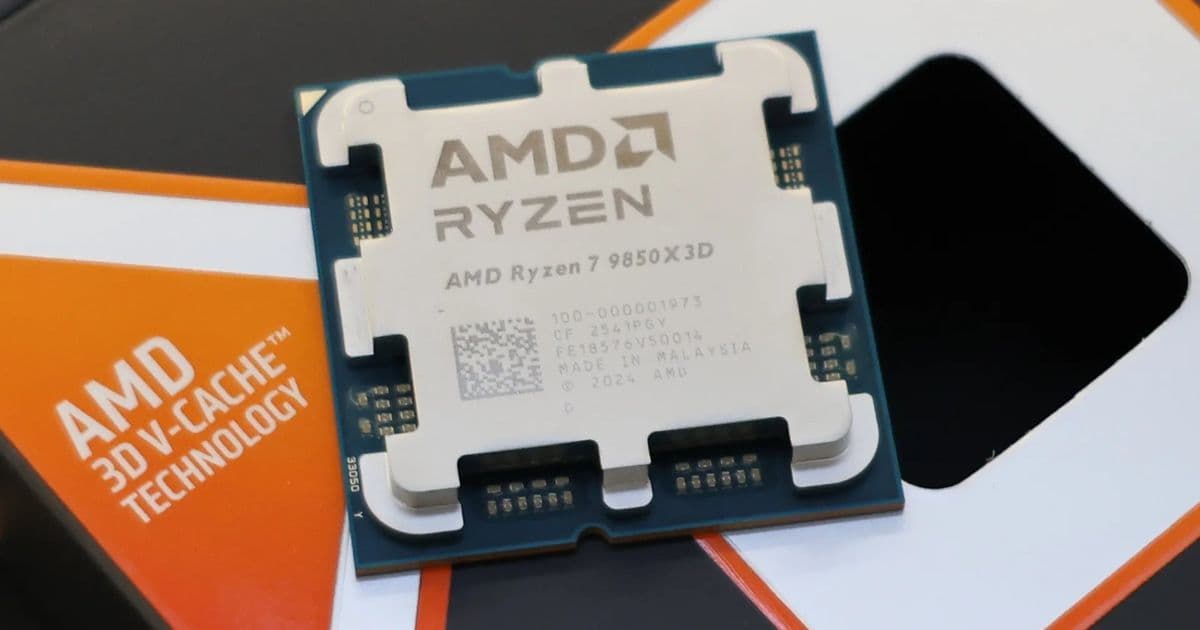
The AMD Ryzen 7 9850X3D launch captured significant attention, with Phoronix conducting extensive Linux benchmarking ahead of its $499 USD official availability. The 8-core, 16-thread processor with 2nd Gen AMD 3D V-Cache technology generated excitement about its gaming and workstation performance capabilities.
Complementing the Ryzen 7 9850X3D review, Phoronix published comprehensive DDR5-4800 vs. DDR5-6000 performance comparisons using Ubuntu Linux. The testing revealed interesting insights about memory speed requirements with 3D V-Cache technology, suggesting that lower memory speeds might be suitable for gaming without significant performance impact.
Intel Panther Lake Enters the Linux Arena
Intel's Core Ultra Series 3 Panther Lake launch brought new competition to the Linux hardware landscape. The first Linux benchmarks are emerging, with Phoronix reporting that hardware is now available for testing. This marks Intel's continued push into the high-performance computing segment with their latest architecture.
Open Source Software Milestones
Several significant open-source projects reached important milestones in January:
GNOME and Firefox both considered disabling middle-click paste functionality by default, with developers describing the X11 feature as a "dumpster fire" that needs modernization.
Fedora 44 approved switching all KDE variants from SDDM to the newer Plasma Login Manager, streamlining the Fedora KDE experience.
RADV driver received another ray-tracing improvement, delivering 30% faster performance on RDNA2 hardware through optimizations by Konstantin Seurer.
Wine-Staging 11.1 added patches enabling recent Adobe Photoshop versions on Linux, expanding creative software compatibility.
GNU ddrescue 1.30 launched with "orders of magnitude" better recovery performance from drives with dead heads, significantly improving data recovery capabilities.
KDE Plasma 6.6 beta introduced the Plasma Login Manager and Plasma Setup, while fixing common panel-related crashes and improving OpenBSD support.
Security and System Updates
The month saw important security developments, including CVE-2026-0915, a vulnerability in the GNU C Library (glibc) that had existed since 1996. The 30-year-old security issue was finally patched in the latest glibc Git code.
Adobe Photoshop 2025 installer functionality was restored on Linux through patched Wine, allowing Creative Cloud installers to run via Wine after open-source developers resolved the remaining compatibility issues.
Gaming and Performance Analysis
Steam on Linux ended 2025 with 3.19% marketshare, maintaining its all-time high from November. AMD Linux CPU usage approached 72%, reflecting growing Linux gaming adoption driven by Steam Deck, Steam Play (Proton), and upcoming Steam hardware.
Fedora Games Lab received approval to switch to KDE Plasma, positioning itself as a better Linux gaming showcase compared to its previous Xfce desktop configuration.
System Performance Deep Dives
Phoronix conducted extensive performance analysis across various hardware configurations:
Linux 6.18 LTS vs. Liquorix Kernel performance comparison on AMD Ryzen Threadripper workstations revealed the enthusiast-tailored Liquorix kernel's responsiveness advantages for gaming and content creation.
Ubuntu 26.04 development showed promising performance gains over Ubuntu 24.04 LTS on AMD EPYC Turin hardware, with early benchmarks indicating the upcoming LTS release's potential.
Transparent Hugepage (THP) performance testing compared "madvise" vs. "always" configurations, providing valuable insights for system administrators optimizing Linux environments.
Intel Xeon 6780E Sierra Forest demonstrated approximately 14% performance improvements since launch, showcasing ongoing Linux optimizations for the server processor.
AMD EPYC 8004 Siena showed nice Linux performance gains over its two years since launch, highlighting how updated software stacks can extract additional performance from energy-efficient server processors.
AMD EPYC 9755 vs. Xeon 6980P comprehensive benchmarking with nearly 500 tests delivered decisive performance leadership for the AMD processor, reinforcing Turin's position in the server market.
Emerging Hardware Testing
Dell Pro Max GB10 with NVIDIA's Blackwell GPU underwent extensive testing against AMD's Ryzen AI Max+ 395 "Strix Halo" in the Framework Desktop. The Arm-based system with 20 cores (10x Cortex-X925, 10x Cortex-A725) and Blackwell GPU offered interesting competition in AI and compute workloads.
These comprehensive benchmarks covered CPU performance, Llama.cpp, OpenCL, and Vulkan compute capabilities, providing valuable data for users considering different high-performance computing platforms.
The January 2026 Linux and open-source landscape demonstrated continued maturation across multiple fronts, from kernel development debates around AI tooling to significant hardware launches and performance optimizations that benefit the entire ecosystem.
Comments
Please log in or register to join the discussion