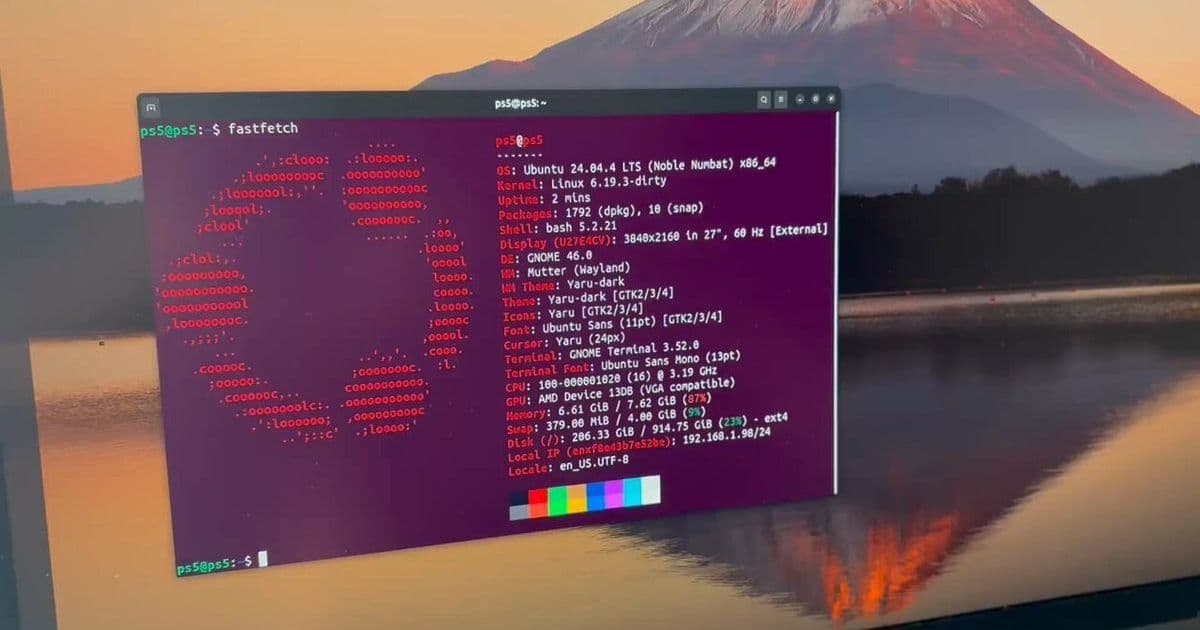
Developer Andy Nguyen successfully ported Linux to the PlayStation 5, transforming the console into a Steam Machine capable of running PC games like GTA 5 with enhanced graphics features.
Andy Nguyen, known online as @theflow0, has achieved what many thought impossible: porting Linux to Sony's PlayStation 5 console and transforming it into a fully functional Steam Machine. The developer recently shared a video demonstration showing Grand Theft Auto 5 running on the PS5 with ray tracing enabled, showcasing the console's hidden potential when freed from Sony's proprietary operating system.
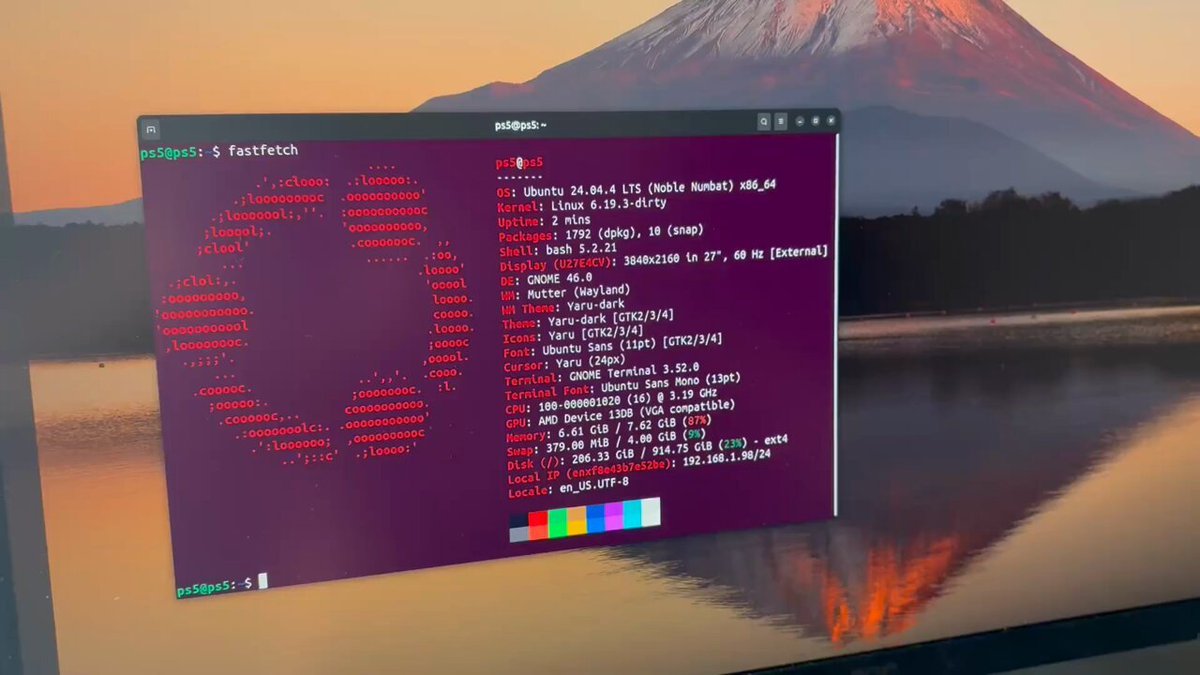
The project represents a significant technical achievement in console hacking and open-source software development. By successfully running Linux on the PS5, Nguyen has effectively turned the gaming console into a hybrid device that can access both PlayStation's native ecosystem and the vast library of PC games available through Steam.
Technical Breakthrough
Porting Linux to a console as locked-down as the PS5 is no small feat. The PlayStation 5's custom AMD processor and unique hardware architecture present significant challenges for operating system developers. Nguyen's work required deep understanding of the console's boot process, hardware initialization, and driver development for components like the GPU, storage controllers, and networking interfaces.
The achievement goes beyond simple proof-of-concept status. The system appears stable enough to run demanding games like GTA 5, which requires substantial GPU power and memory management. The fact that ray tracing works suggests that the Linux drivers for the PS5's custom AMD GPU are functioning at a high level of maturity.
Gaming Performance and Capabilities
Running GTA 5 with ray tracing on the PS5 under Linux demonstrates that the console's hardware remains capable of delivering modern gaming experiences, even when repurposed. The PlayStation 5's custom RDNA 2 GPU, which was already impressive for console gaming, shows it can handle PC gaming workloads when given the right software environment.
This opens up interesting possibilities for PS5 owners who might want to expand their gaming options beyond the PlayStation Store. While the legality and warranty implications of such modifications remain complex, the technical demonstration proves that the hardware is more versatile than Sony's official software stack suggests.
Community Impact
Nguyen's work builds on a long tradition of console hacking and homebrew development. Similar projects have been undertaken with previous PlayStation consoles, Xbox systems, and Nintendo devices, often leading to expanded functionality and preservation of gaming history. The Linux-on-PS5 project could inspire further development in areas like emulation, media center functionality, and experimental computing applications.
For the open-source community, this represents another victory in the ongoing effort to maintain control over computing devices. As gaming hardware becomes increasingly locked down and proprietary, projects like this demonstrate that determined developers can still unlock the full potential of their devices.
Future Implications
The success of Linux on PS5 raises questions about the future of console gaming and hardware ownership. If consoles can effectively become gaming PCs through software modification, it could influence how manufacturers approach hardware design and software lockdown in future generations.
For gamers, this development means that PS5 hardware purchased today might have a longer useful life span, as it could potentially run newer games through Linux even after Sony stops supporting the console with official updates. The ability to access Steam's vast library also means PS5 owners could potentially play games that never make it to PlayStation platforms.
Technical Documentation and Community
Nguyen's achievement has sparked significant interest in the developer community, with many asking for details about the porting process and potential release of tools or documentation. The project joins a growing body of work focused on maximizing the utility of gaming hardware beyond its intended purpose.
As the PS5 ages and more units become available on the secondary market, projects like this could find practical applications in areas like home theater PCs, emulation stations, or even budget gaming rigs for those willing to navigate the technical and legal complexities involved.
The Linux-on-PS5 project stands as a testament to the ingenuity of the open-source community and the hidden potential within modern gaming hardware. Whether this leads to widespread adoption or remains a niche achievement for enthusiasts, it has already proven that Sony's powerful console is capable of much more than its creators originally intended.
Comments
Please log in or register to join the discussion