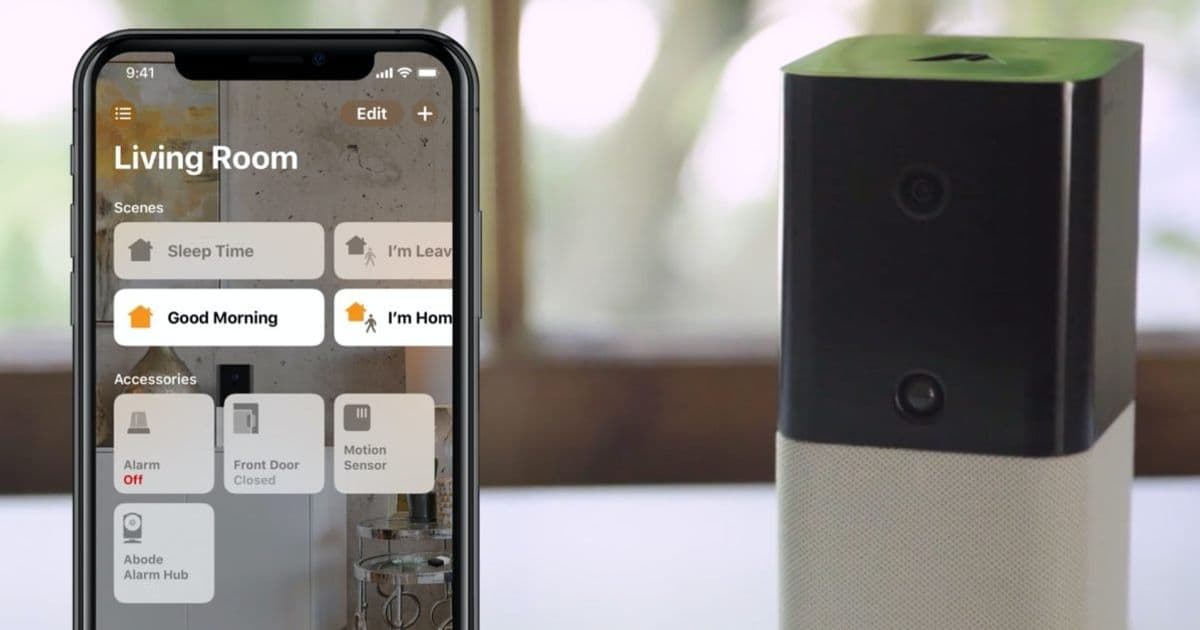
Six years after adoption, abode's HomeKit integration, hidden sensors, and professional monitoring continue to outperform competitors like Ring and SimpliSafe for Apple-centric smart homes.
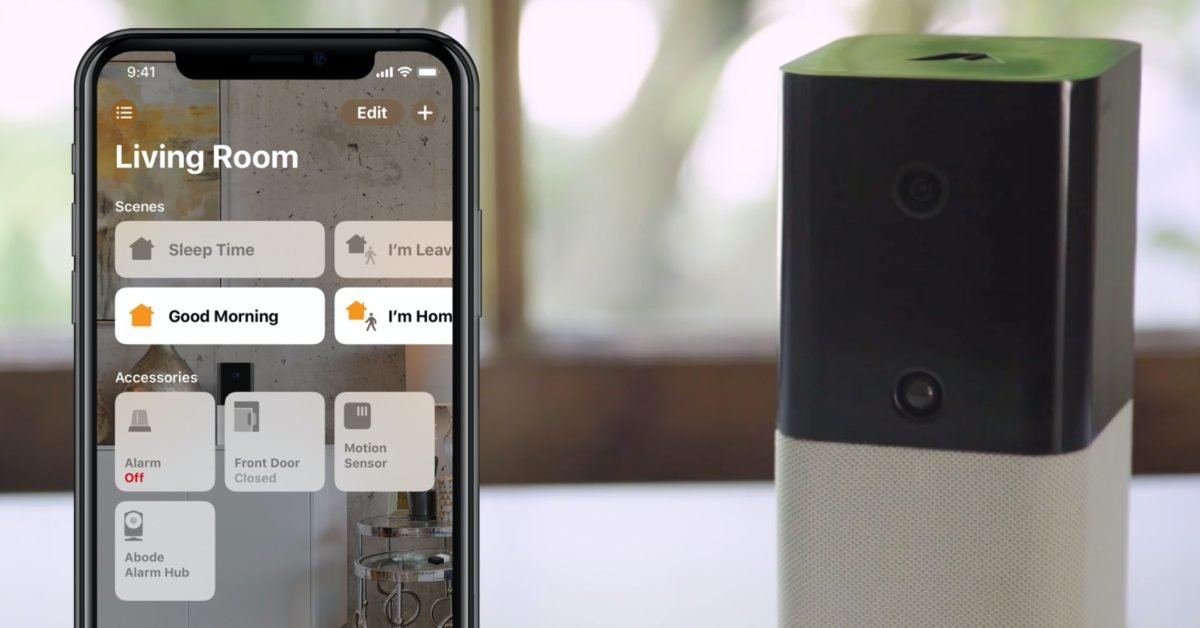
Since adopting abode as my primary home security system in early 2020, I've navigated two home transitions and witnessed countless smart home trends come and go. In 2026, as competing platforms shift toward Matter compatibility, abode's unwavering HomeKit support continues to deliver unparalleled integration depth for Apple Home users. This long-term review examines hardware durability, strategic sensor placement advantages, and why specific hub choices remain critical.
The Non-Negotiable Hub Requirement
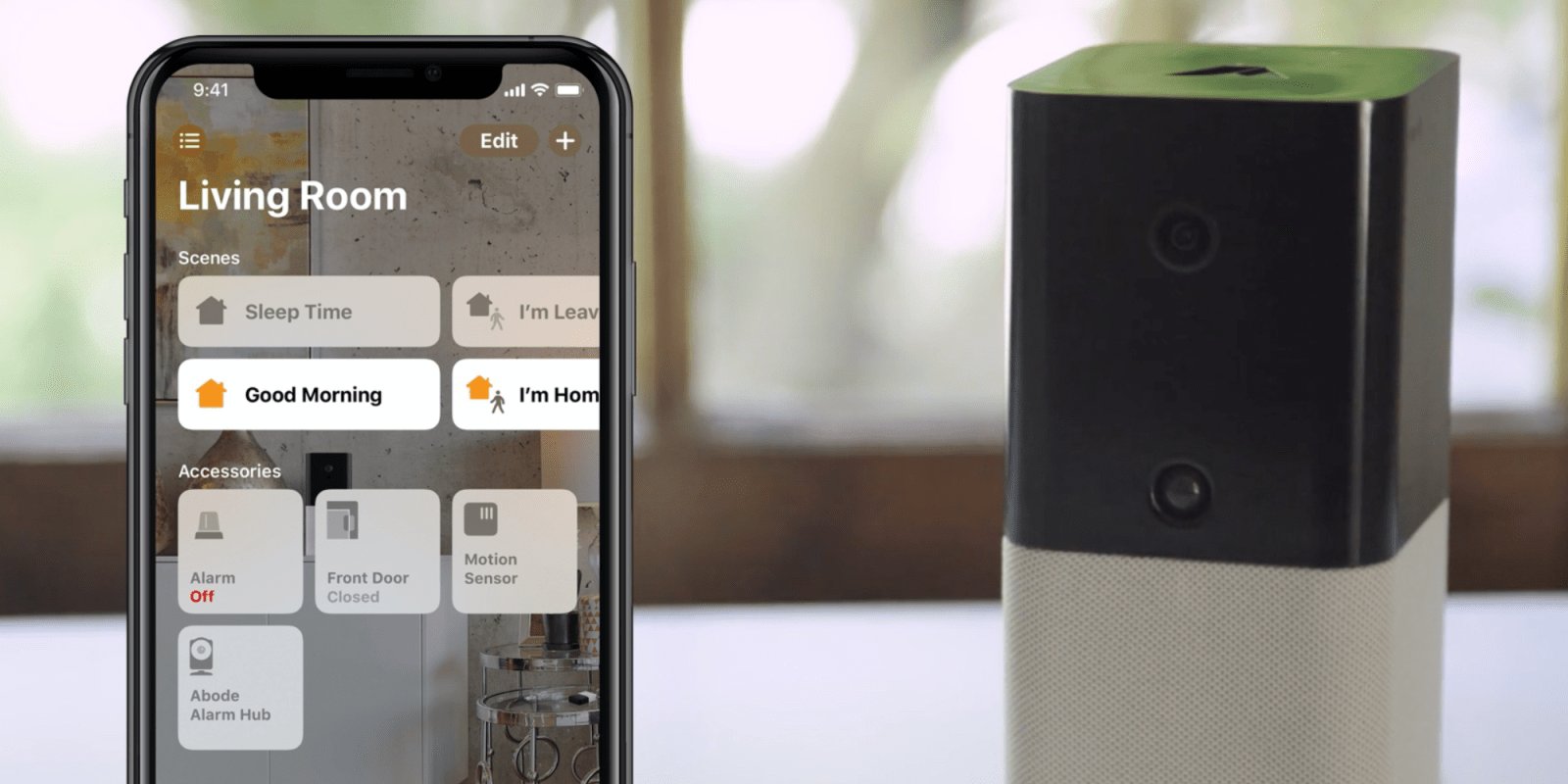
Abode now markets multiple starter kits, but not all hubs support Apple Home. The budget-friendly security kit frequently discounted under $100 lacks HomeKit bridging capabilities. For native Apple Home integration, you must select either:
Choosing an incompatible hub isolates security functions within abode's ecosystem, preventing sensor exposure to Apple Home automations. This distinction remains abode's most critical purchase consideration.
HomeKit Integration: Beyond Basic Arm/Disarm
While competitors like Ring and SimpliSafe offer limited HomeKit interactions (primarily system arming), abode exposes all sensors – door contacts, window monitors, and motion detectors – directly to Apple Home. This enables sophisticated automations:
- Entry Lighting: Trigger Philips Hue or Nanoleaf lights when doors open after sunset
- Vacation Simulation: Activate Aqara cameras when motion sensors detect movement during "Away" mode
- Energy Savings: Automatically adjust Ecobee thermostats when windows are left open
This "double-duty" philosophy transforms security hardware into automation controllers. Instead of purchasing separate Eve or Aqara sensors, existing security components become multifunctional.
Aesthetic and Functional Sensor Design
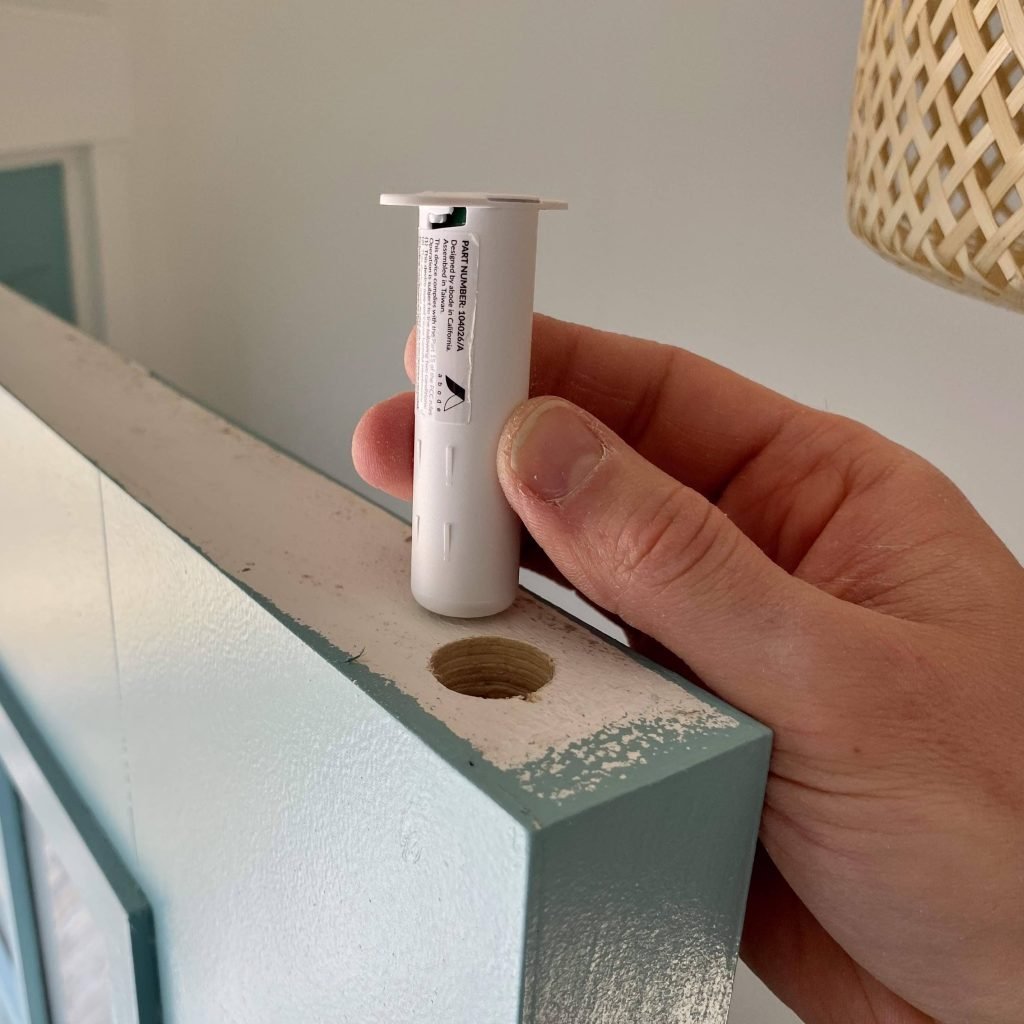
Abode's sensor design solves a common smart home dilemma: functionality versus aesthetics. Traditional door/window sensors resemble bulky plastic rectangles that clash with architectural elements. Abode offers two discreet alternatives:
- Slim Strip Sensors: 1.5mm thick adhesive contacts virtually invisible on door/window frames
- Recessed Door Sensors: Requires drilling into door jamb but becomes completely hidden post-installation
These enable automations like triggering entryway lighting upon arrival without visual clutter. The recessed sensors particularly excel on stained wood doors where visible hardware would be objectionable.
Monitoring and System Reliability
After six years, I maintain abode's professional monitoring subscription ($20/month) for three key reasons:
- Cellular Backup: LTE connection maintains security during internet outages
- Insurance Discounts: My homeowner's insurance reduction covers ~80% of annual monitoring costs
- Emergency Response: US-based centers dispatch authorities for break-ins, fires, or CO alarms
The system's durability impresses: original 2020 sensors remain functional with CR2032 battery replacements every 18-24 months. Hub firmware updates (now automated) consistently maintain HomeKit compatibility despite iOS version changes.
Why abode Still Leads in 2026
As Matter adoption progresses, abode's native HomeKit support provides faster response times than Matter-over-Thread solutions. The system avoids cloud dependencies for local automations – door sensors trigger lights even during internet outages. For Apple Home users, abode delivers:
- Unmatched sensor exposure for automations
- Hardware proven across years of daily use
- Professional monitoring with tangible insurance benefits
When purchasing, verify hub compatibility and consider the Recessed Door Sensor Kit for invisible monitoring. Abode remains the only security platform fully leveraging HomeKit's automation potential.

Comments
Please log in or register to join the discussion