Microsoft's latest community newsletter reveals strategic investments in global tech ecosystems while cloud providers intensify platform loyalty efforts through developer engagement.
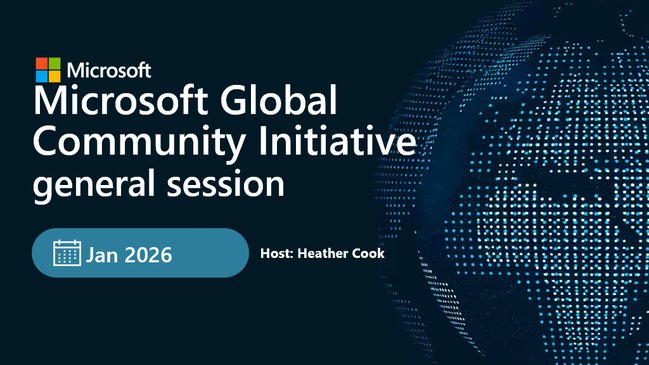
The Microsoft Global Community Initiative's January/February newsletter underscores how major cloud providers are leveraging community programs to strengthen ecosystem loyalty. While announcing regional leader applications and event partnerships, these initiatives reflect broader industry trends where Azure, AWS, and Google Cloud compete through developer engagement—a critical battleground in multi-cloud adoption strategies.
Community Programs as Strategic Lock-In Tools
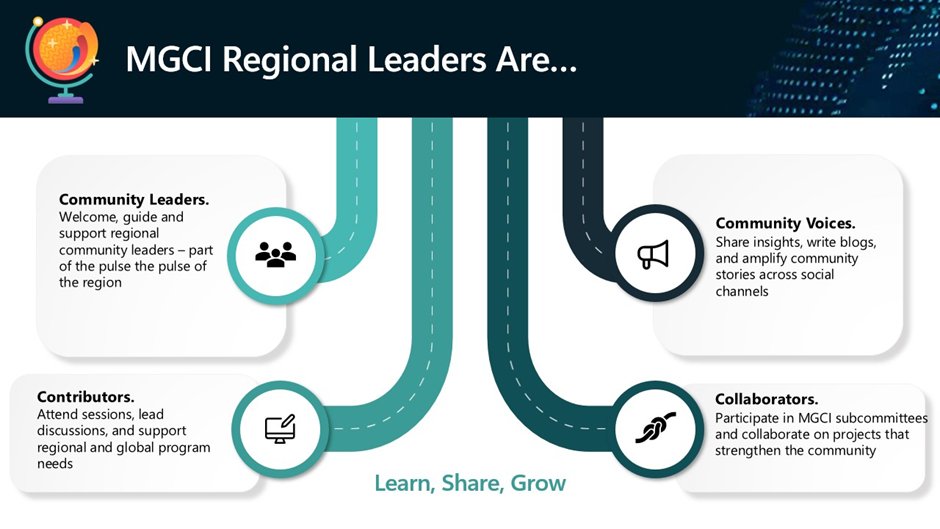
Microsoft's MGCI Regional Leader program (application details) exemplifies how cloud vendors create voluntary leadership networks that organically promote platform-specific skills. Similar programs exist across competitors:
- AWS Community Builders: Focuses on technical content creation
- Google Developer Experts: Specializes in cross-platform solutions
These programs share common objectives: cultivating advocates, generating platform-aligned content, and creating informal support networks. For enterprises evaluating multi-cloud strategies, such ecosystems present both opportunities and lock-in risks. Training investments in Azure-specific workshops (like the highlighted M365 Community Conference session) can create switching costs when integrating with other clouds.
Event Economics and Sponsorship Models
The newsletter reveals Microsoft's structured approach to event sponsorships—a key differentiator in cloud provider strategies. MGCI's Event Training resources (recording) detail sponsorship frameworks comparable to:
- AWS's Activate Sponsorships: Credits for startups
- Google Cloud's Community Grants: Equity-focused funding
Microsoft's emphasis on "Social Amplification" for partner events demonstrates how providers subsidize community marketing to expand reach. When comparing total cost of ownership across clouds, these hidden value-adds—often overlooked in pricing calculators—can significantly impact migration decisions.
Developer Ecosystems and Multi-Cloud Considerations
The Women in Tech speaker directory (Sessionize listing) highlights Microsoft's curated talent pool—a strategy mirrored by AWS's Hero programs. For technical decision-makers, these directories present:
- Pros: Access to vetted specialists for implementation
- Cons: Potential bias toward single-platform solutions
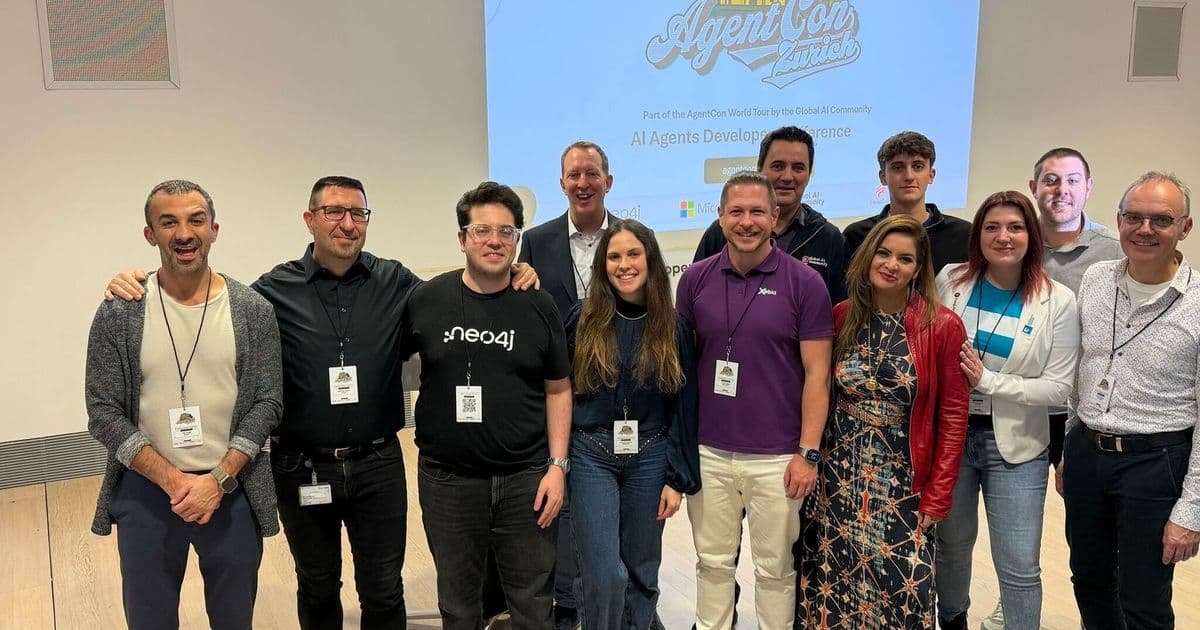
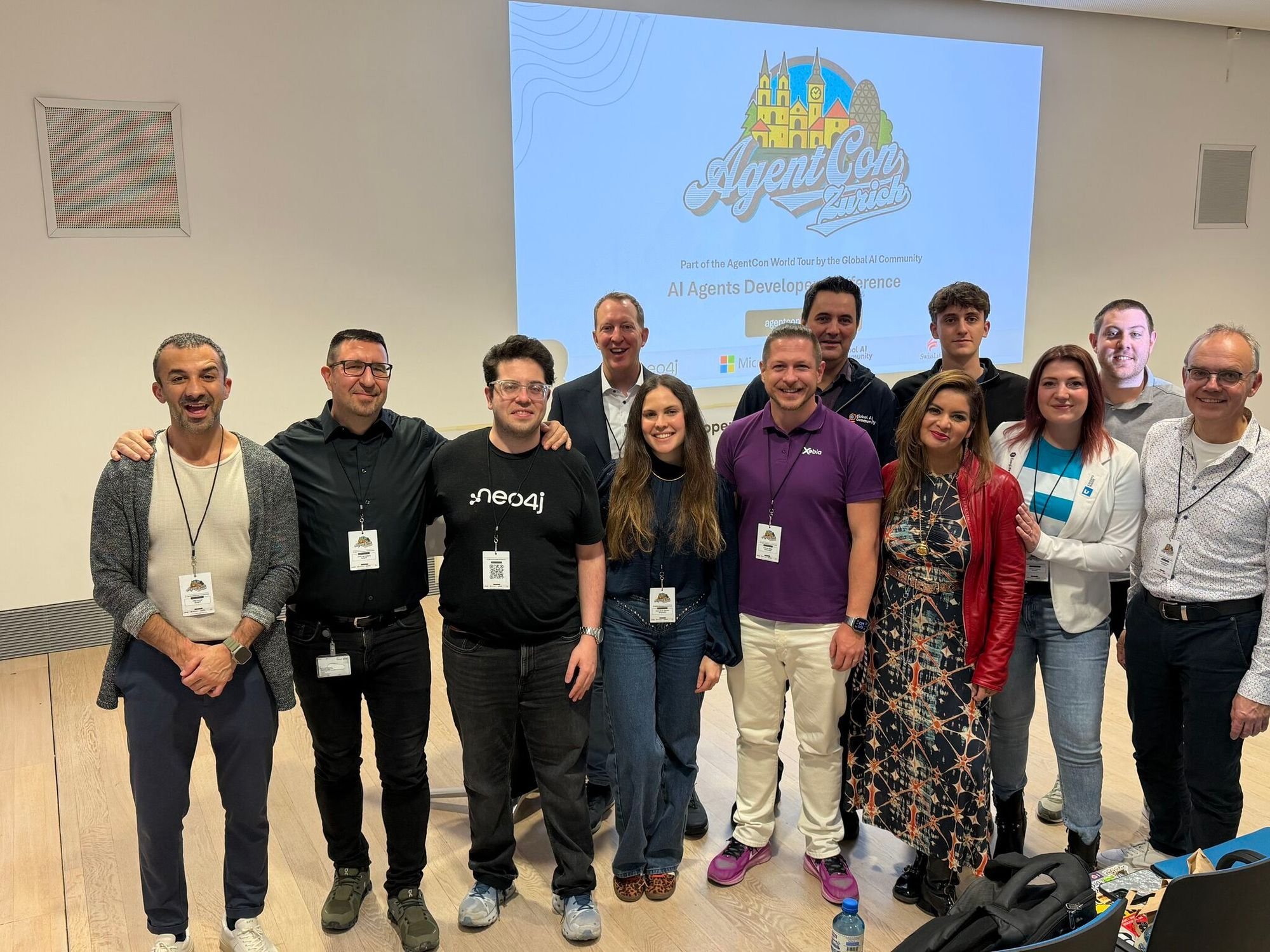
Upcoming hybrid events like AgentCon (2026 locations) emphasize hands-on AI development, contrasting with Google's focus on open-source Kubeflow workshops. This divergence illustrates how providers steer developers toward proprietary stacks under the guise of "community" learning—Azure's emphasis on AI builders versus Google's MLOps focus.
Business Impact Analysis
Community initiatives directly influence enterprise cloud strategies through:
- Talent Pipeline Development: Microsoft MVP recognitions create certified experts enterprises rely on for migrations
- Event-Driven Sales Funnels: Global Power Platform Bootcamps serve as lead generation channels
- Ecosystem Stickiness: SharePoint's 25th-anniversary event (registration) reinforces legacy product loyalty amid cloud transitions

While Microsoft promotes community "diversity," the newsletter reveals a clear strategic pattern: These programs prioritize Azure ecosystem growth. Enterprises pursuing true multi-cloud architectures must consciously counterbalance these influences through cross-platform training and vendor-neutral architecture reviews.
The MGCI newsletter ultimately functions as a lens into cloud providers' behind-the-scenes efforts to shape technical ecosystems—a critical factor CIOs must weigh against lock-in risks when designing cloud portfolios.
Comments
Please log in or register to join the discussion