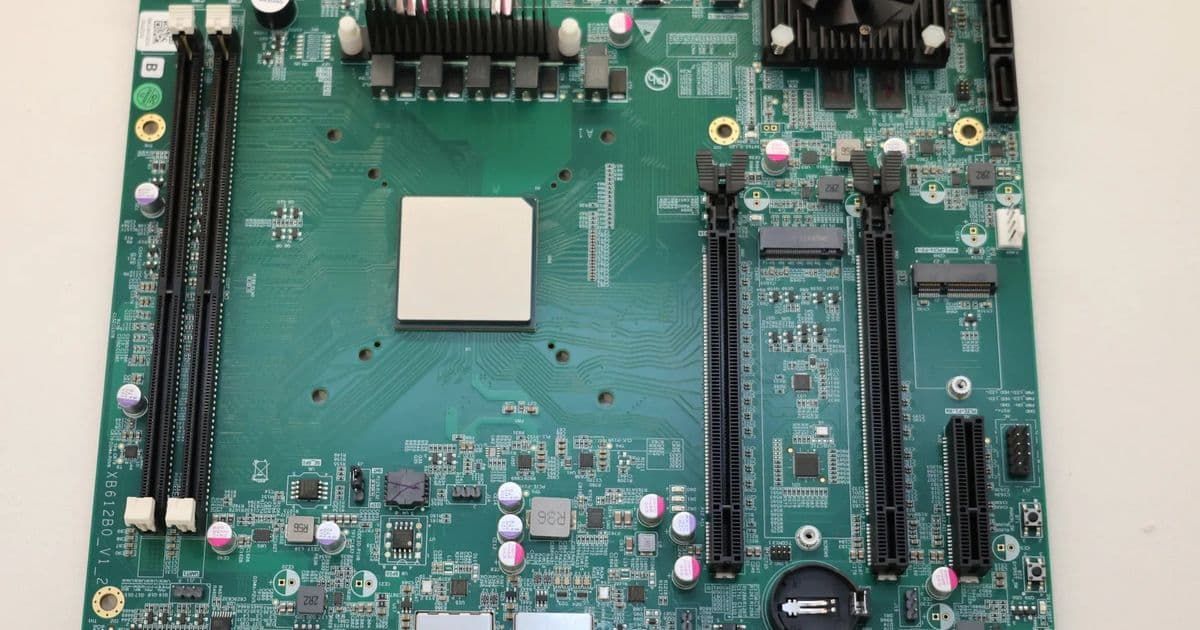
The Chinese LoongArch CPU architecture receives significant kernel improvements in Linux 7.0, including SMT hot-plug, 128-bit atomic operations, and BPF enhancements.
The LoongArch CPU architecture, China's domestic processor design inspired by MIPS64 and RISC-V, has received substantial kernel improvements in the newly released Linux 7.0. These enhancements demonstrate the growing maturity of LoongArch as a viable alternative CPU architecture for Chinese PC manufacturing and potentially broader markets.
Key LoongArch Improvements in Linux 7.0
The Linux 7.0 kernel introduces several critical features for LoongArch processors:
SMT Hot-Plug Support
- Enables dynamic management of simultaneous multithreading cores
- Allows systems to add or remove threads without rebooting
- Improves power efficiency and thermal management
128-bit Atomic CMPXCHNG Support
- Adds compare-and-exchange operations for 128-bit data
- Critical for high-performance computing and cryptographic operations
- Brings LoongArch parity with other modern architectures for atomic operations
MEMFD_SECRET System Call
- Provides secure memory allocation that's invisible to other processes
- Essential for implementing secure enclaves and cryptographic key storage
- Enhances LoongArch's security capabilities
BPF Enhancements
- Implements BPF program pack allocator
- Adds BPF arena support for better resource management
- Improves performance for eBPF programs running on LoongArch
Performance Context
Recent hands-on benchmarking of the Loongson 3B6000 processor provides context for these kernel improvements. The 3B6000, built on the LoongArch architecture, has been compared against established competitors:
- AMD Zen 5 - Modern x86 architecture
- Intel Arrow Lake - Latest Intel desktop processors
- Raspberry Pi 5 - ARM-based single-board computer
These benchmarks, particularly when running Arch Linux, demonstrate that LoongArch is maturing into a competitive architecture. The kernel improvements in Linux 7.0 should further enhance performance and stability.
Technical Implementation
The LoongArch updates were merged through standard kernel development channels, ensuring proper integration and testing. The changes include:
- Selection of
HAVE_CMPXCHG_{LOCAL,DOUBLE}for atomic operation support - Implementation of
HOTPLUG_SMTfor thread management - Wiring up of the
memfd_secretsystem call - Fixes for boot errors and KASAN (Kernel Address SANitizer) unwind errors
- Updates to device tree source (DTS) files adding NAND controller support
Future Implications
These kernel enhancements position LoongArch as a more serious contender in the CPU architecture landscape. The support for advanced features like SMT hot-plug and secure memory operations indicates that LoongArch is targeting not just desktop applications but also server and security-sensitive workloads.
For developers and system administrators working with Chinese hardware or interested in alternative CPU architectures, Linux 7.0 provides a more robust foundation for LoongArch deployments. The continued investment in kernel support suggests long-term commitment to the architecture's development and adoption.
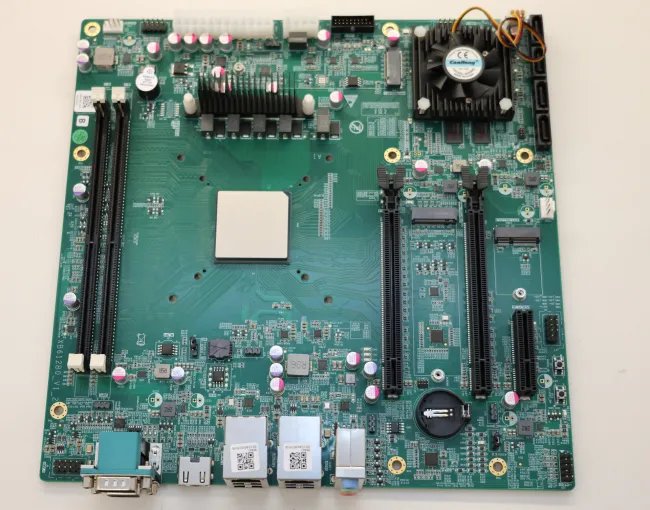
The LoongArch 3B6000 motherboard represents the hardware these kernel improvements support, showcasing China's progress in domestic CPU manufacturing.
As LoongArch continues to evolve, these Linux kernel enhancements will be crucial for attracting developers and users to the platform, particularly in markets where independence from Western CPU architectures is strategically important.
Comments
Please log in or register to join the discussion