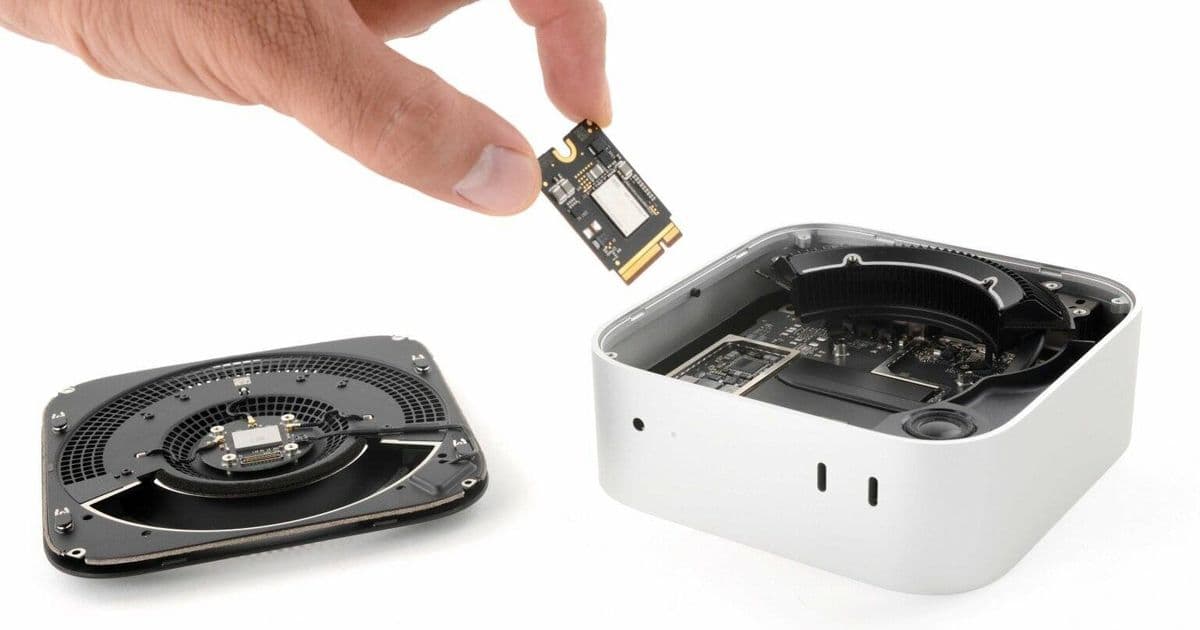
Apple's decision to increase the Mac Mini base price from $599 to $799 threatens user privacy by making local AI solutions like OpenClaw less affordable, potentially forcing users toward cloud-based alternatives that compromise data privacy.
Apple's recent decision to discontinue the 256GB Mac Mini model, priced at $599, and replace it with a 512GB version starting at $799 represents more than just a price increase. This move threatens user privacy by making privacy-preserving local AI solutions less accessible to everyday consumers.
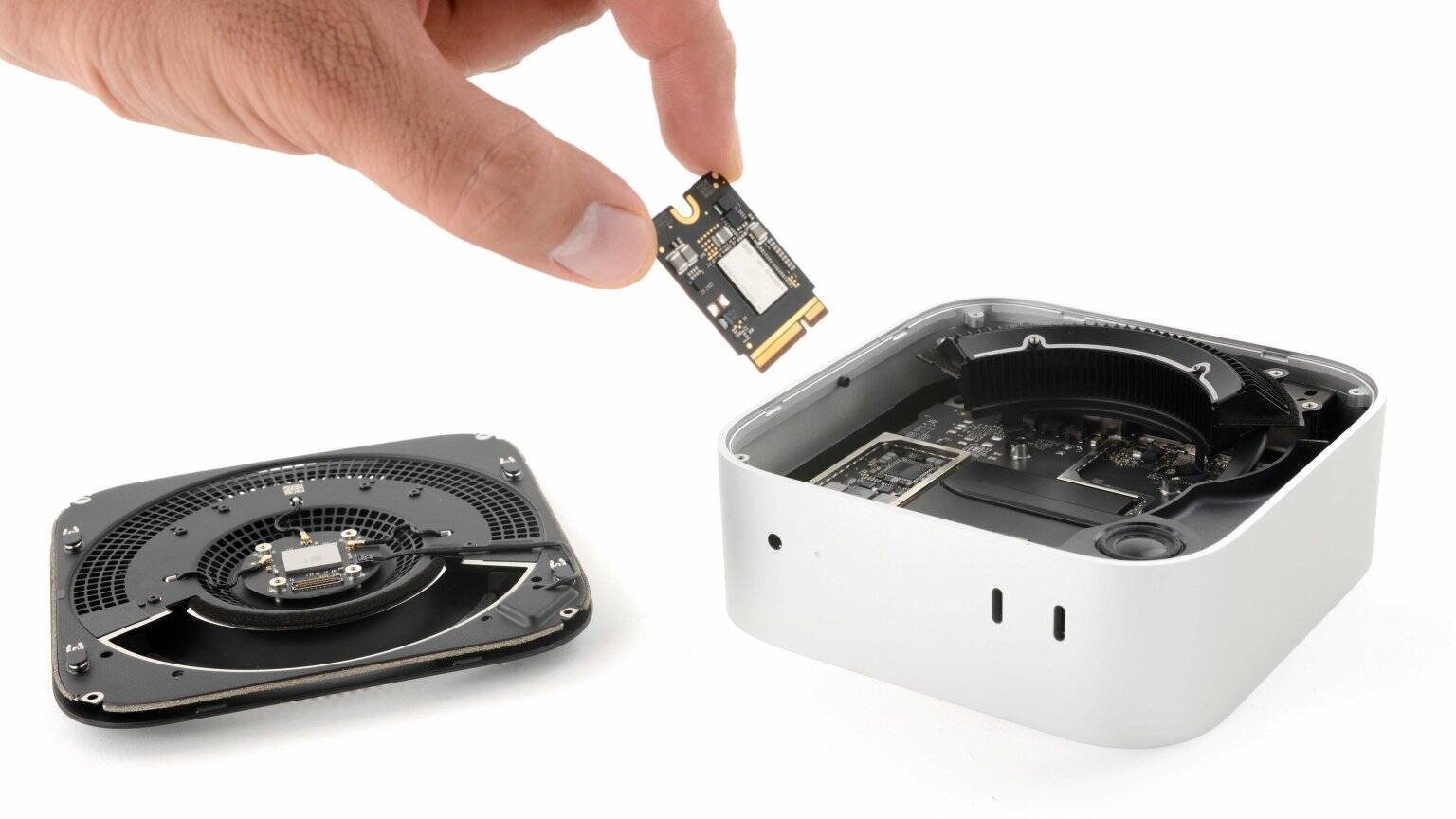
The timing of this price hike is particularly concerning, coming amid growing awareness about data privacy issues and the importance of local processing for sensitive information. Apple's Mac Mini has been a popular choice among privacy-conscious users who want to run local AI agents like OpenClaw without sending their data to cloud servers.
Under the GDPR and similar privacy regulations, individuals have the right to control their personal data and choose how it's processed. When local AI hardware becomes prohibitively expensive, users lose the ability to exercise these rights effectively. The $200 price increase directly impacts this fundamental privacy right.
The memory price increases affecting Apple are part of a larger trend driven by the AI industry's insatiable demand for computational resources. While companies like Apple can absorb some of these costs, they are increasingly passing them to consumers. This creates a tiered system where only those with financial resources can afford privacy-respecting technology.
For developers and researchers working on privacy-preserving AI solutions, this price hike creates additional barriers. Open-source projects that aim to democratize access to local AI processing now face greater obstacles in reaching their target audience. The digital divide in privacy technology widens as a result.
Apple's supply chain strength, often touted as a competitive advantage, does little to help average consumers in this scenario. The company's decision to phase out lower-capacity NAND flash chips in favor of more expensive modules reflects industry-wide trends that prioritize profit margins over accessibility.
Regulatory bodies should consider how hardware pricing affects the practical exercise of data protection rights. When the tools necessary for privacy-preserving computing become unaffordable, regulations like the GDPR risk becoming theoretical rather than practical protections.
The MacBook Neo now holds the title of Apple's most affordable computer at $599, but it remains to be seen whether this model will also face price increases as memory costs continue to rise. Privacy advocates should monitor this situation closely, as the accessibility of local processing hardware directly impacts users' ability to maintain control over their personal data.
Consumers concerned about privacy should explore alternative options for local AI processing, such as refurbished devices or other manufacturers' products that may offer better value for privacy-focused applications. The ongoing memory price crisis shows no signs of abating, making it increasingly important to find cost-effective solutions for privacy-respecting computing.
This situation highlights the need for policies that ensure privacy-preserving technology remains accessible to all, not just those who can afford premium pricing. As AI becomes more integrated into daily life, the right to process data locally should be protected through both regulatory measures and market accessibility.
Comments
Please log in or register to join the discussion