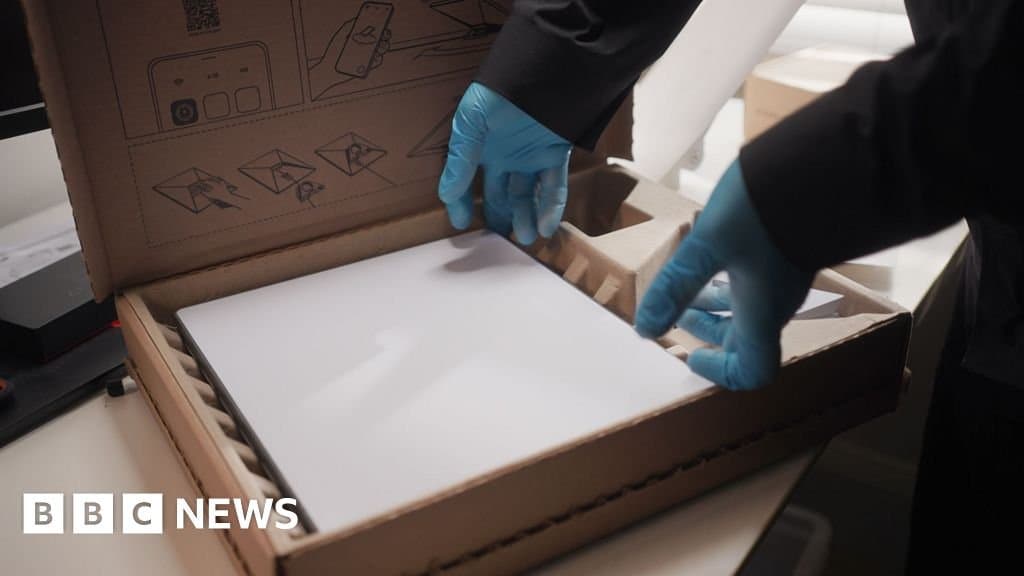
A clandestine network is smuggling SpaceX's Starlink satellite internet terminals into Iran, bypassing one of the world's longest-running internet blackouts. The operation highlights how satellite technology is becoming a critical tool for maintaining internet access in regions with heavy government censorship.
Iran has been experiencing one of the longest-running national internet shutdowns ever recorded, lasting over two months following US and Israeli airstrikes in late February. During this extended blackout, a clandestine network has emerged to smuggle Starlink satellite internet terminals into the country, providing a vital lifeline for Iranians seeking to bypass government restrictions on internet access.
The Starlink terminals, developed by Elon Musk's SpaceX, function by connecting users directly to a network of satellites in low Earth orbit, completely bypassing Iran's heavily controlled domestic internet infrastructure. Each terminal, paired with a router, can provide internet access for multiple users simultaneously, making it an attractive solution for those seeking uncensored connectivity.
"If even one extra person is able to access the internet, I think it's successful and it's worth it," says Sahand, an Iranian man who spoke to the BBC outside Iran about his involvement in the smuggling operation. Sahand and others in his network purchase the terminals and smuggle them across borders in what he describes as a "very complex operation," despite the significant personal risk. He has sent approximately a dozen terminals to Iran since January and continues to seek new smuggling routes.
The Iranian government has made the use, purchase, or sale of Starlink devices illegal, with penalties ranging from up to two years in prison for simple possession to ten years for distributing or importing more than ten devices. Despite these legal risks, the market for Starlink terminals persists. A Persian-language Telegram channel called NasNet has reportedly sold approximately 5,000 terminals in the past two and a half years, while human rights organization Witness estimates at least 50,000 terminals exist in Iran, a number likely to have grown during the current blackout.
The smuggling operation is funded by Iranians abroad and other supporters, with participants carefully selecting recipients who will use the terminals to share information internationally. "People need internet to be able to share what's happening on the ground," Sahand explains. "We believe these terminals should be in the hands of those who really need it to make change."
Iran's internet restrictions represent a "tiered system" where all Iranians have access to a state-controlled domestic network for essential services like banking and state-run media. Before the blackouts, many Iranians used VPNs to circumvent restrictions on global platforms like Instagram, YouTube, and WhatsApp. During the current blackout, only select officials and state media journalists have unfettered access through "white sim cards," while ordinary Iranians remain largely cut off from the global internet.
The economic impact of the blackout is substantial, with Iranian officials acknowledging that each day of shutdown costs the economy at least 50 trillion rials (approximately $35 million). The government has recently launched an "Internet Pro" scheme to provide certain businesses with limited access to the global internet.
Digital rights groups warn that internet blackouts are becoming a "new norm," with Access Now documenting 313 such incidents across 52 countries in 2025, the highest number since tracking began in 2016. In Iran, the blackout has created an information vacuum that the state has exploited to control narratives about protests and human rights abuses.
The smuggling of Starlink terminals represents a technological countermeasure to government censorship, demonstrating how satellite internet can provide connectivity in regions with restricted digital access. However, the operation faces significant challenges, including increasing surveillance by Iranian authorities and the high cost of terminals relative to the economic crisis in Iran.
As the blackout continues, the smuggling network adapts, advising users to combine Starlink with VPNs to remain incognito. The operation highlights the ongoing cat-and-mouse game between governments seeking to control information and citizens finding innovative ways to maintain access to global communication networks.
For more information on Starlink technology, you can visit SpaceX's official Starlink page. Those interested in digital rights issues may find resources from Access Now valuable for understanding the global impact of internet shutdowns.
Comments
Please log in or register to join the discussion