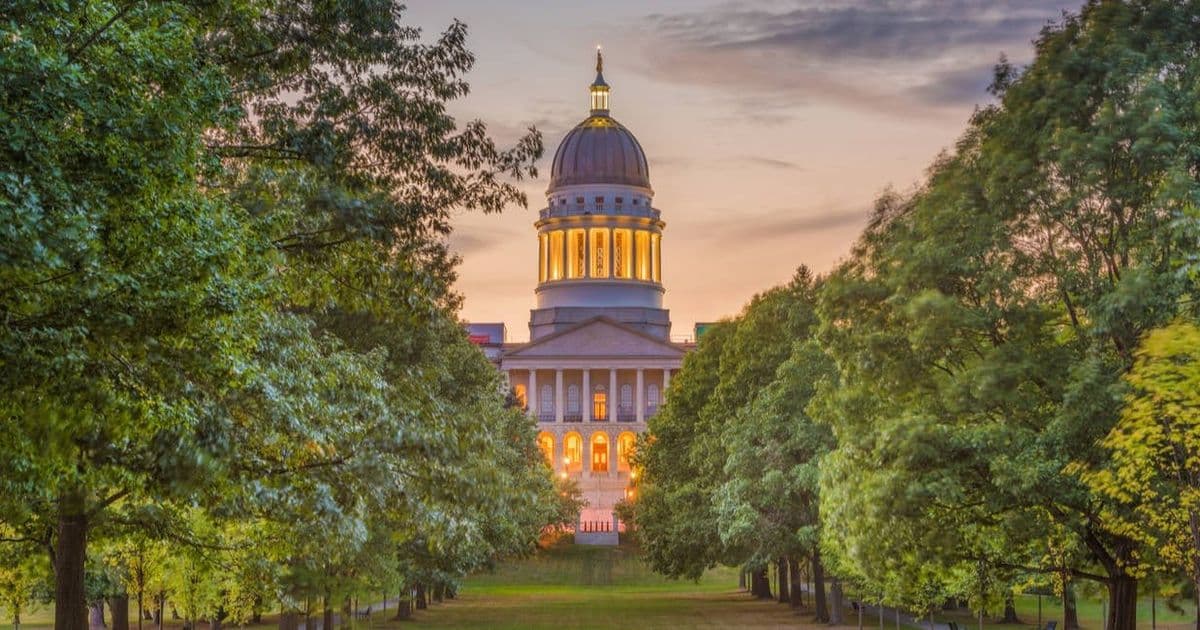
Maine lawmakers pass moratorium on datacenters over 20MW as communities nationwide push back against noise, power, and water impacts
Maine lawmakers have passed the first statewide moratorium on large datacenters in the US, pausing approvals for facilities over 20 megawatts until November 2027 as local opposition to "bit barns" spreads nationwide.
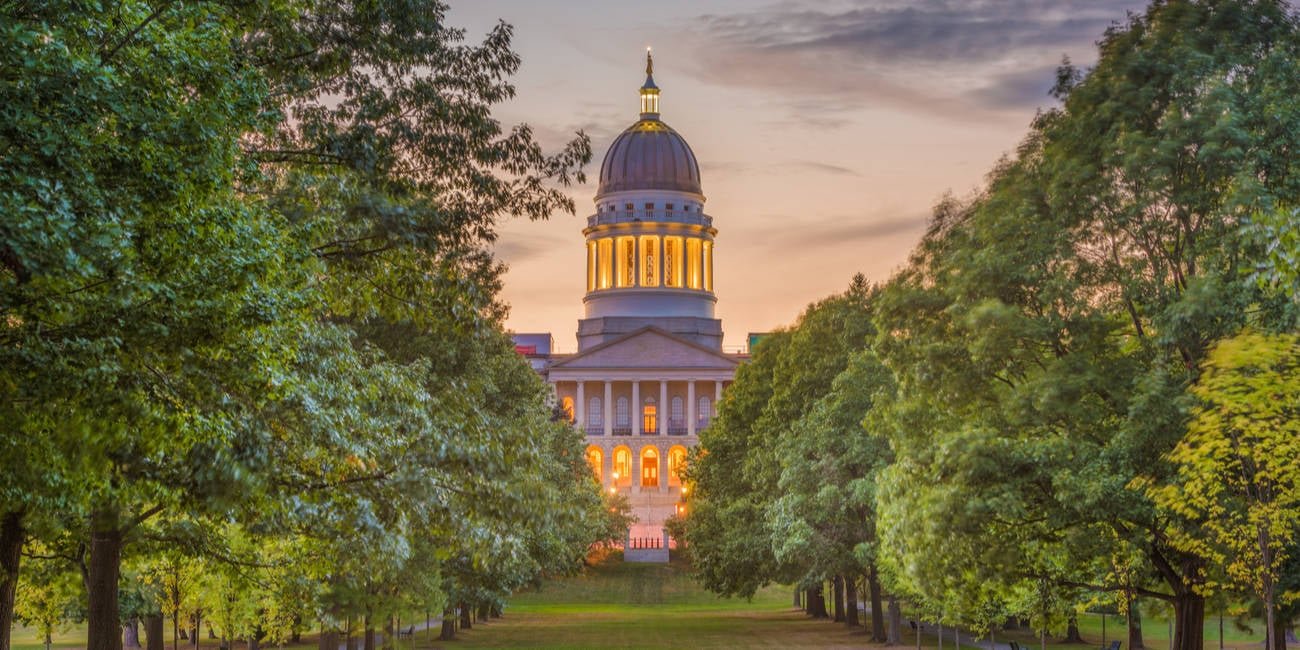
The legislation, which still requires Governor Janet Mills' signature, comes amid mounting concerns about datacenter impacts on utilities, ratepayers, and communities. State Representative Melanie Sachs explained the rationale: "We have seen in other states, the use cases when rapid development outpaces policy, enormous impacts on electric ratepayers, on light, noise and greenhouse gas emissions in those communities without significant community development of, say, economic activity."
AI boom fuels datacenter explosion
The moratorium reflects growing anxiety about the infrastructure demands of the AI boom. Modern datacenter campuses now routinely exceed gigawatt-scale capacity - Crusoe's facilities in Abilene, Texas are moving beyond 1GW, while Meta's Hyperion project in Louisiana is expected to surpass 5GW when complete.
This explosive growth is straining local utilities. Many regions are forced to bring new generation capacity online to meet datacenter demands, raising fears that ordinary ratepayers will ultimately foot the bill. The environmental impacts extend beyond electricity consumption to include noise pollution from on-site generators and substantial water usage for cooling.
Local governments take action
Maine's statewide pause follows a wave of local moratoriums across the country. In recent months, communities in Colorado, Wisconsin, Georgia, Iowa, and Missouri have enacted similar restrictions.
This week alone saw multiple developments:
- Oakley, California became the first Bay Area city to block new datacenter developments for 45 days while assessing impacts on energy and water resources
- Port Washington, Wisconsin voters passed a referendum requiring voter approval for large future development incentives, directly challenging Oracle and OpenAI's planned 1.3GW facility
- Festus, Missouri voters ousted half their city council after it approved a $6 billion datacenter project despite strong community opposition
The human cost of datacenter expansion
Residents aren't just concerned about abstract environmental impacts. Social media videos allegedly showing datacenter operations have fueled public anger, with neighbors complaining about constant noise and light pollution.
The backlash extends beyond US borders. In Essex, UK, plans to convert a former RAF base into a datacenter complex proceeded despite "strong opposition from local residents."
Industry response
Some tech giants are taking notice of the growing resistance. In October, Microsoft abandoned plans for a large datacenter in Caledonia, Wisconsin after residents pushed back. Microsoft President Brad Smith acknowledged the importance of community relations: "You have to win over the local community and sustain their trust if you are going to build."
However, not all companies are deterred. Orbital datacenter startup CEOs admit launch economics don't work but are pressing ahead regardless, while Oracle continues with massive fuel cell deployments to power its expansion.
The datacenter moratorium movement represents a significant shift in how communities view these facilities - once seen as economic development opportunities, they're increasingly viewed as unwanted industrial neighbors with disproportionate environmental and infrastructure impacts.
Comments
Please log in or register to join the discussion