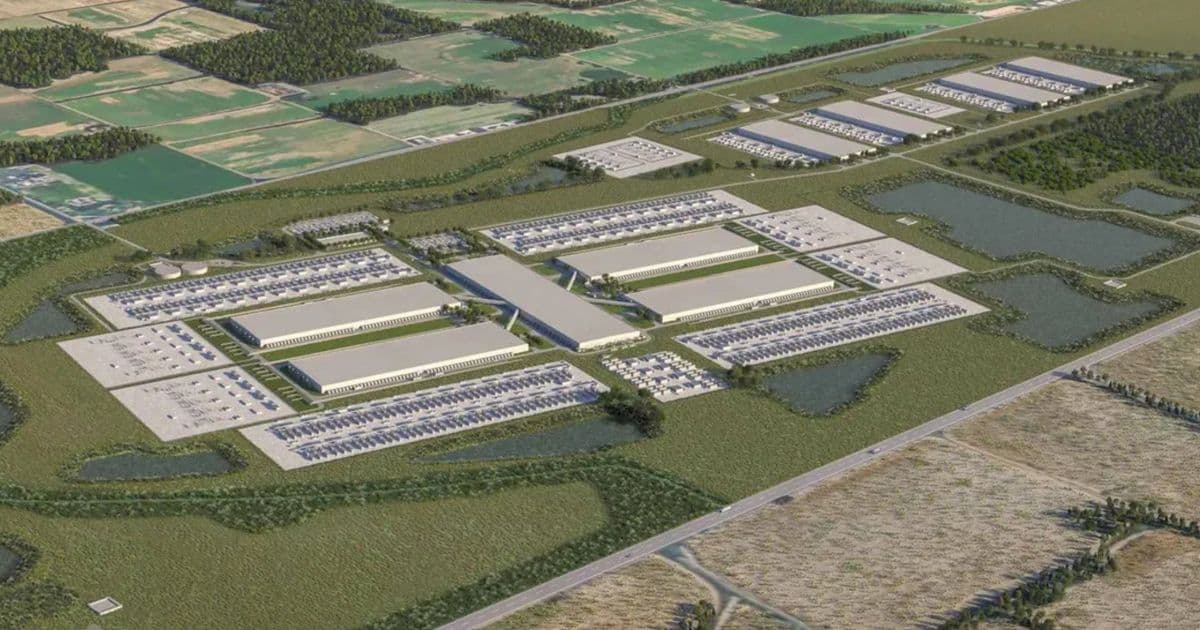
More than a dozen shareholders are pressuring Amazon, Microsoft, and Google to disclose detailed water and energy consumption data at their U.S. data centers amid concerns about environmental impact and community opposition to new projects.
More than a dozen investors are pressuring Amazon, Microsoft, and Alphabet's Google to provide detailed data on water and energy consumption at their U.S. data centers, Reuters reported today. The pressure comes as all three companies have recently scrapped multibillion-dollar data center projects following community opposition, and as North American data centers consumed nearly 1 trillion liters of water in 2025, according to market research firm Mordor Intelligence.
The Growing Environmental Concerns
Trillium Asset Management, a Boston-based firm that invests partly based on a company's environmental standards, filed a resolution with Alphabet in December seeking to understand how the company planned to meet climate goals it set in 2020, Andrea Ranger, director of shareholder advocacy at Trillium, told Reuters. Alphabet pledged six years ago to halve its emissions and shift to carbon-free energy sources by 2030, but Trillium said emissions instead rose 51%.
Water usage is still a key concern for AI data centers. Some estimates say that generating just 100 words with OpenAI's GPT-4 consumes three bottles of water. Last year, another study suggested that AI data centers use more water annually than people drink bottled water, globally.
The Data Center Water Consumption Reality
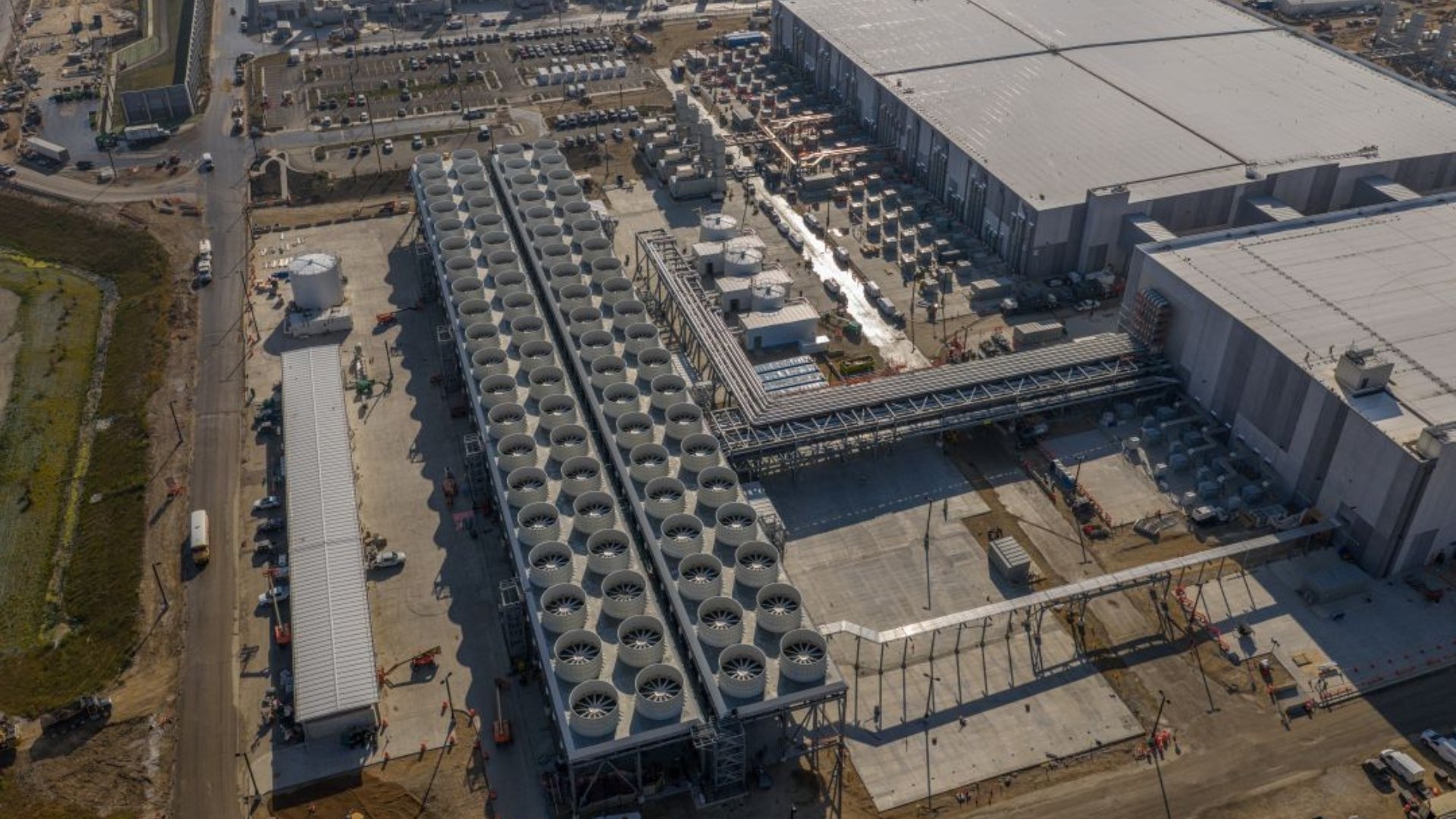
All four major hyperscalers have adopted closed-loop cooling systems that use substantially less water than traditional evaporative methods, but the level of disclosure varies. Data center water consumption involves more than closed-loop cooling, as well. The majority of water a data center consumes is indirect; i.e. for generating the electricity the data center will use. A 2024 study found that data centers (in general, not specifically AI data centers) consumed about 800 billion liters of water indirectly. Another 2025 study found the vast majority of water consumption happens offsite an AI data center.
Investors want site-level data to assess operational risks more accurately. "We haven't seen them disclosing enough about their water consumption (and the) impact on the local community," Jason Qi, lead technology analyst at Calvert Research and Management, told Reuters.
Company Responses
Josh Weissman, director of infrastructure capacity delivery at Amazon, told Reuters the company is "increasingly disclosing site-specific water consumption data where we operate." An Amazon spokesperson added that the company was committed to being a "good neighbor" and was investing in efficiency and water reduction efforts.
A Microsoft spokesperson said environmental sustainability was "a core value." Google declined to comment, and Meta did not respond to Reuters' request.
The Broader Context
The backdrop of this is the alarming rate of AI data center expansion. Last week, Bloomberg reported that nearly half of planned U.S. data center builds for 2026 have been delayed or canceled, largely due to infrastructure demands. Although there's a clear call from some investors for sustainability, there's also a question of practicality when new projects are being funded so quickly.
The capital expenditure of companies like Microsoft, Amazon, and Meta has shot up amid the AI boom, even if some projects will never actually be completed.
The Technical Challenge
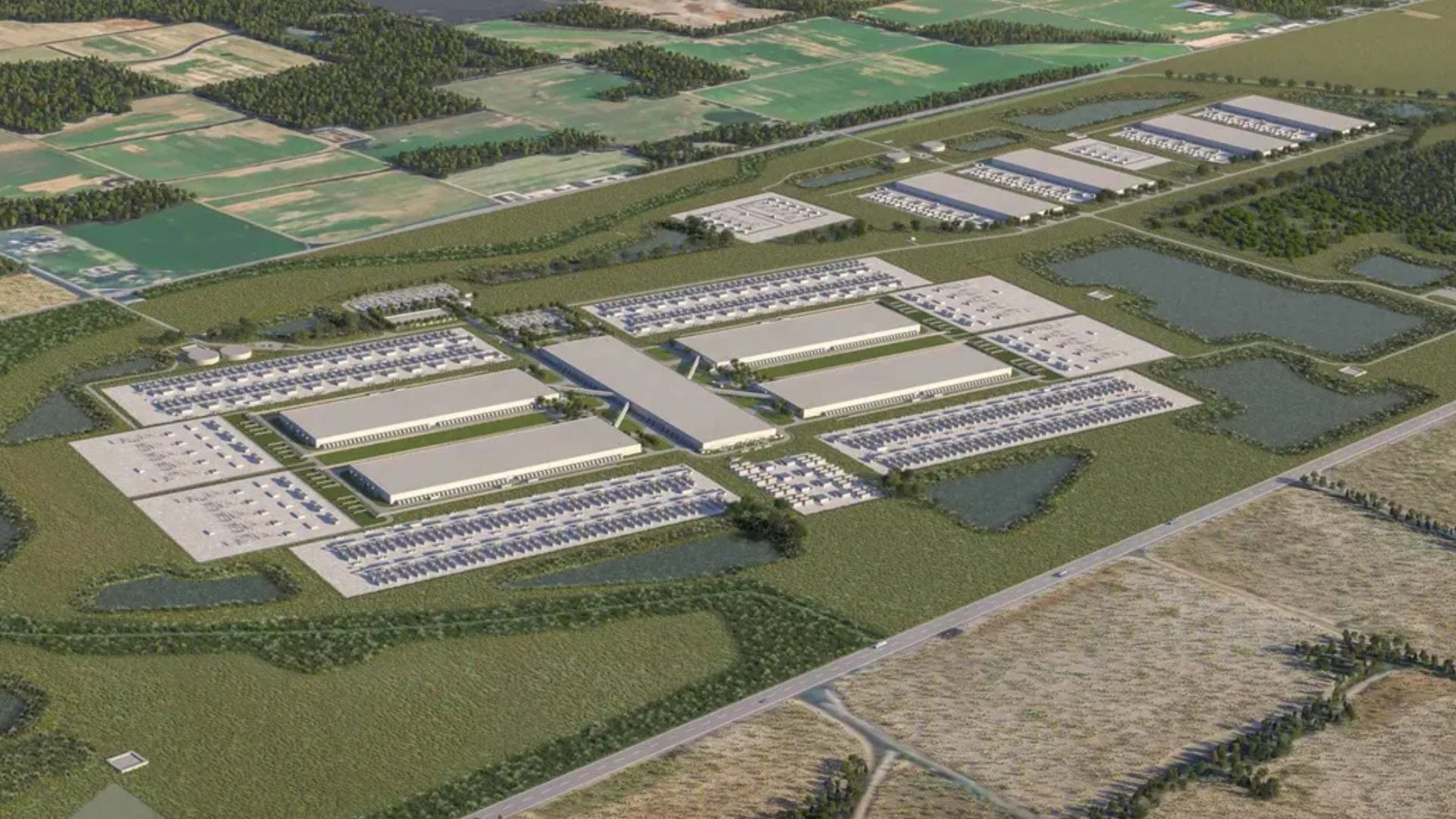
While hyperscalers have made progress with closed-loop cooling systems, the fundamental challenge remains: AI workloads require massive computational power, which translates to substantial energy and cooling requirements. The indirect water consumption from electricity generation often exceeds direct cooling needs, making it difficult for companies to reduce their overall water footprint without addressing their energy sources.
Market Implications
This investor pressure comes at a critical time when data center construction is facing both environmental scrutiny and practical limitations. The cancellation of major projects due to community opposition suggests that transparency about resource consumption could become a competitive advantage for companies that can demonstrate responsible environmental stewardship.
The demand for site-specific data also reflects a maturing understanding among investors that data center sustainability cannot be addressed at a corporate level alone. Local water stress, energy grid capacity, and community impact vary significantly by location, making granular data essential for proper risk assessment.
As AI continues to drive unprecedented demand for computational resources, the tension between technological advancement and environmental responsibility is likely to intensify. Companies that can provide clear, detailed data about their resource consumption while demonstrating concrete steps to reduce their environmental impact may find themselves better positioned to secure both investor support and community approval for future projects.
Comments
Please log in or register to join the discussion