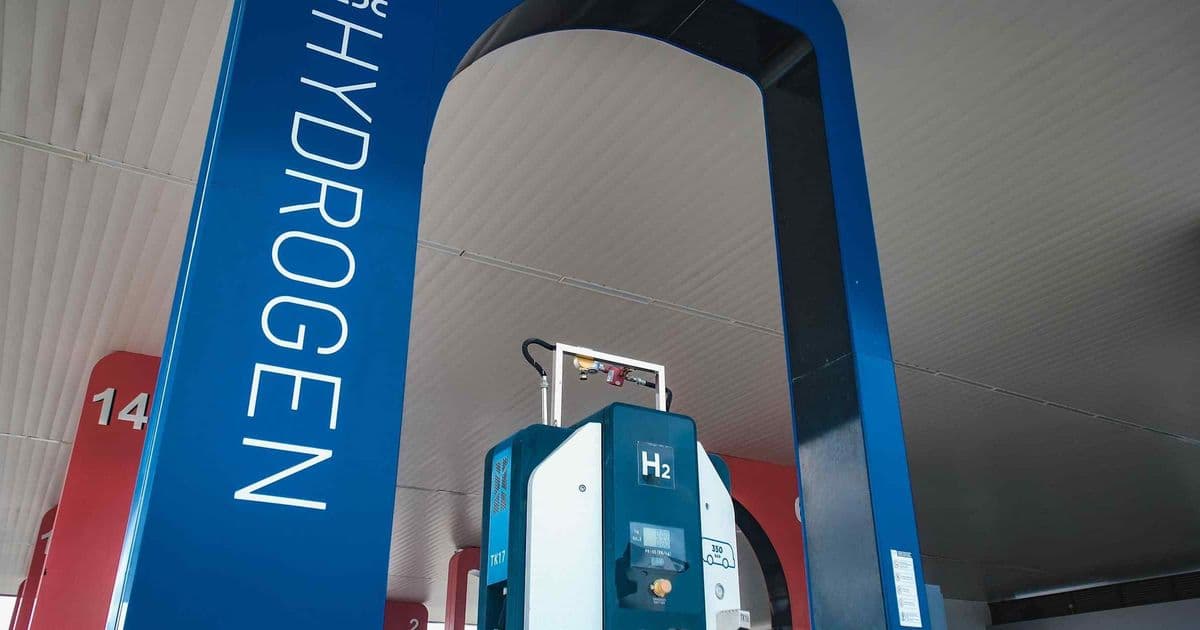
A joint venture between Malaysia’s SEDC Energy and Japanese investors has trimmed its Sarawak hydrogen plant from a 90,000‑ton annual target to a smaller, undefined output after failing to secure sufficient financing, raising questions about the region’s export‑oriented clean‑fuel ambitions.
Business news
A hydrogen production facility being built by SEDC Energy in Sarawak, Malaysia, has announced a significant reduction in its planned output. The original blueprint called for 90,000 metric tons of green hydrogen per year, enough to supply export markets in Japan and other Asian economies. Funding shortfalls, however, have forced the consortium to scale the project back to a level that is no longer viable for large‑scale export.
The partnership, which includes Japanese investors from the energy sector, was positioned as a flagship example of cross‑border clean‑energy cooperation. The revised plan now targets a modest output that will primarily serve domestic industrial users, postponing the export component indefinitely.
Market context
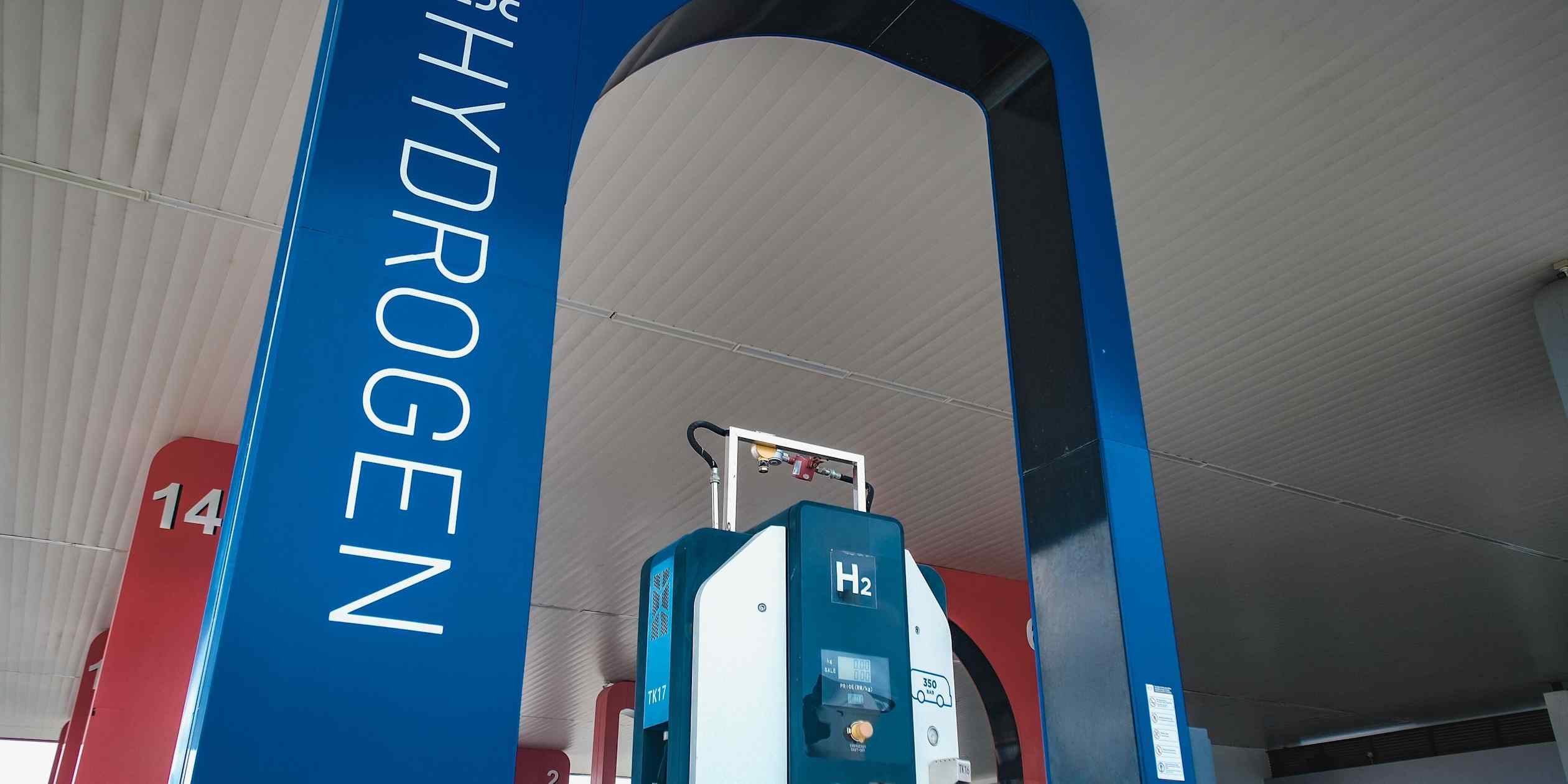
Hydrogen is being promoted across Southeast Asia as a bridge fuel for decarbonisation, especially for heavy industry and shipping. The International Energy Agency estimates global demand for green hydrogen could reach 530 million tons by 2050, with Asia accounting for roughly a third of that volume. Malaysia’s Sarawak region has attracted attention because of its abundant hydropower potential, which can supply low‑cost electricity for electro‑lysis.
Nevertheless, the sector remains capital‑intensive. A typical 100 MW electrolyser plant costs between $800 million and $1 billion, and investors often require long‑term off‑take contracts to justify the spend. In 2024, the average cost of capital for green‑energy projects in emerging markets rose to 7.5 % due to tighter global liquidity, making it harder for developers to lock in financing.
Japan, meanwhile, has pledged to import up to 10 million tons of hydrogen annually by 2030, sourcing it from countries with cheap renewable power. The shortfall in the Malaysia‑Japan project reduces the pool of reliable supply, potentially pushing Japanese firms to look to Australia, Saudi Arabia, or domestic production.
What it means
- Investor confidence: The funding gap signals lingering risk aversion among Japanese capital groups toward large‑scale hydrogen projects in the region. Future deals may require stronger guarantees, such as government‑backed loan guarantees or price‑floor contracts.
- Policy implications: Malaysia’s Energy Ministry may need to revisit its incentive framework. Enhancing tax credits for electrolyser equipment or offering concessional loans could restore momentum.
- Supply chain impact: Local manufacturers of electrolyser components, steel, and high‑purity water treatment systems will see delayed orders, affecting employment and technology transfer goals.
- Export strategy: Japan’s hydrogen import roadmap will have to accommodate a lower contribution from Malaysia, accelerating diversification into other source countries.
- Regional competition: Neighboring nations such as Thailand and Indonesia are scaling up their own hydrogen pilots. A setback in Sarawak could shift regional leadership toward those markets if they can secure financing more readily.
Overall, the scaling back underscores that while policy ambition for green hydrogen is high, the financial underpinnings must keep pace. Without robust funding mechanisms, even technically sound projects may falter, slowing the transition to a low‑carbon energy mix in Southeast Asia.
Comments
Please log in or register to join the discussion